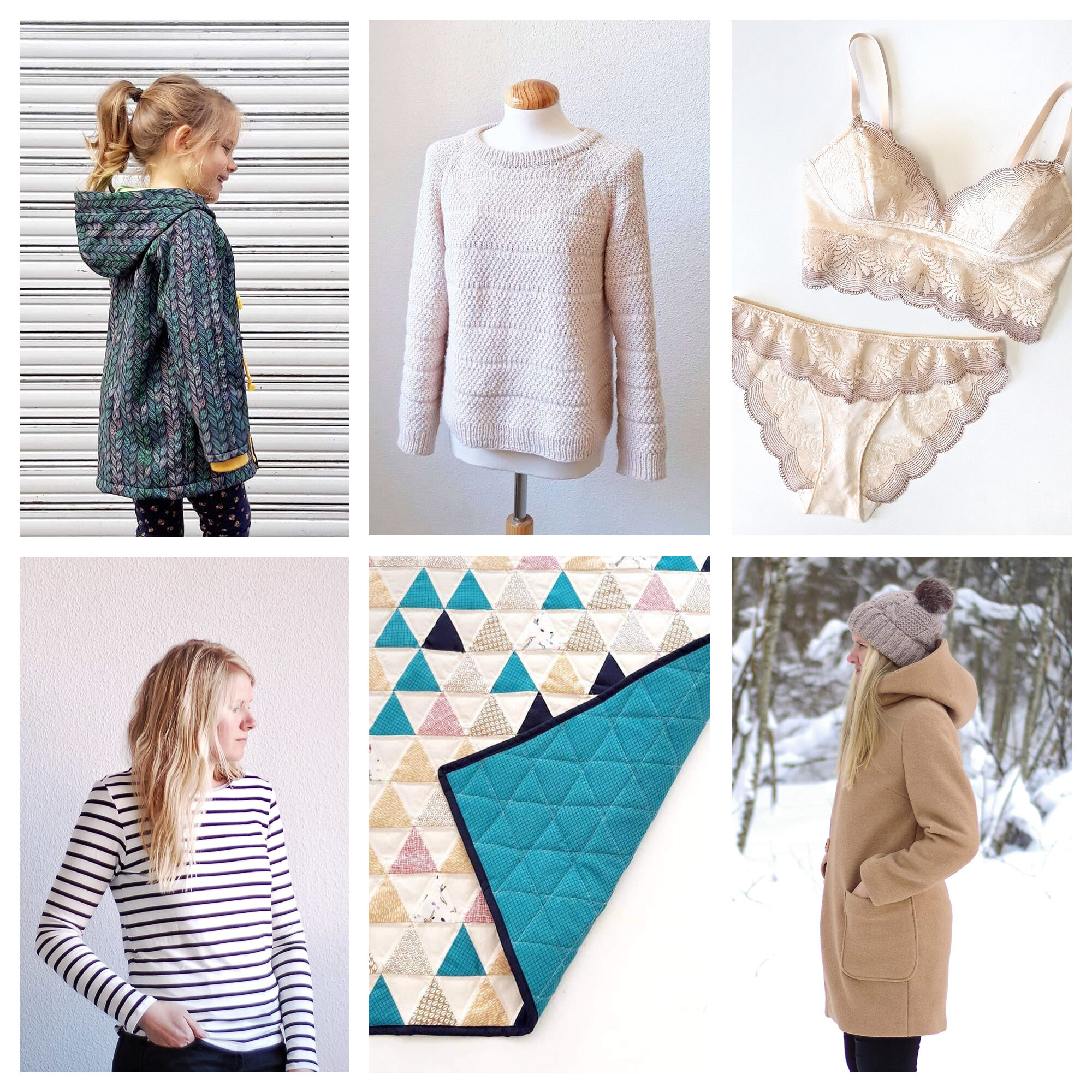
2019 en costuras // 2019 in sewing

 
2019.jpg

Hoy, en el último día de 2019 quería hacer una recopilación de mi año costuril y poner aquí los proyectos que he cosido durante el año. Como de costumbre lo he dejado para el último momento así que no voy poder escribir mucho sobre los proyectos sino termino el año detrás del ordenador. Y si me conocéis este no va a ser el sitio donde quiero estar esta noche….mucho mejor si puede ser en el sofá haciendo punto, jaja. Así que vamos con los proyectos:

Today, on the last day of 2019 I’d like to recap here all my sewing this year. As always I’ve left it for the last minute so I’ll just name the patterns and get over with it, haha, otherways I’ll be here in front of the computer until the end of the year. And if you know me you should know that this is NOT a place I’d like to be tonight…instead I want to be on the sofa knitting, haha. So let’s go with the projects:

Para mí // for me
IMG_20190218_165849_991.jpg

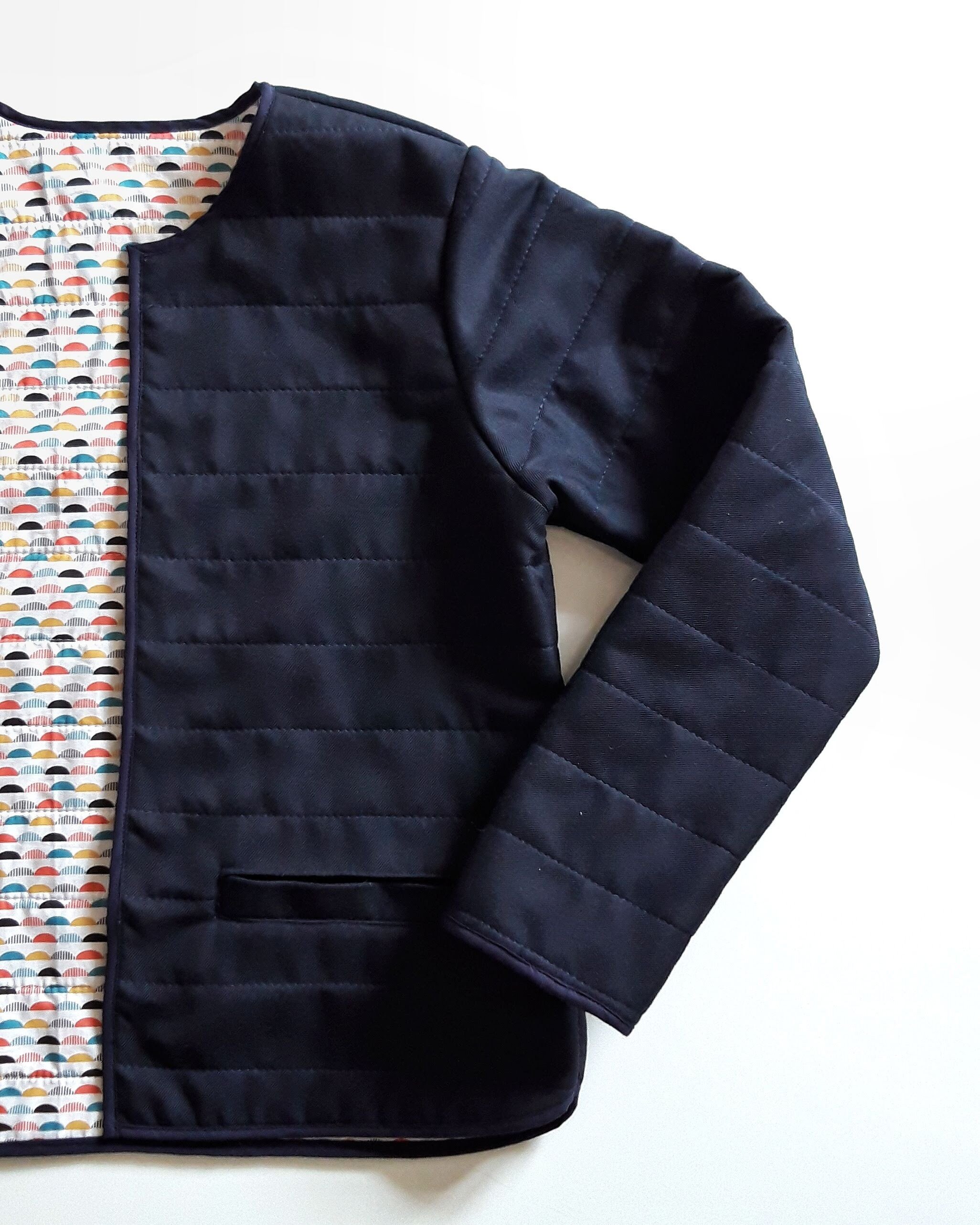
Tamarack jacket, pattern by Grainline Studio

DSC_0282.jpg

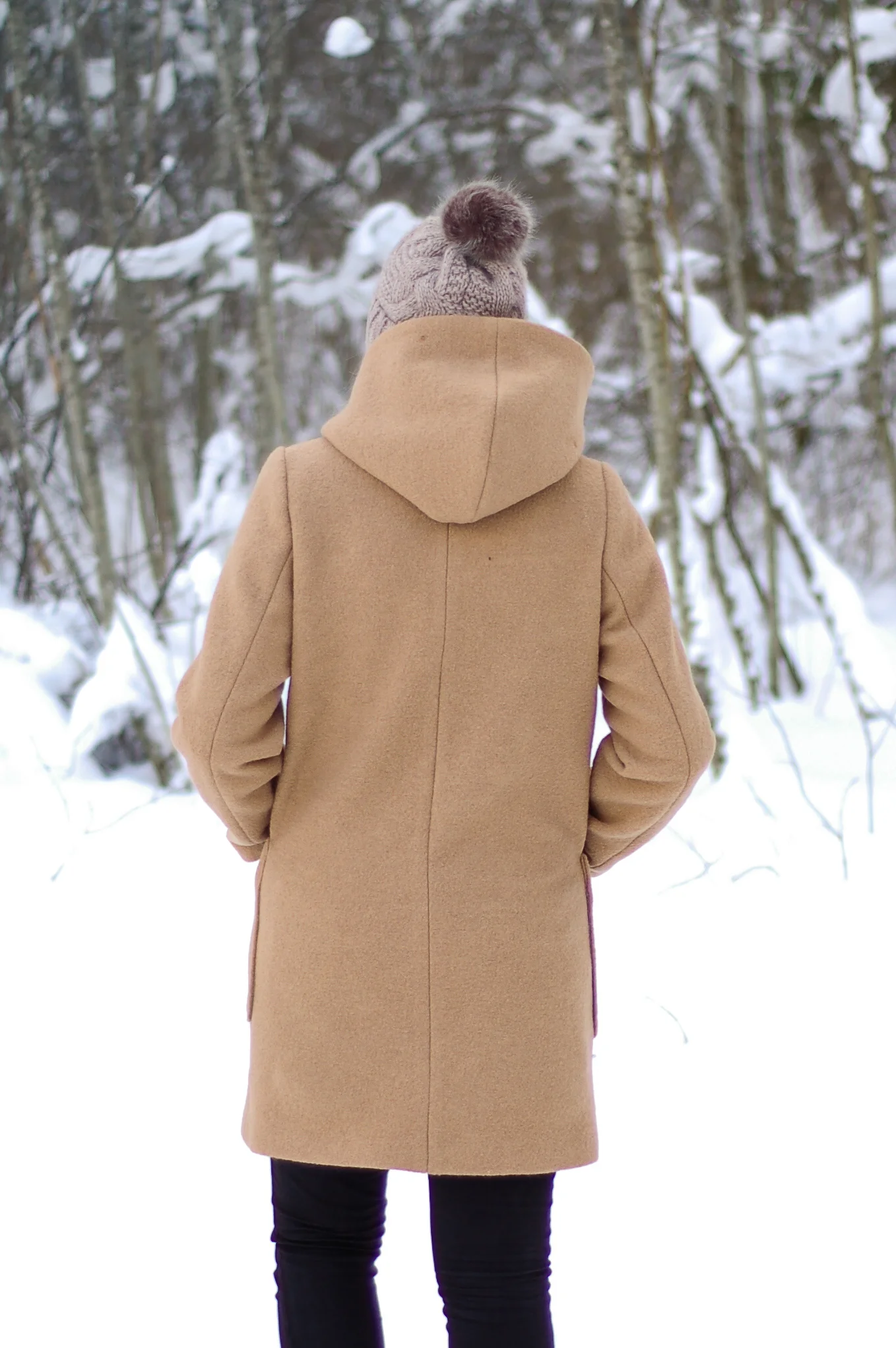
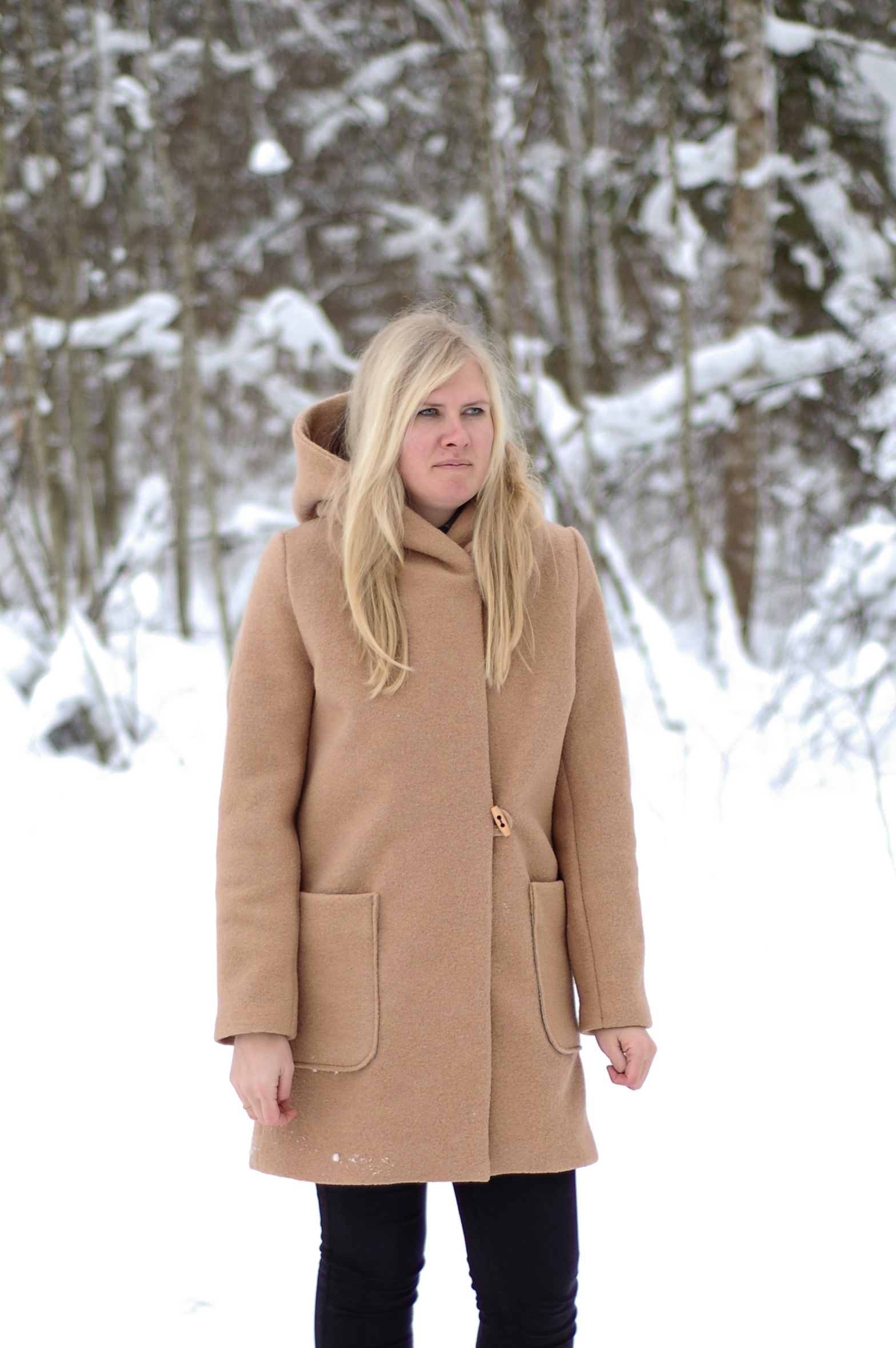
Burda Style coat in boiled wool, blogged here.

IMG_20190212_204134_794.jpg

Viscose button up shirt, pattern from Ottobre Design.
IMG_20190317_193839_872.jpg

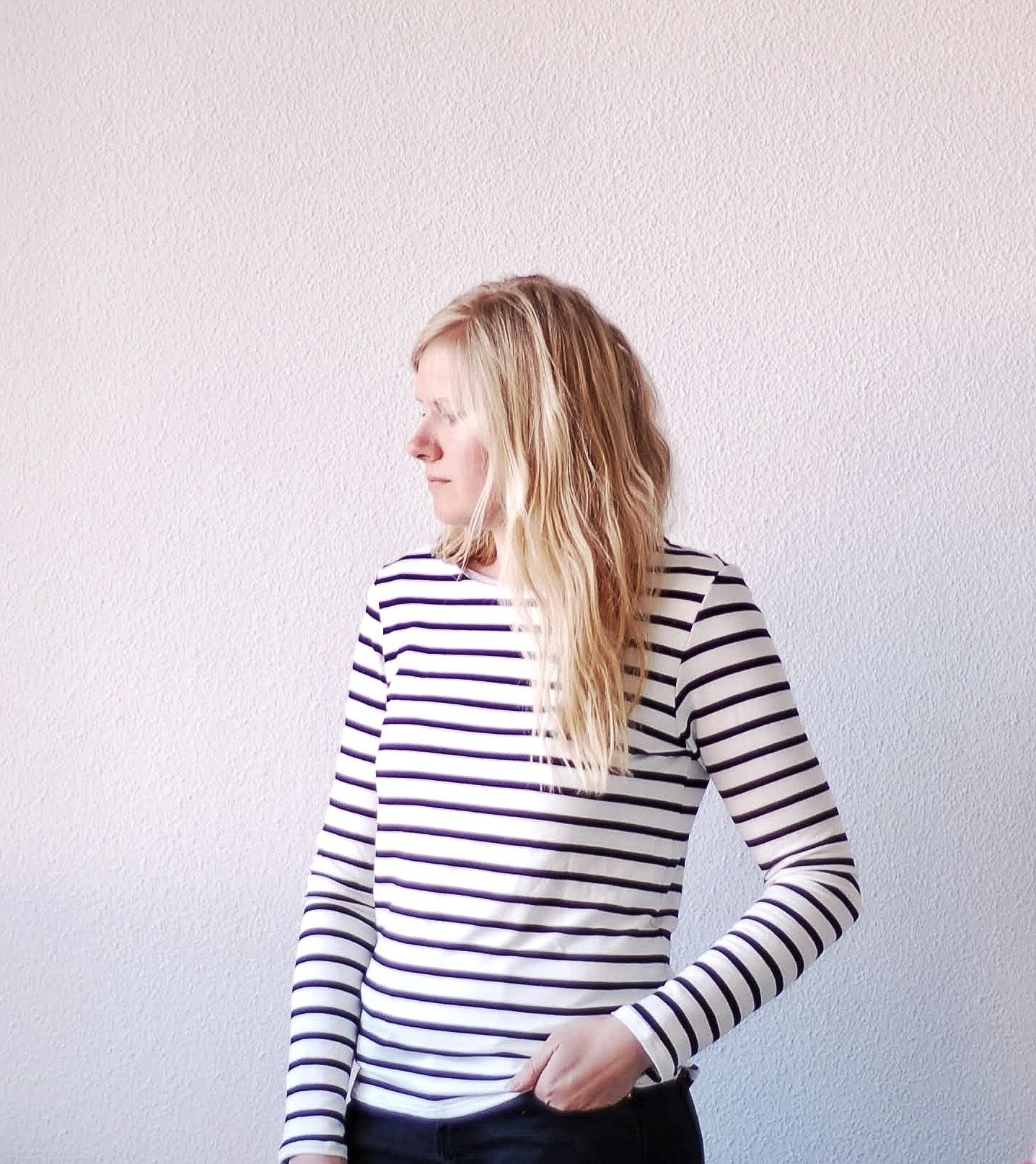
Viscose French terry knit t-shirt, pattern from Ottobre Design.

IMG_20190430_164736_635.jpg

Odgen cami, pattern by True Bias.

IMG_20190411_194742_849.jpg

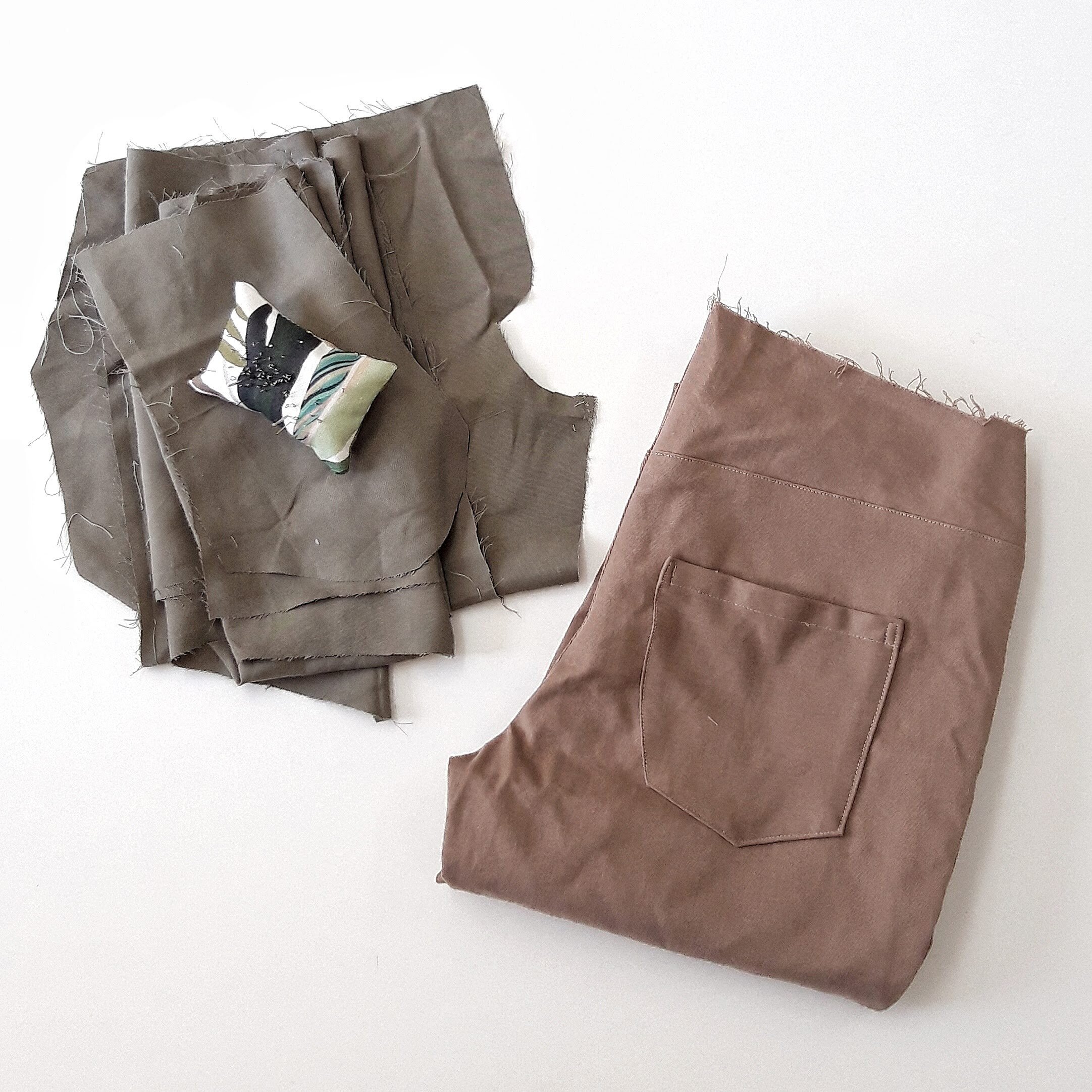
Tencel chino pants, pattern from Ottobre Design, cotton twill pants, pattern Ginger Jeans by Closet Case Patterns.
20190612_161138-01-01.jpeg

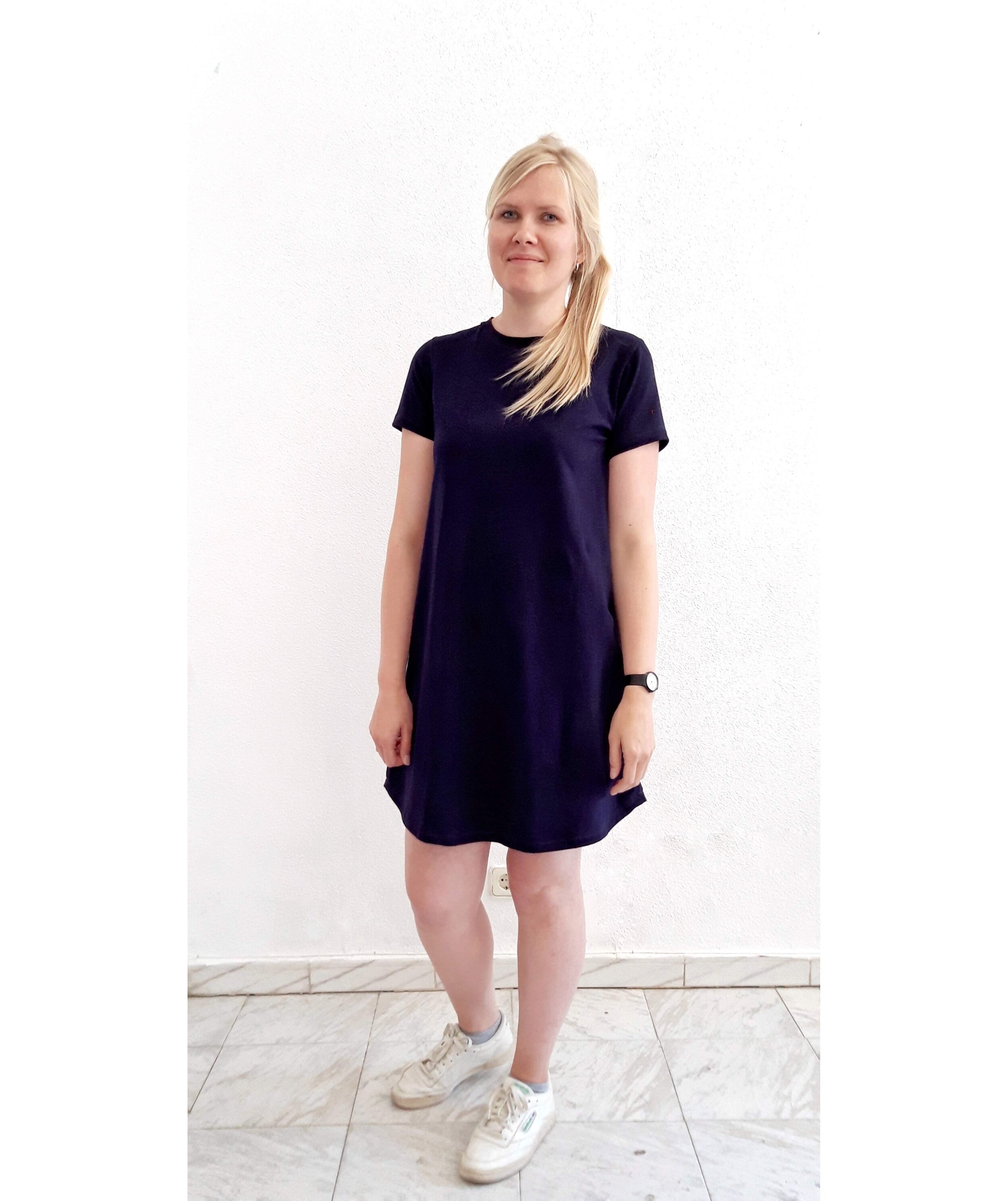
Cotton knit dress, pattern by Le Maison Victor, blogged here.
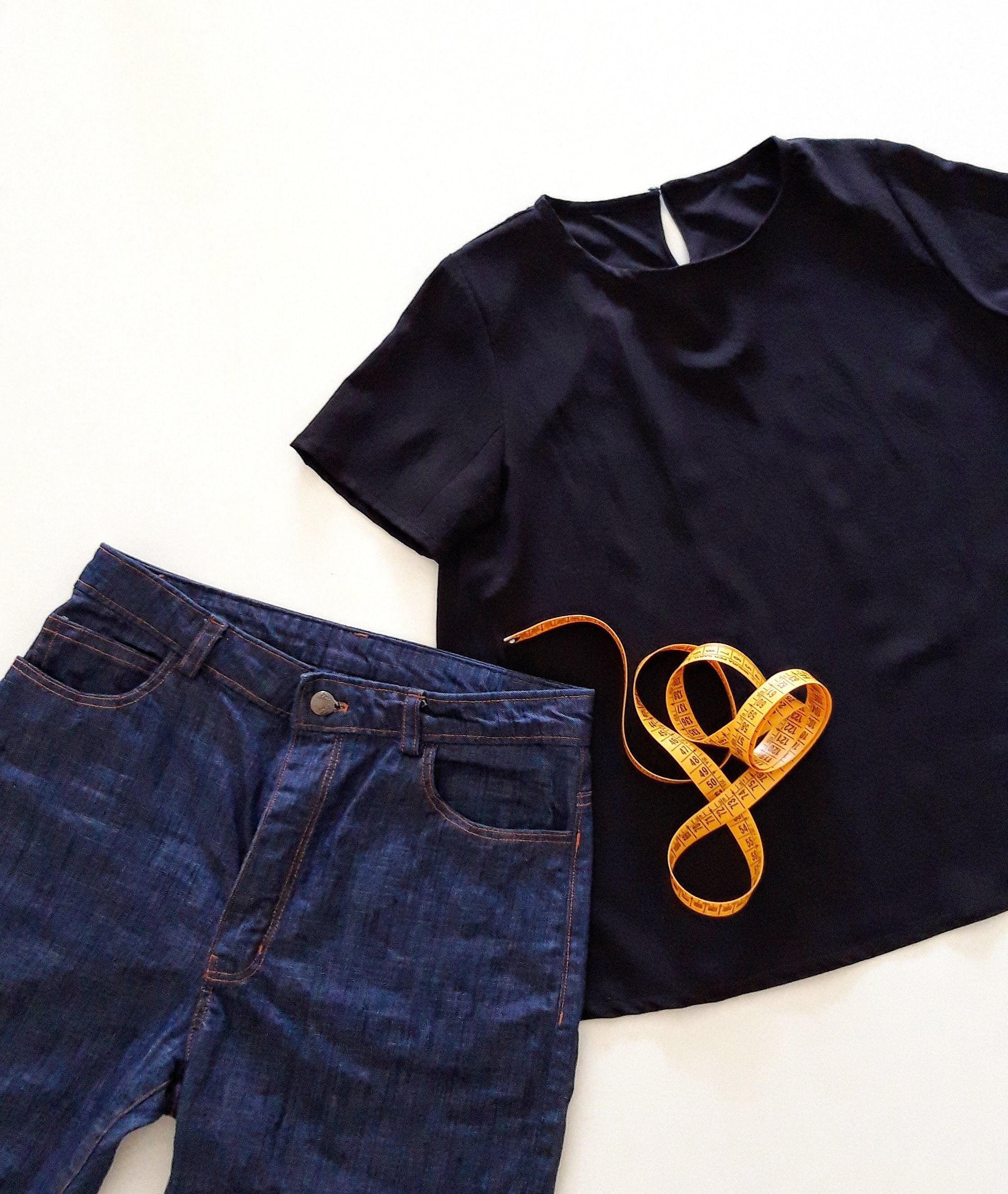
IMG_20190617_161318_173.jpg

Dawn jeans by Megan Nielsen Patterns and viscose blouse by La Maison Victor, blogged here.

IMG_20190708_181915_336.jpg

Ogden cami dress, pattern by True Bias (there’s another one, basically lived the whole summe rin these two!).

DSCF7479-01.jpeg

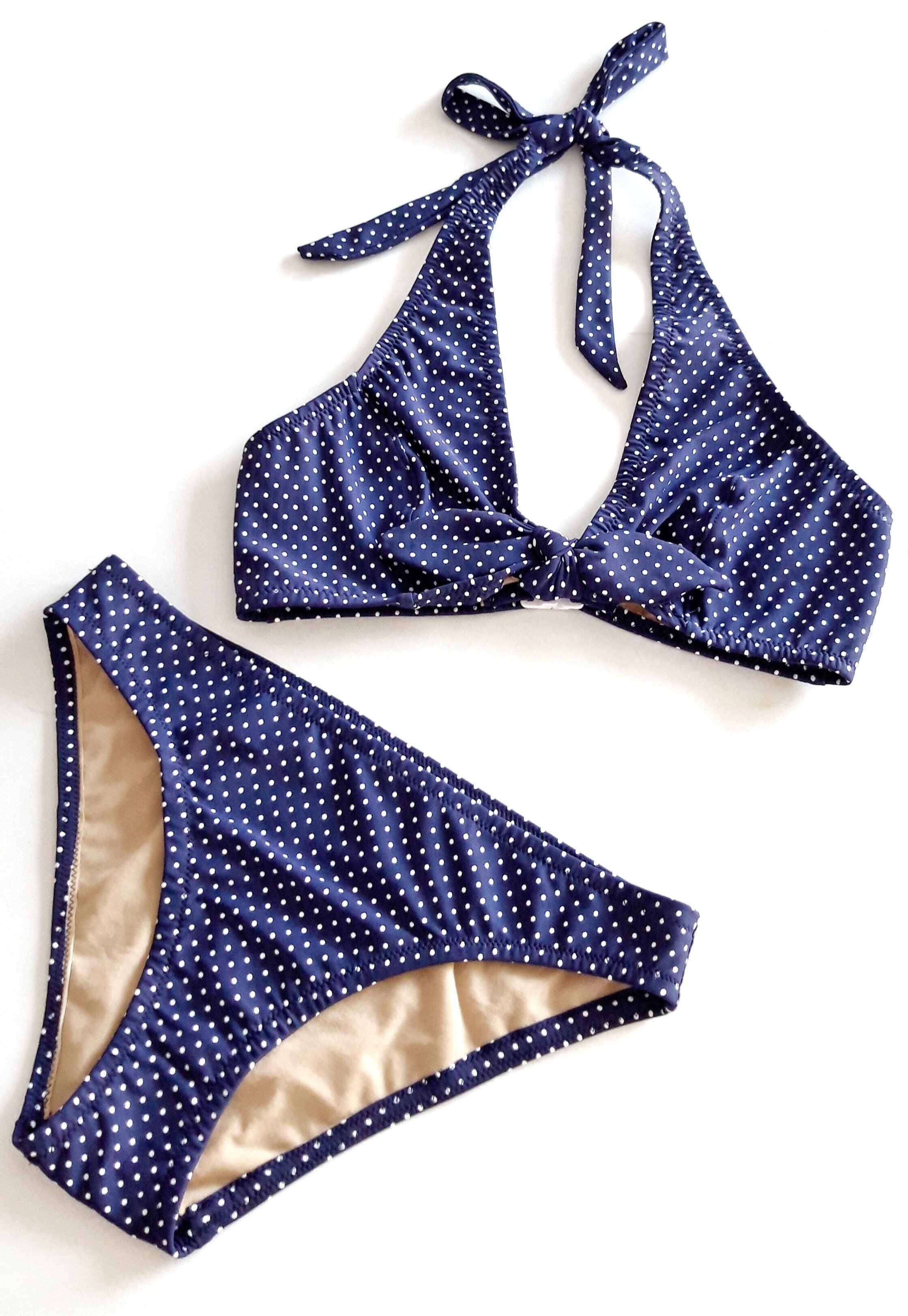
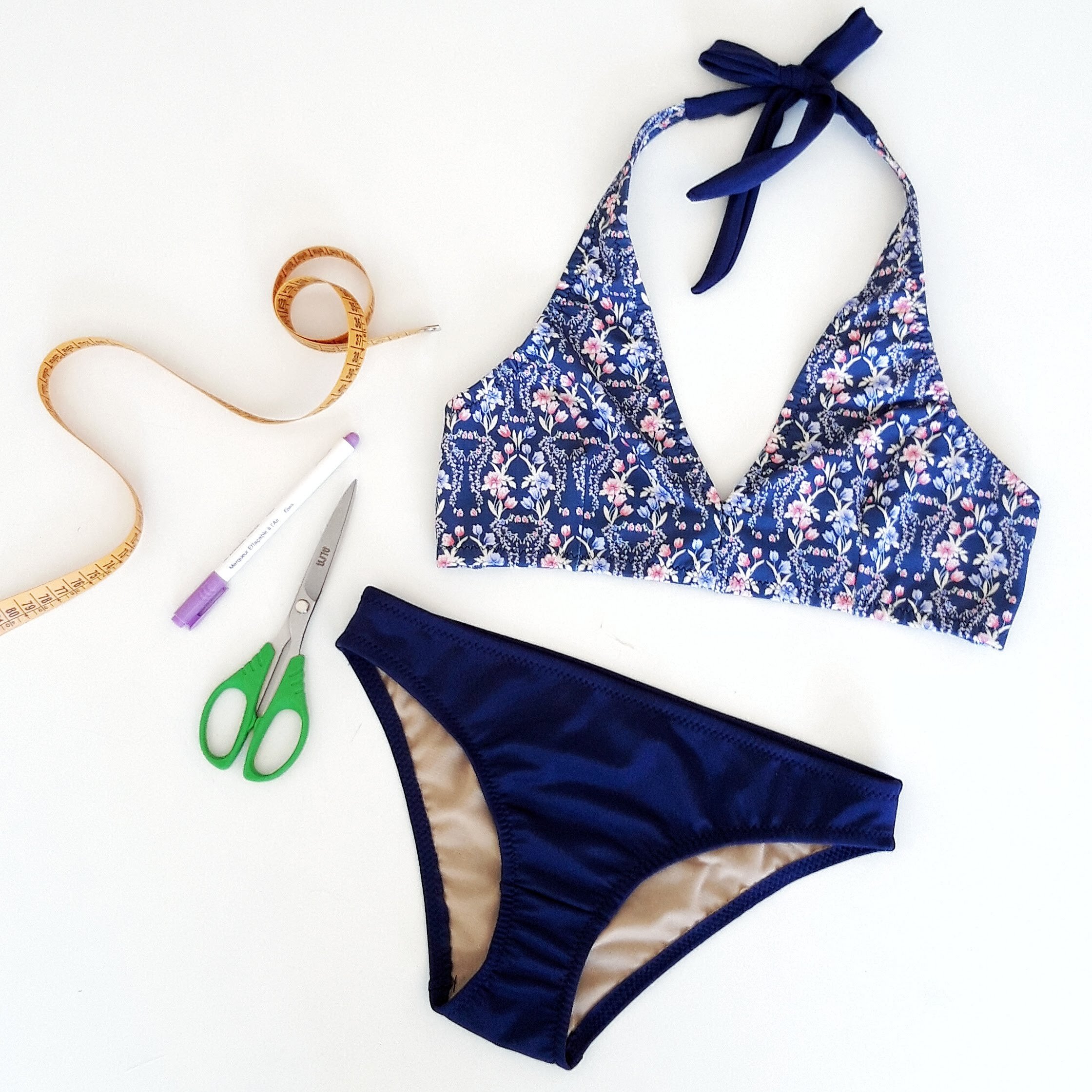
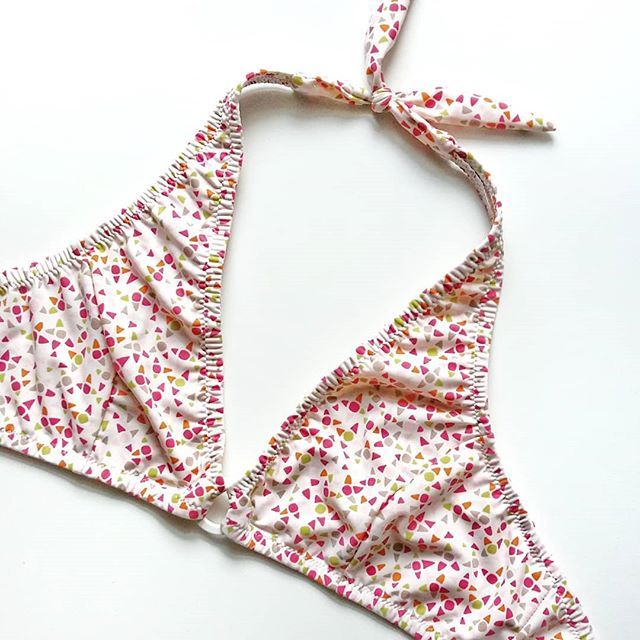
Cottesloe swimsuit by Megan Nielsen Patterns.
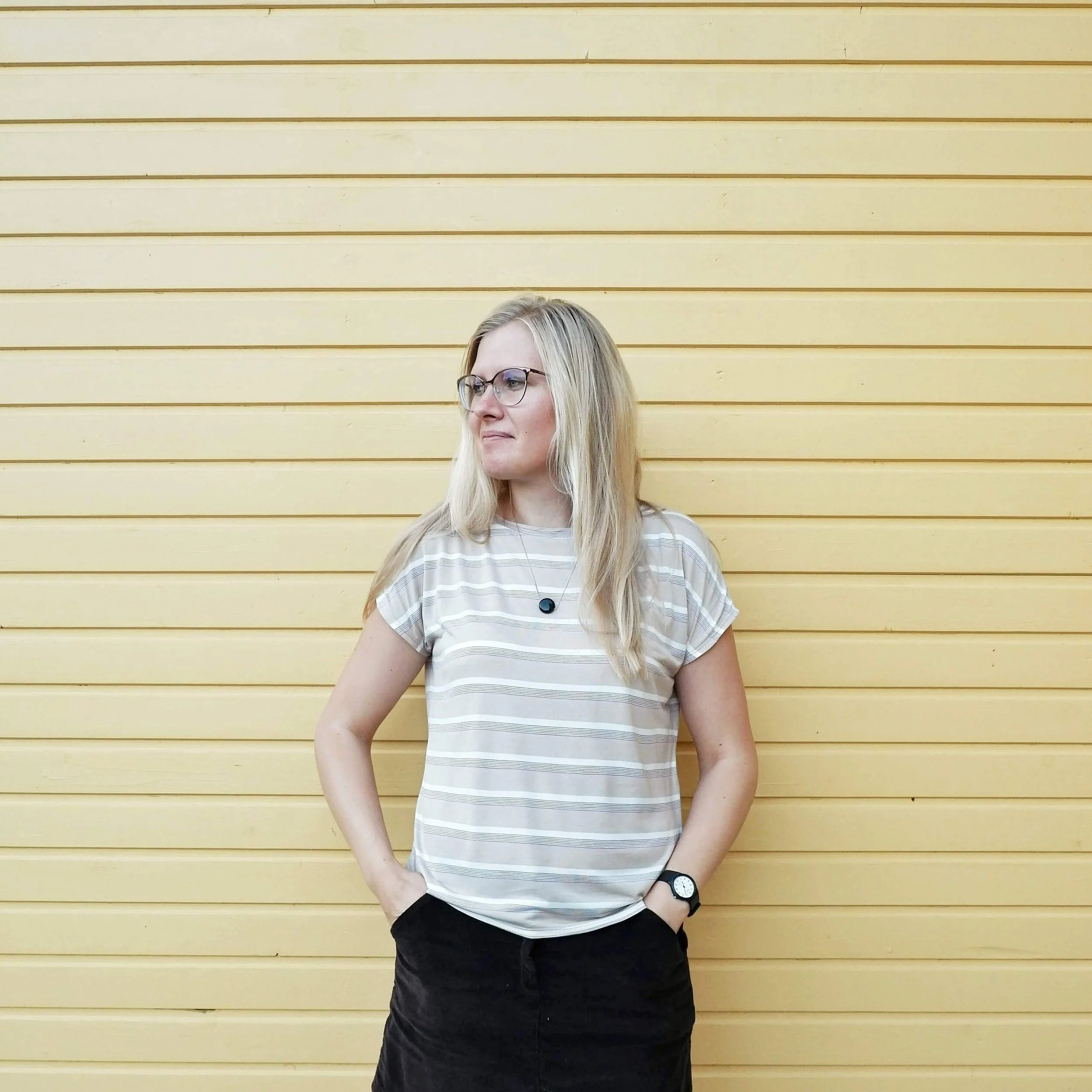
www.studiocostura.com

Viscose knit t-shirt, pattern from Ottobre Design.
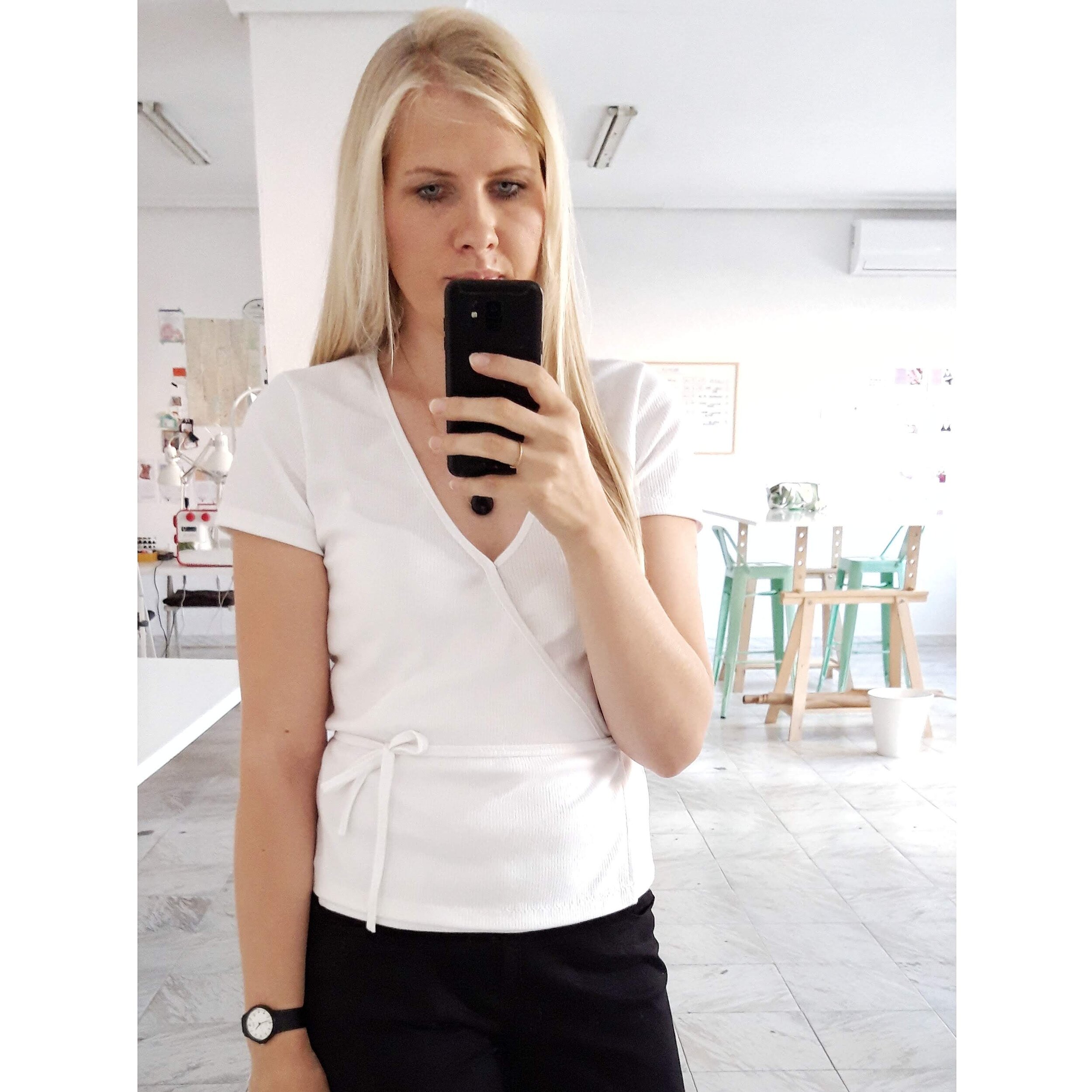
www.studiocostura.com

Self drafted rib knit wrap top.

IMG_20190909_194117_555.jpg

Softshell Serra jacket, pattern by Pauline Alice Patterns, blogged here.

www.studiocostura.com

Viscose knit dress, self drafted.

IMG_20190928_175851_711.jpg

Linen Claudia dress, pattern by Tessuti Fabrics.

www.studiocostura.com

(Still needs buttons) self drafted work jacket in cotton canvas.

www.studiocostura.com

Boiled wool Berlin jacket, pattern by Tessuti Fabrics (I did take this one apart later on and I’m almost done putting the lining in for it).

www.studiocostura.com

Indigo dress in viscose twill, pattern by Tilly and the Buttons.

Para Lia // for lia
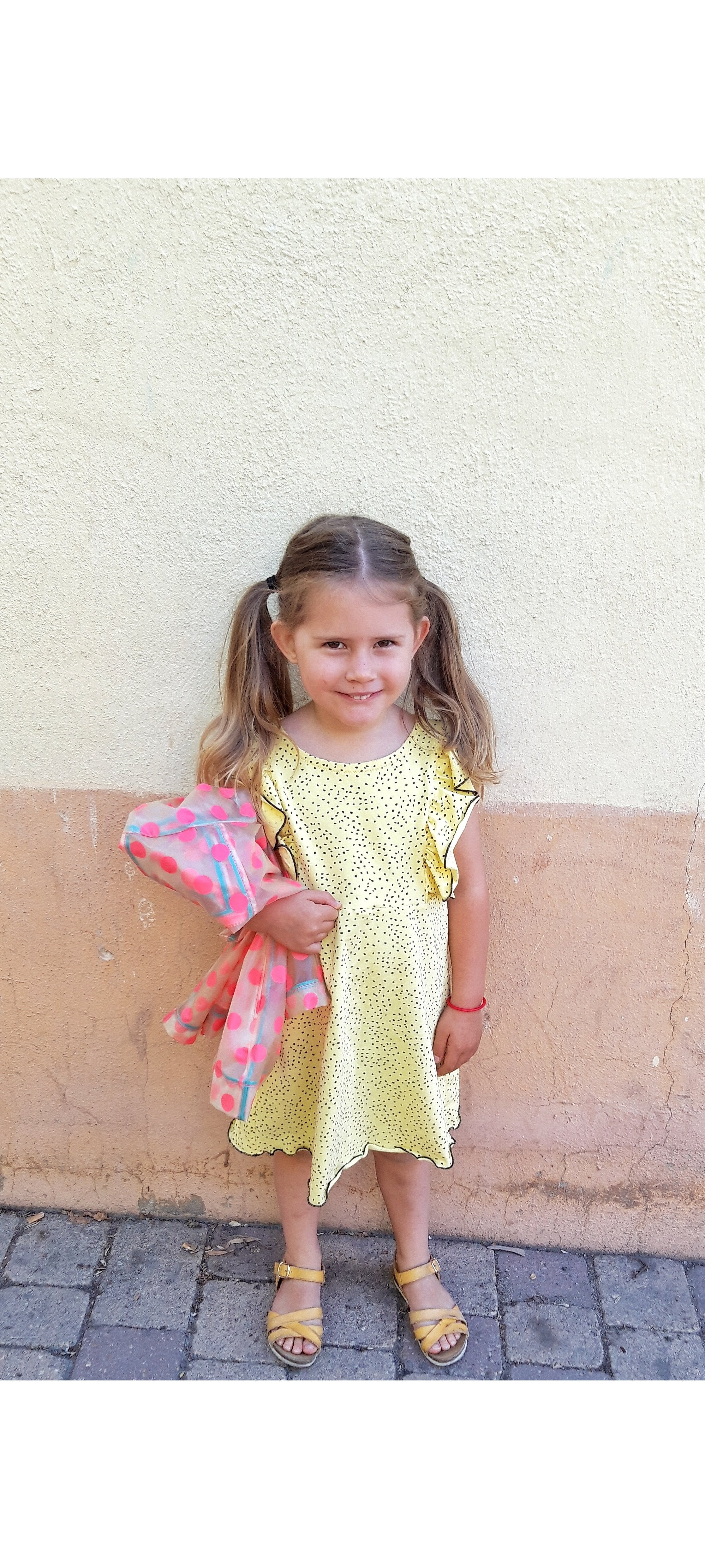
www.studiocostura.com

All patterns from Ottobre Design (and there are matching PJ pants for me too with the same fabric).

www.studiocostura.com

Cutom printed fabric + waterproof lining, self drafted snack bags.

www.studiocostura.com

A gym bag for judo, self drafted.

www.studiocostura.com

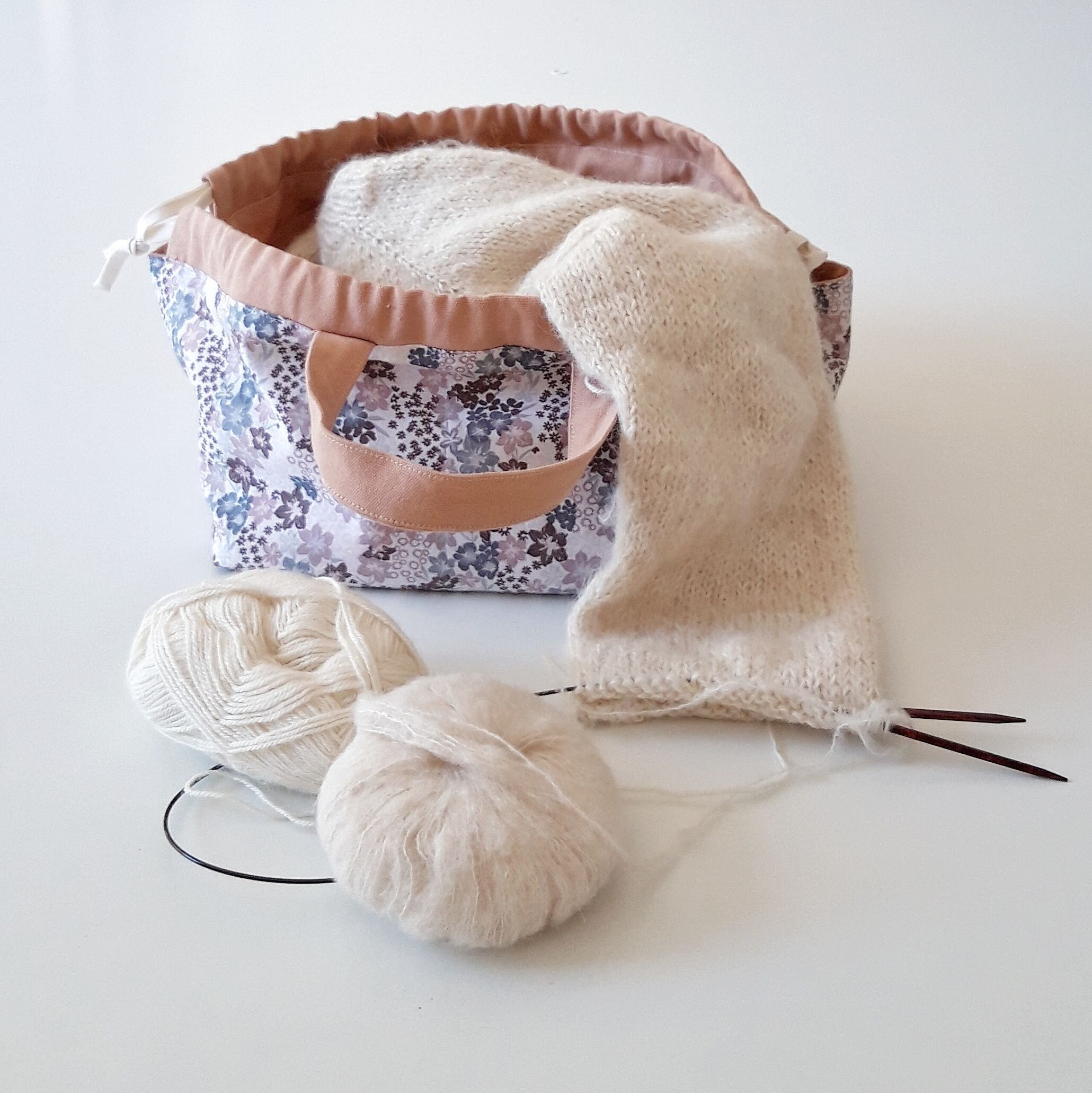
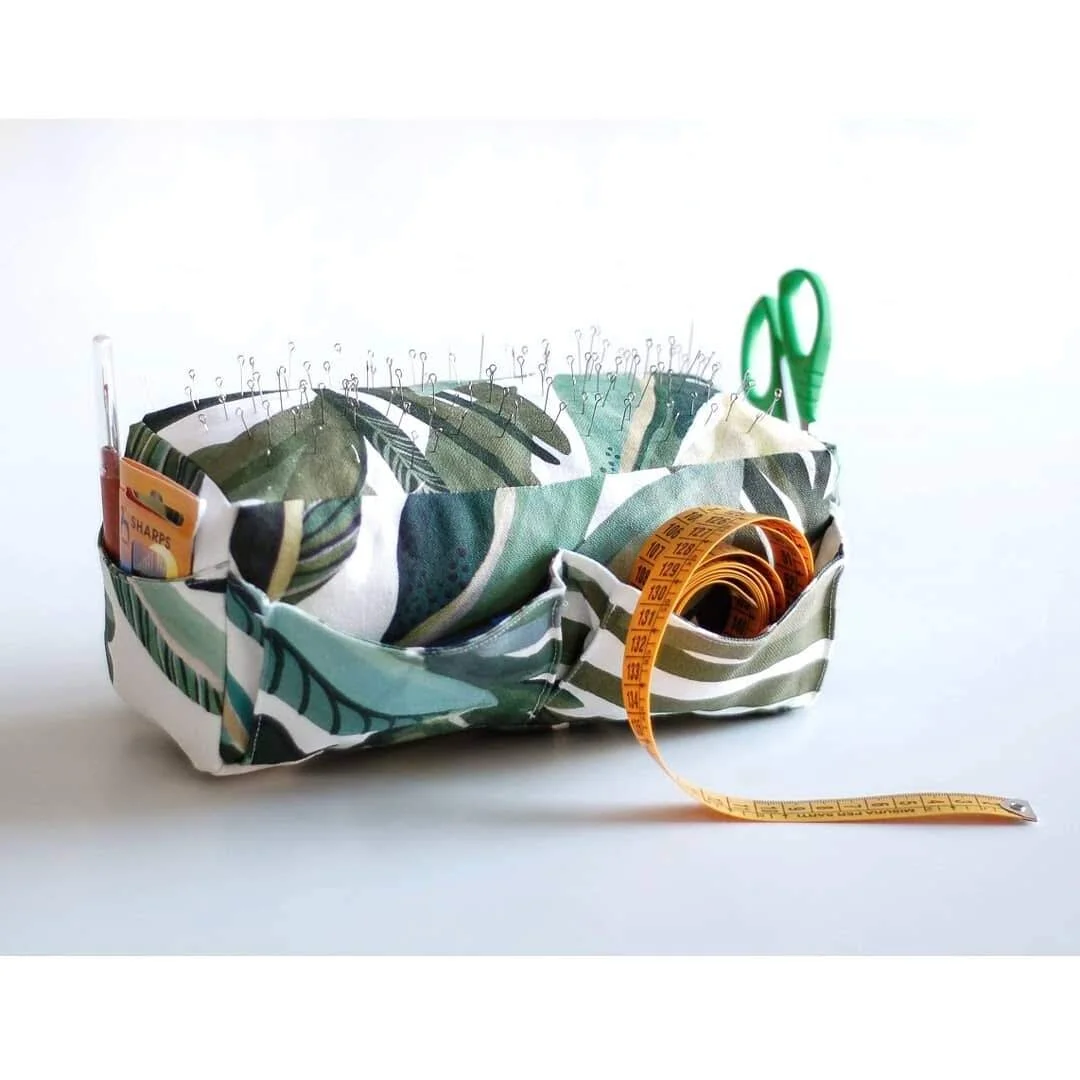
Some fabric bins for the academy, craft bag in colaboration with Donna Telas.
IMG_20190319_201118_795.jpg

Pincushion for the academy, pattern by Noodlehead.

www.studiocostura.com

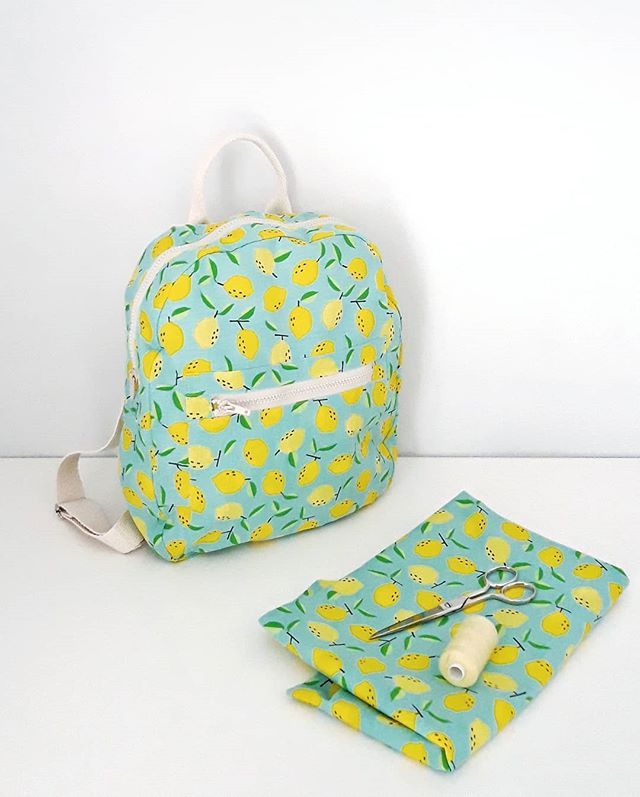
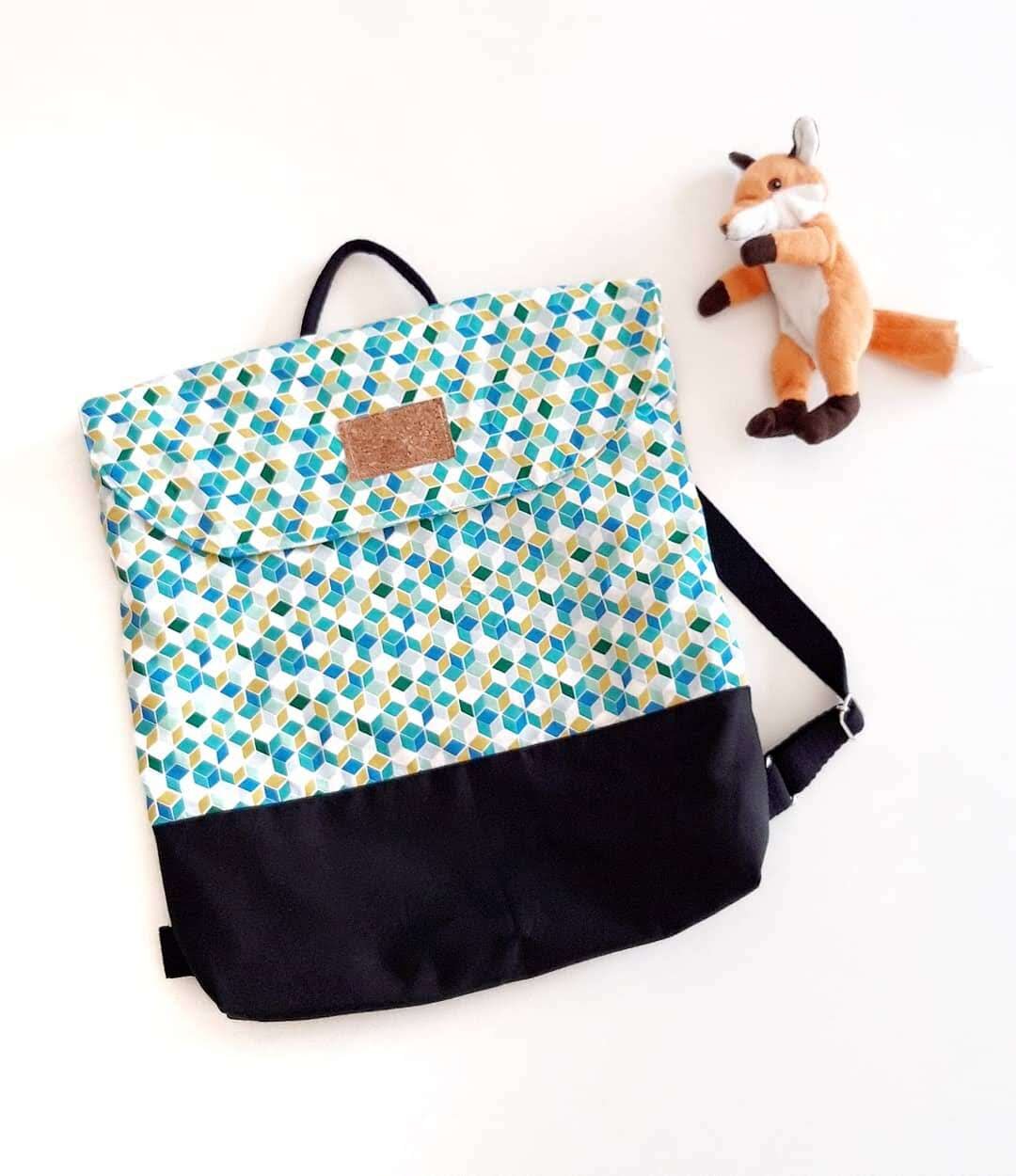
Backpack for my sister, self drafted pattern.
www.studiocostura.com

Backpack for a little friend, self drafted pattern.

Acolchados // Quilting

Este año por fin probé quilting y me ha encantado. Espero poder seguir con más proyectos en el 2020. Hasta ahora hice un par de colchas para bebés, todas iban para regalos, pero tengo planeado una grande para mi cama!

This year I finally started to learn quilting and I’m loving it. I hope I will continue making more quilted projects during 2020. Until now it has been mostly baby quilts, all gifted, but a big bed quilt for me is definitely in my plans!

www.studiocostura.com

Pillow inspired by Modular Bocks Quilt by Purl Soho.

www.studiocostura.com

Baby blanket, pattern Little Peaks Quilt by Purl Soho.
www.studiocostura.com

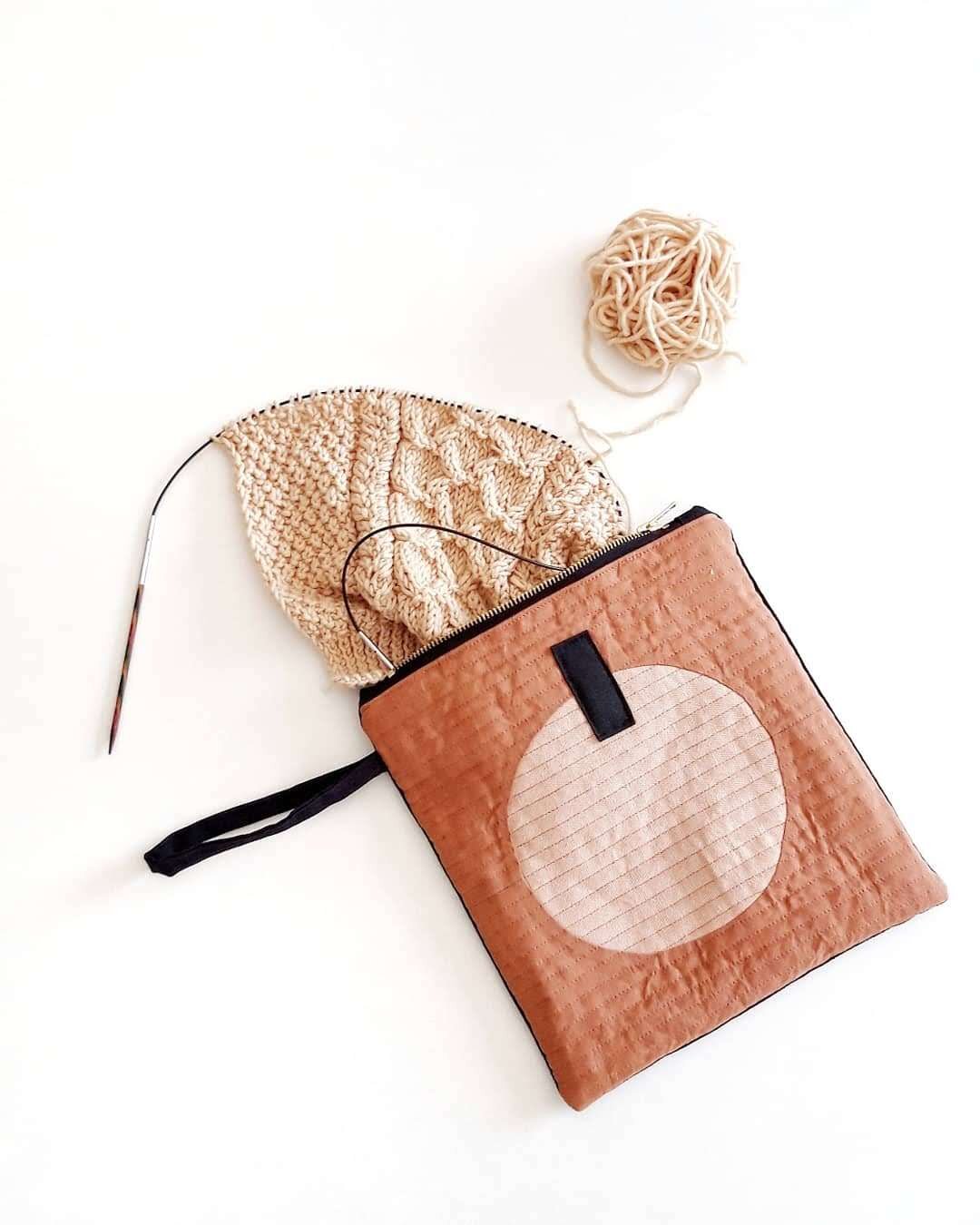
Craft pouch, my own pattern (you can use the free zipper pouch pattern available here).

www.studiocostura.com

Baby quilt, pattern Modular Blocks Quilt by Purl Soho.
www.studiocostura.com

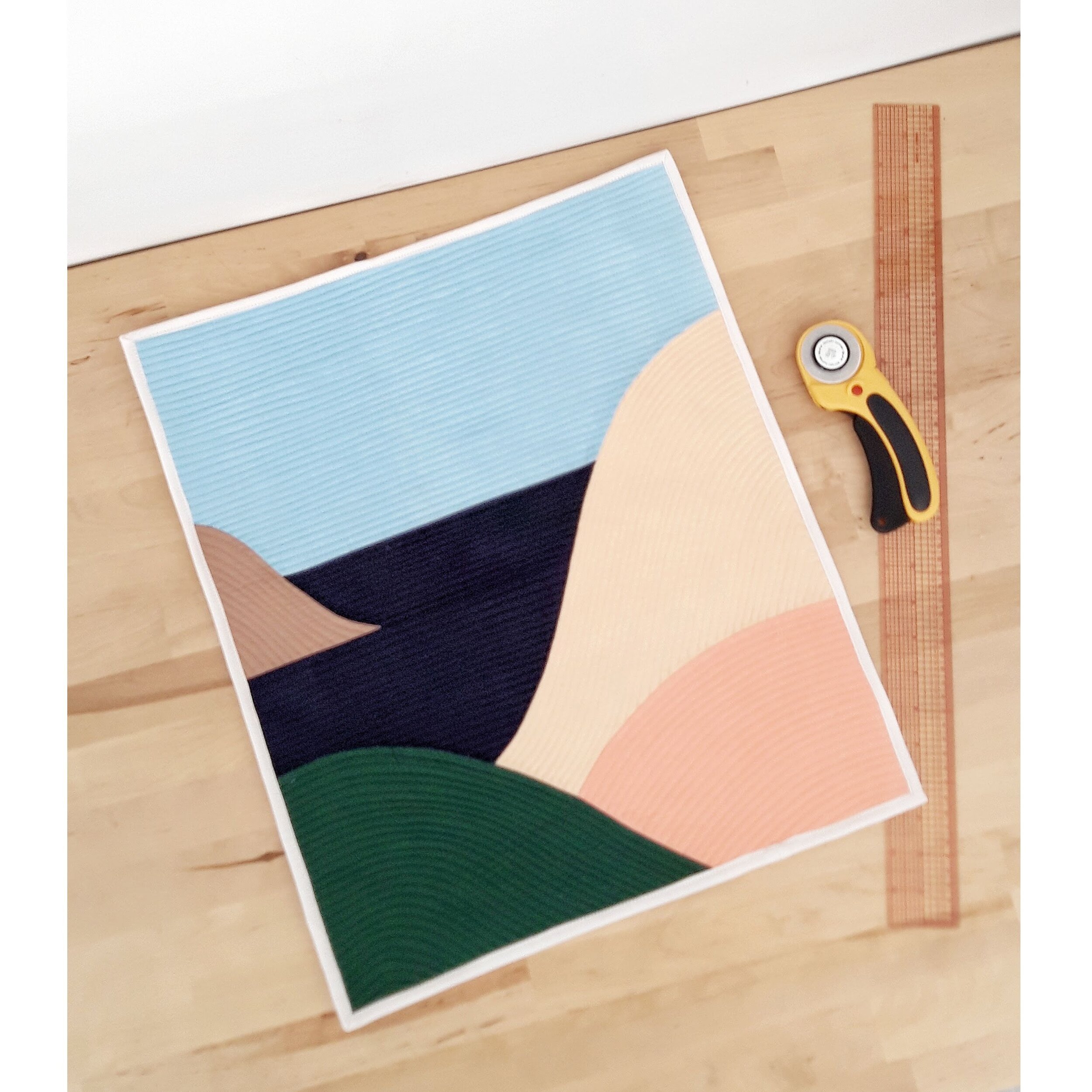
Wall hanging for Lia, my own pattern.

www.studiocostura.com

Yuba Crib Quilt, pattern by Vacilando Quilting.

muestras de lencería // Lingerie samples

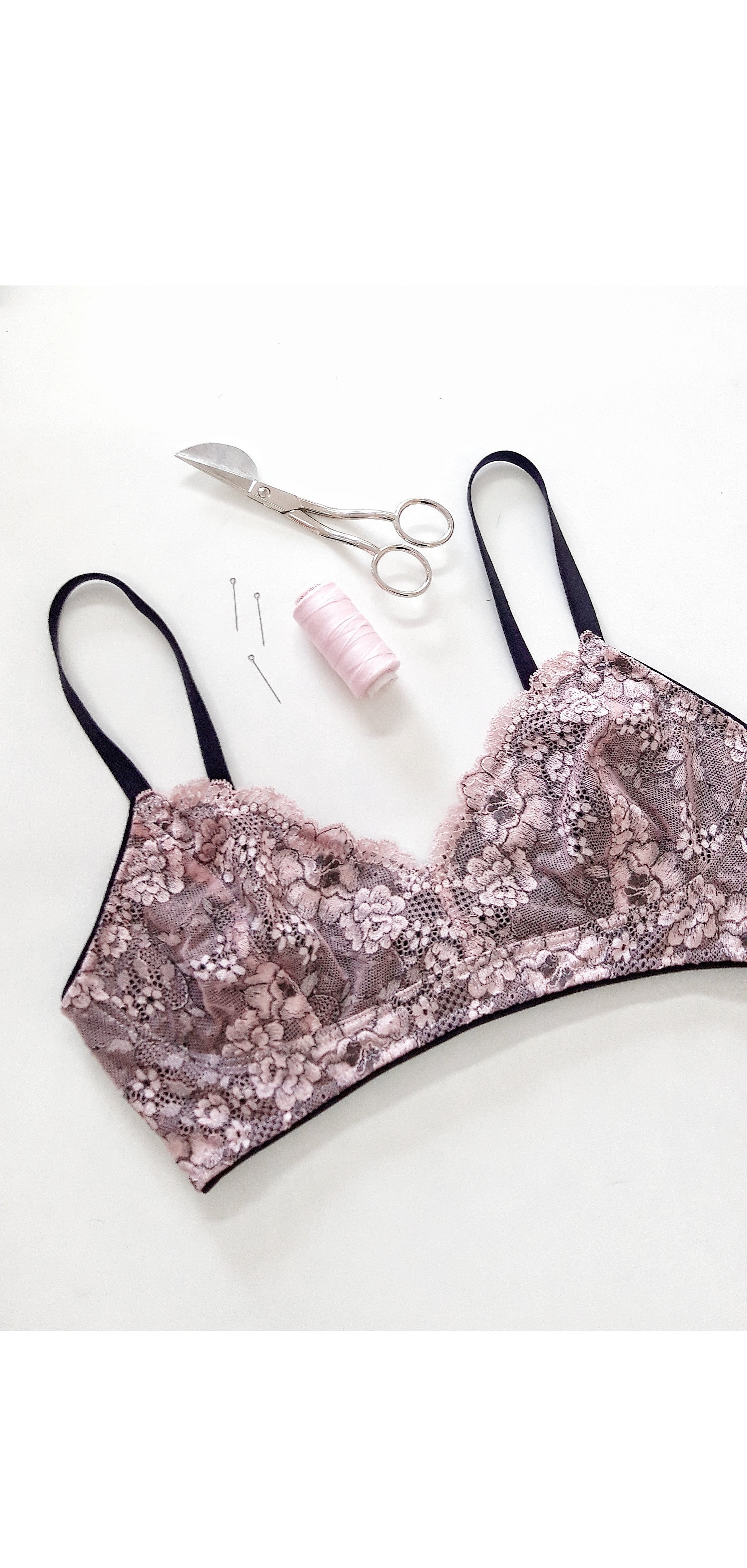
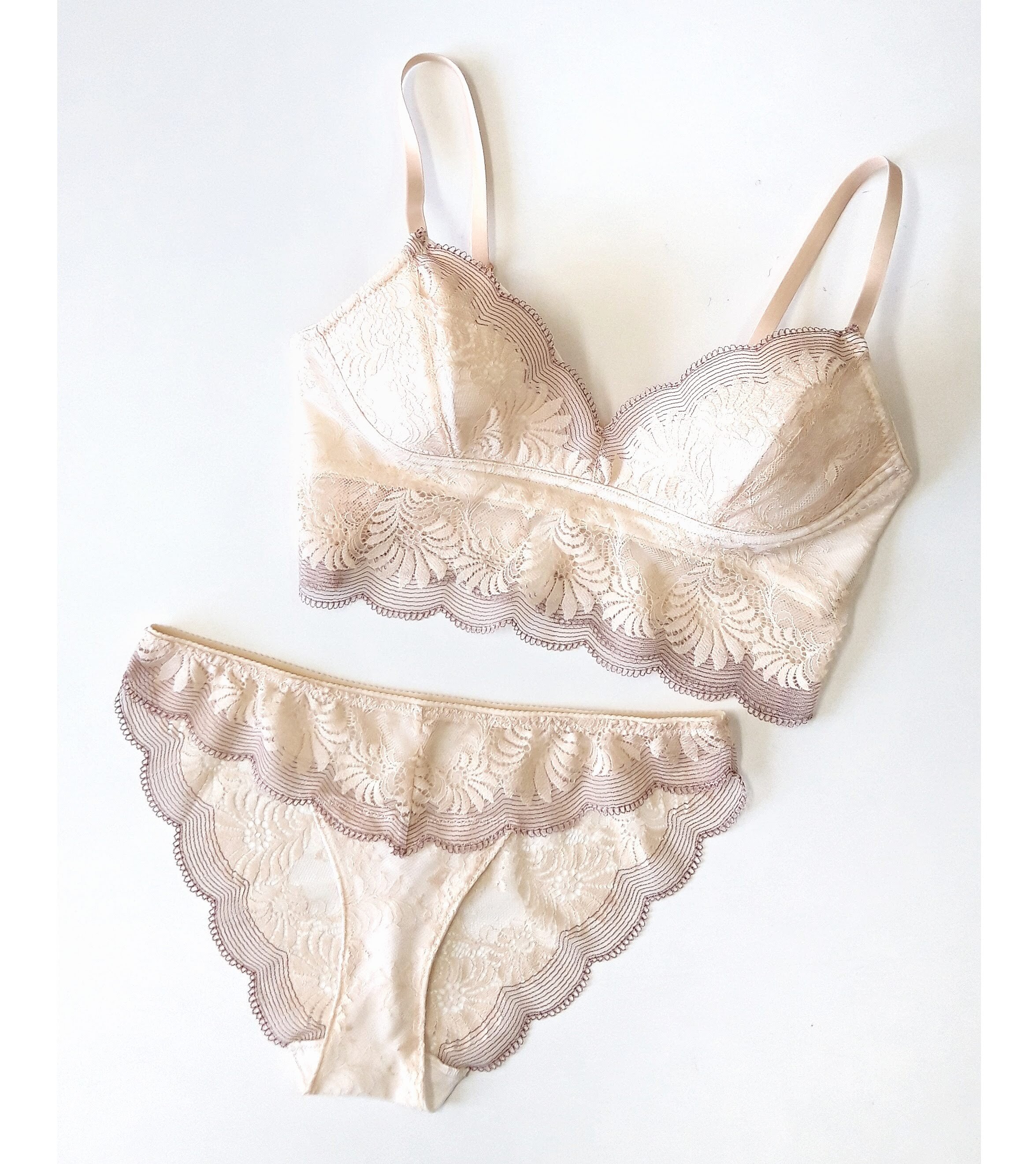
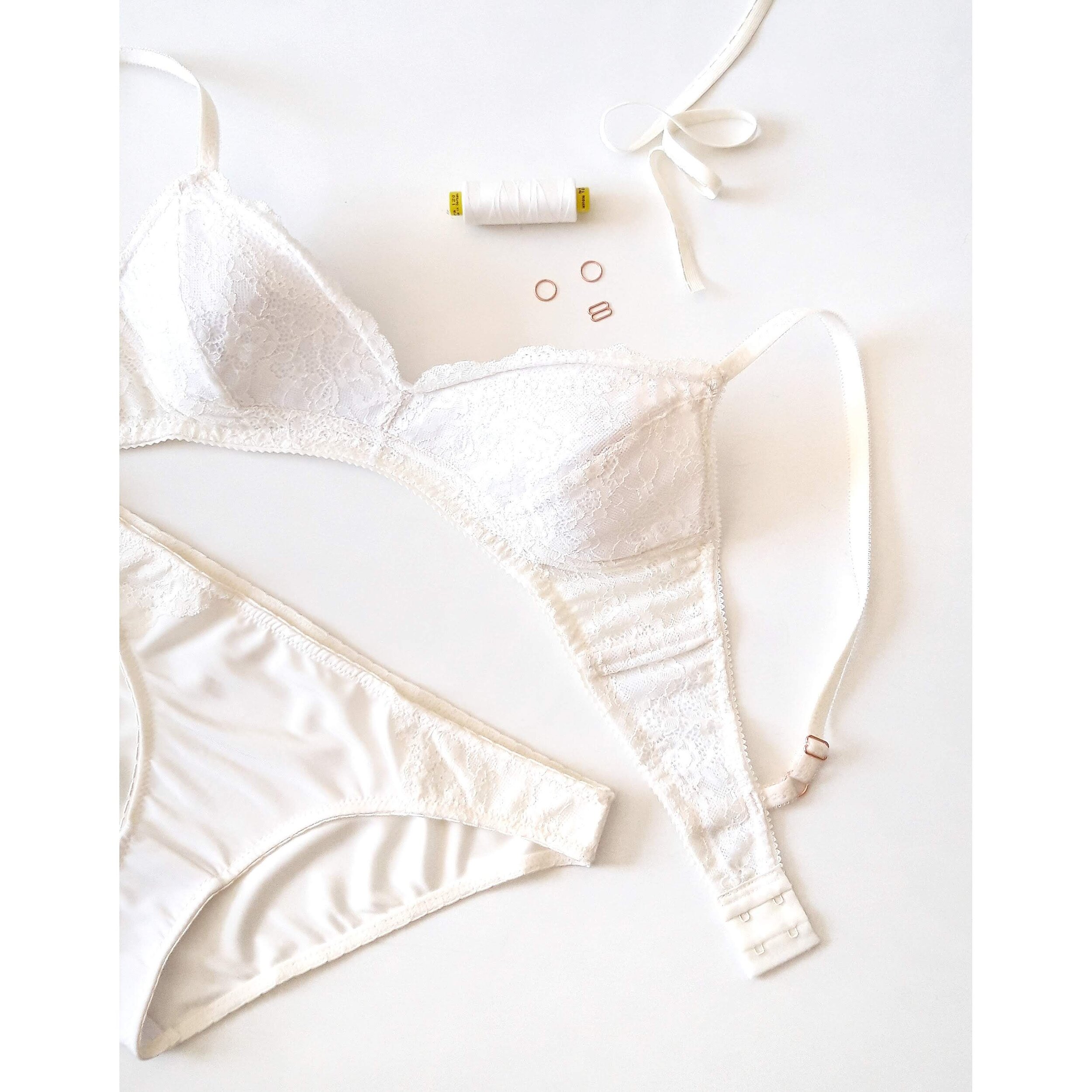
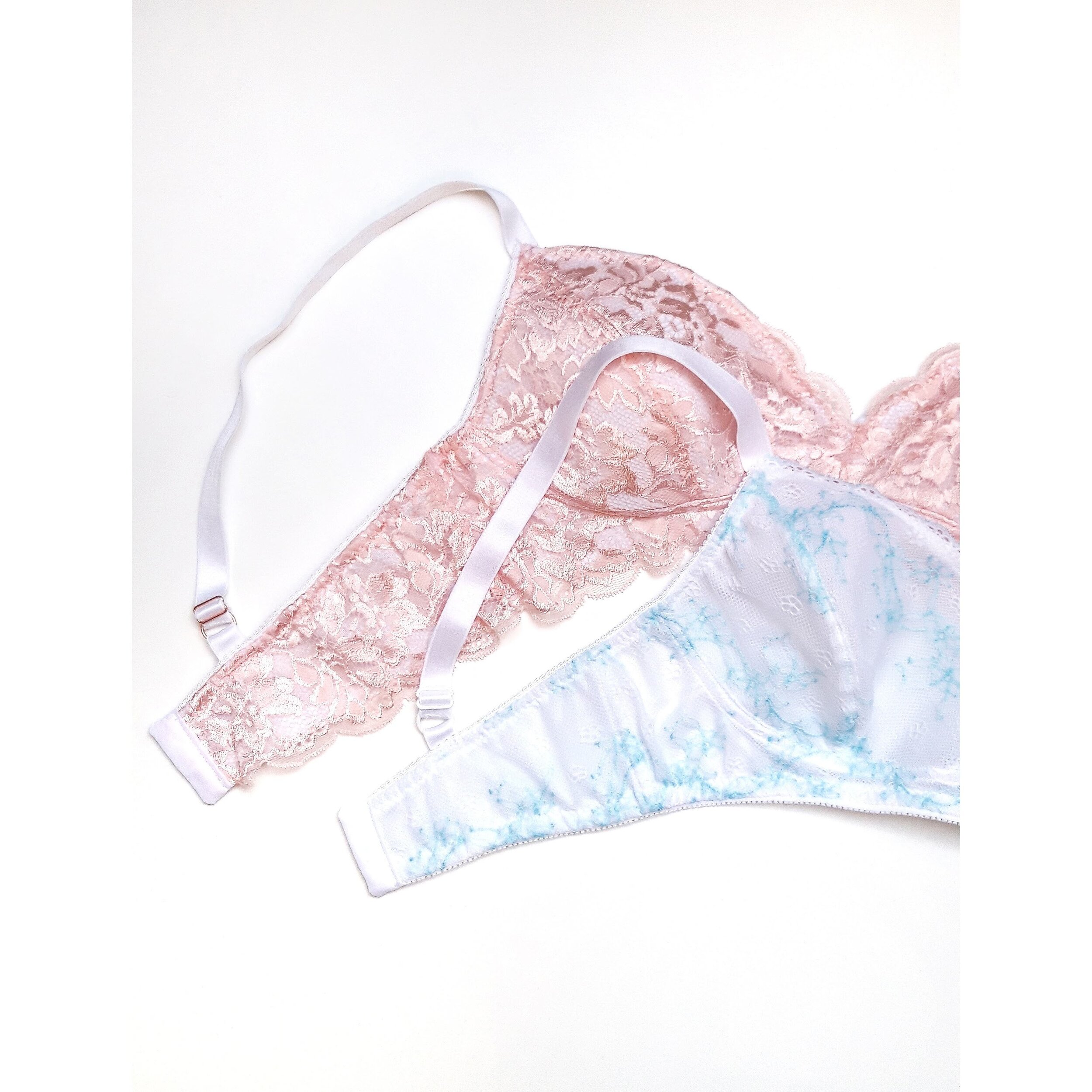
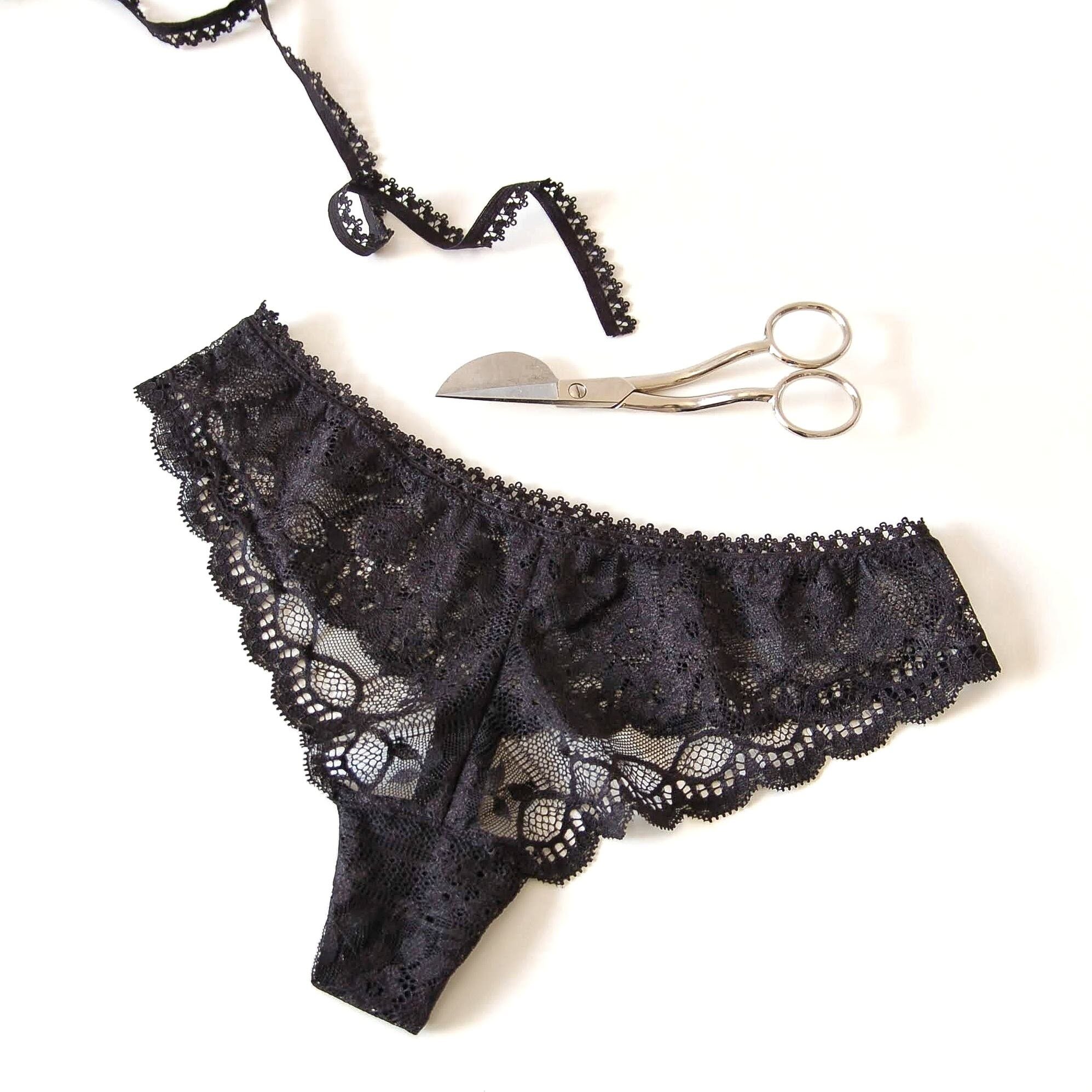
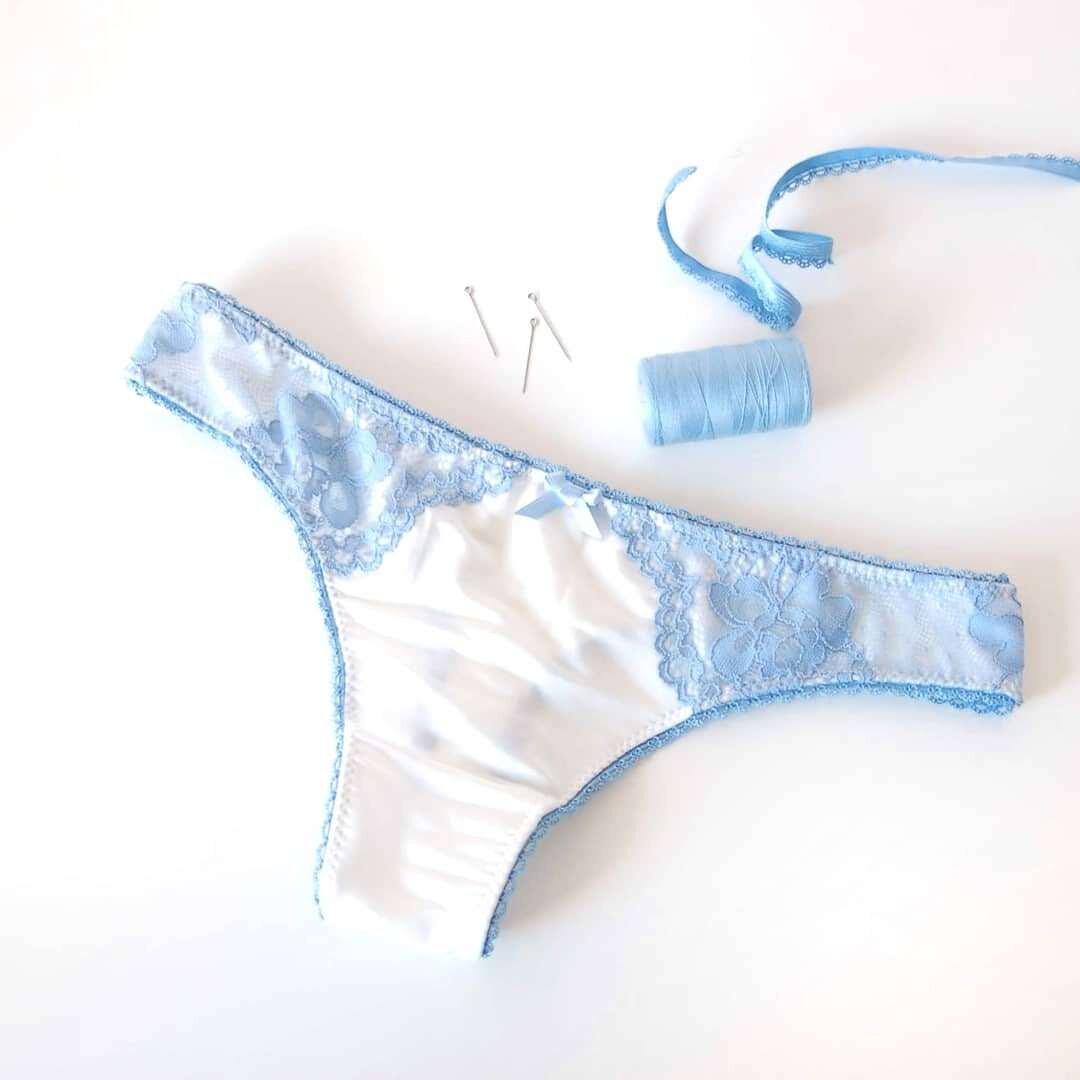
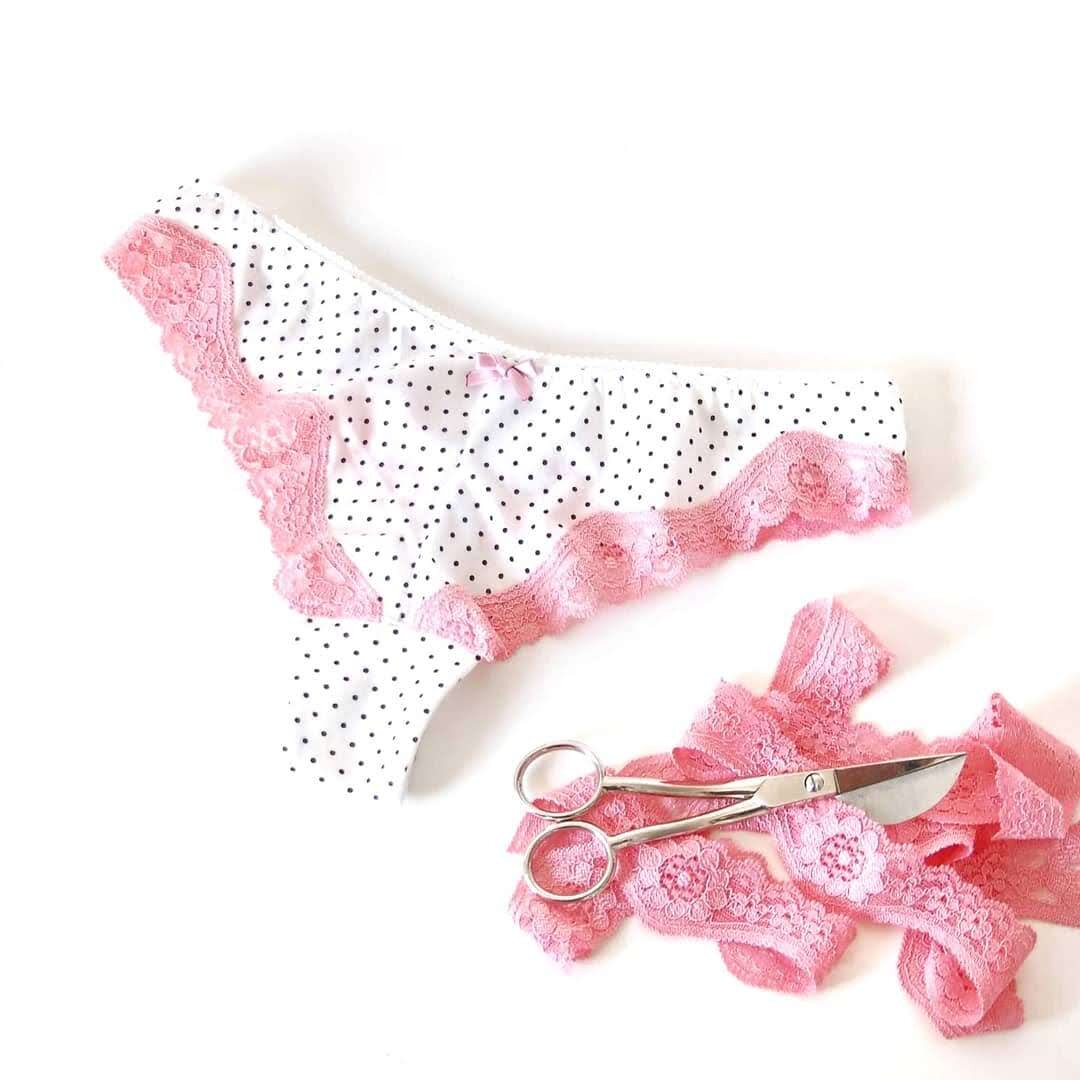
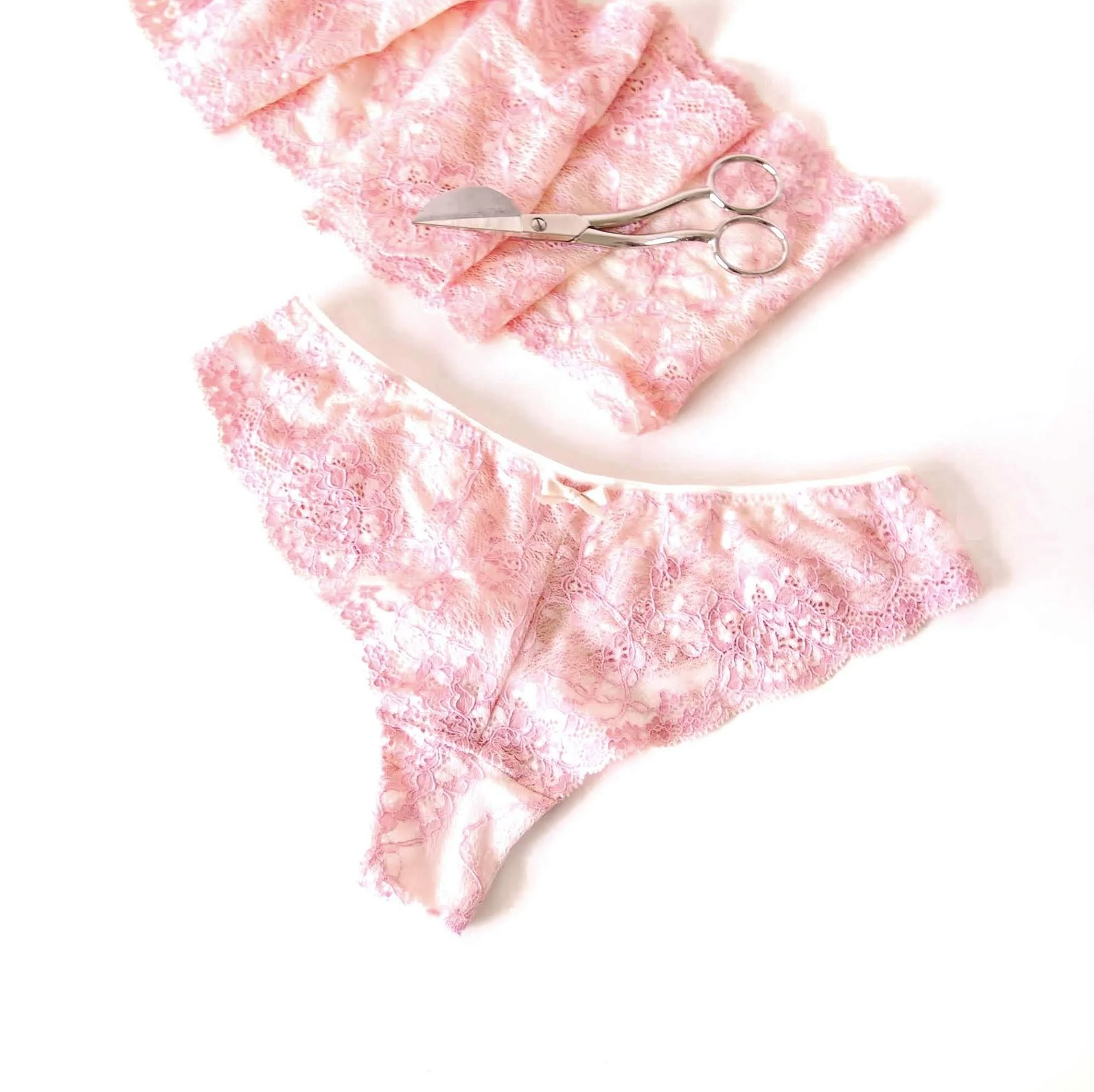
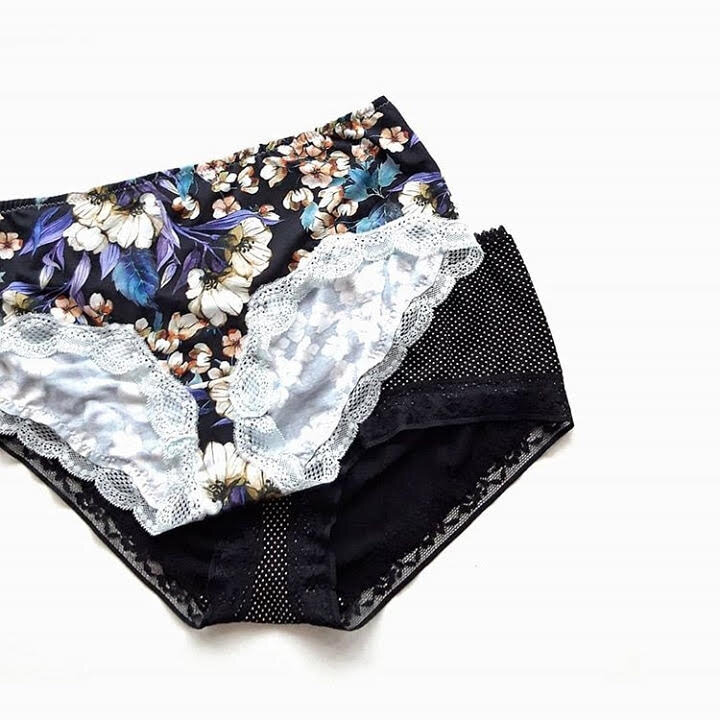
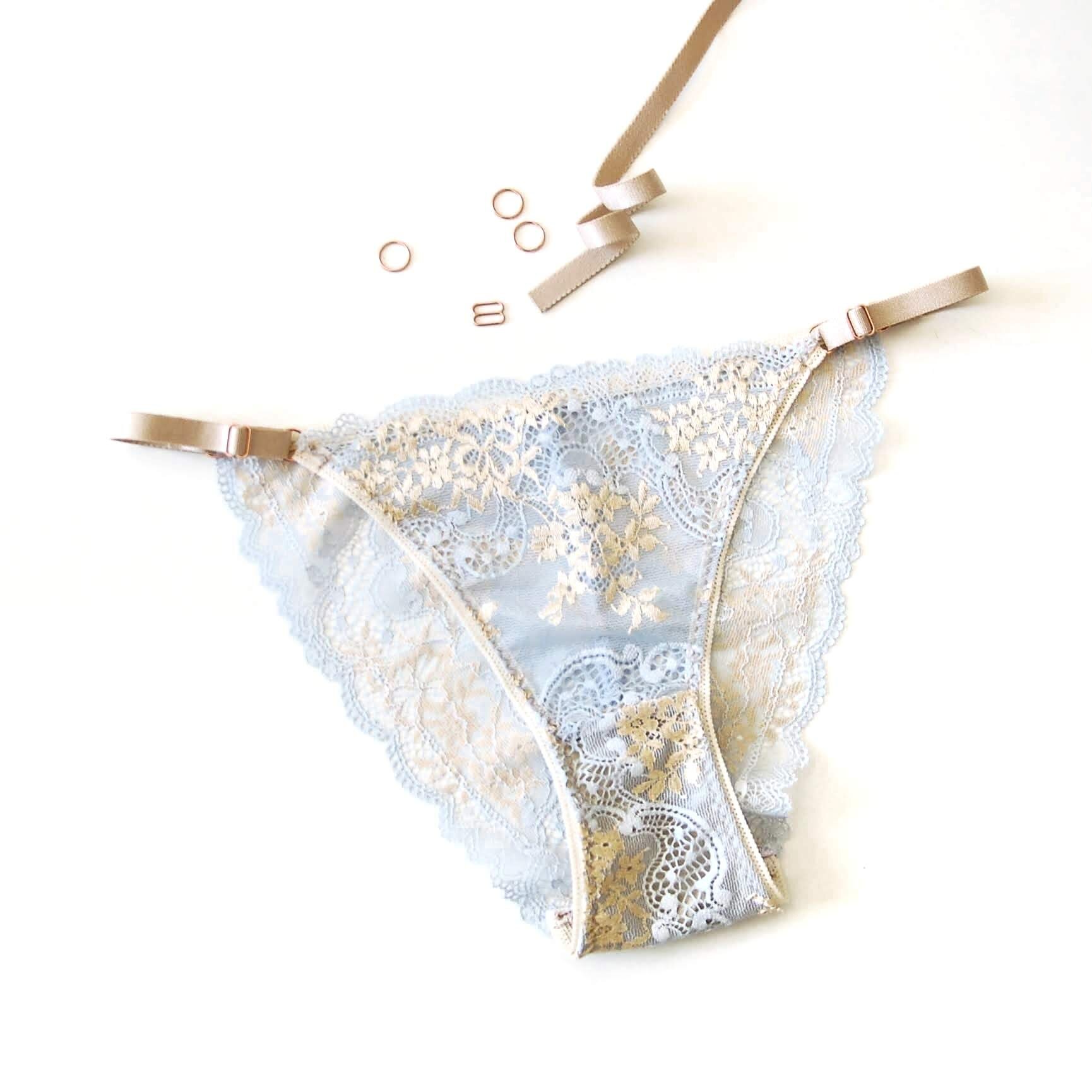
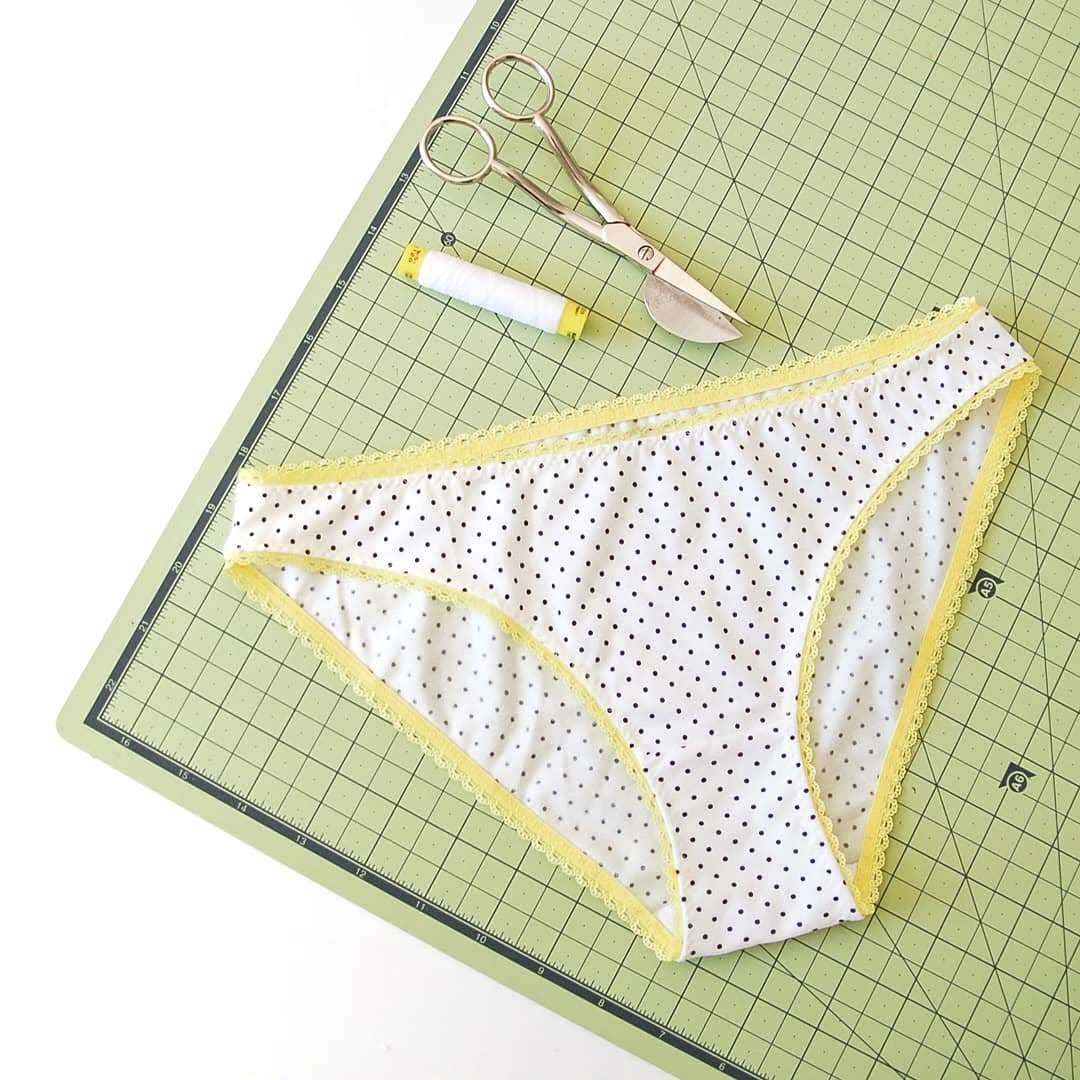
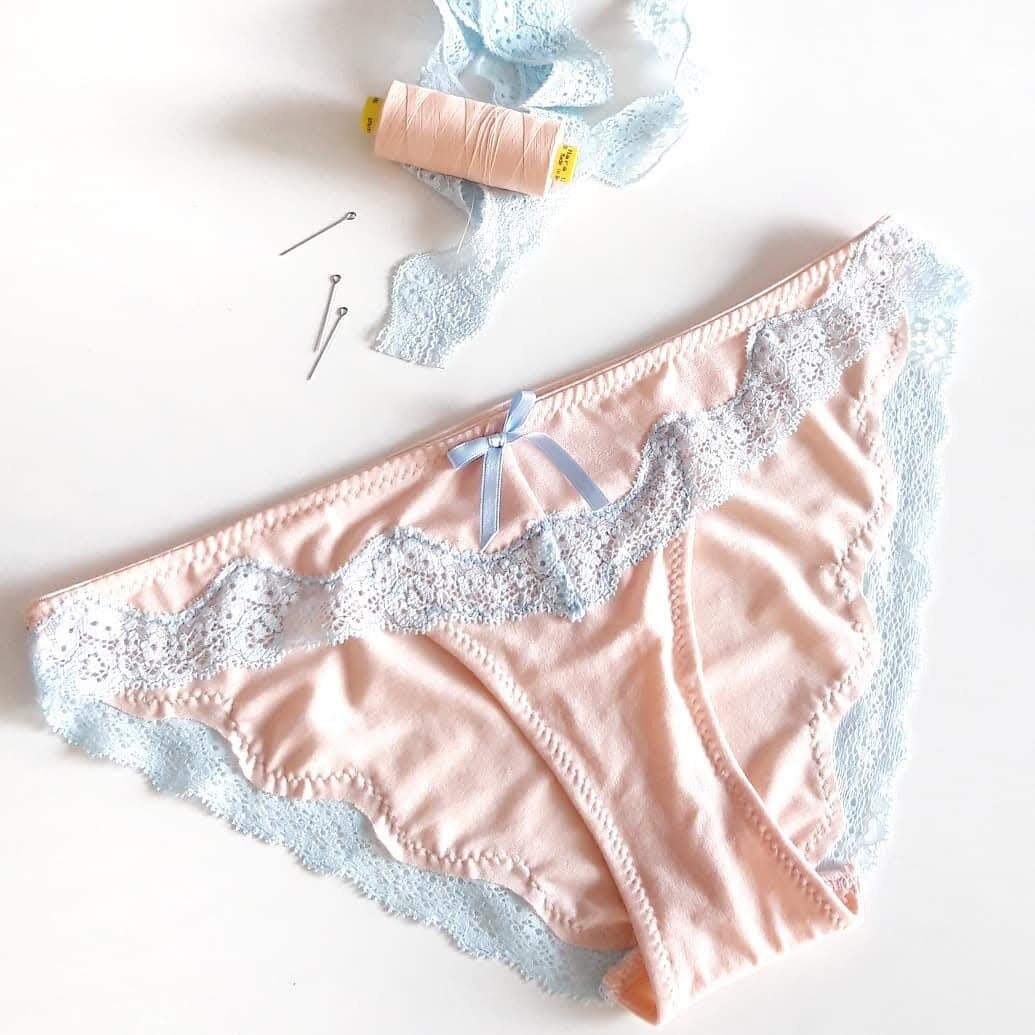
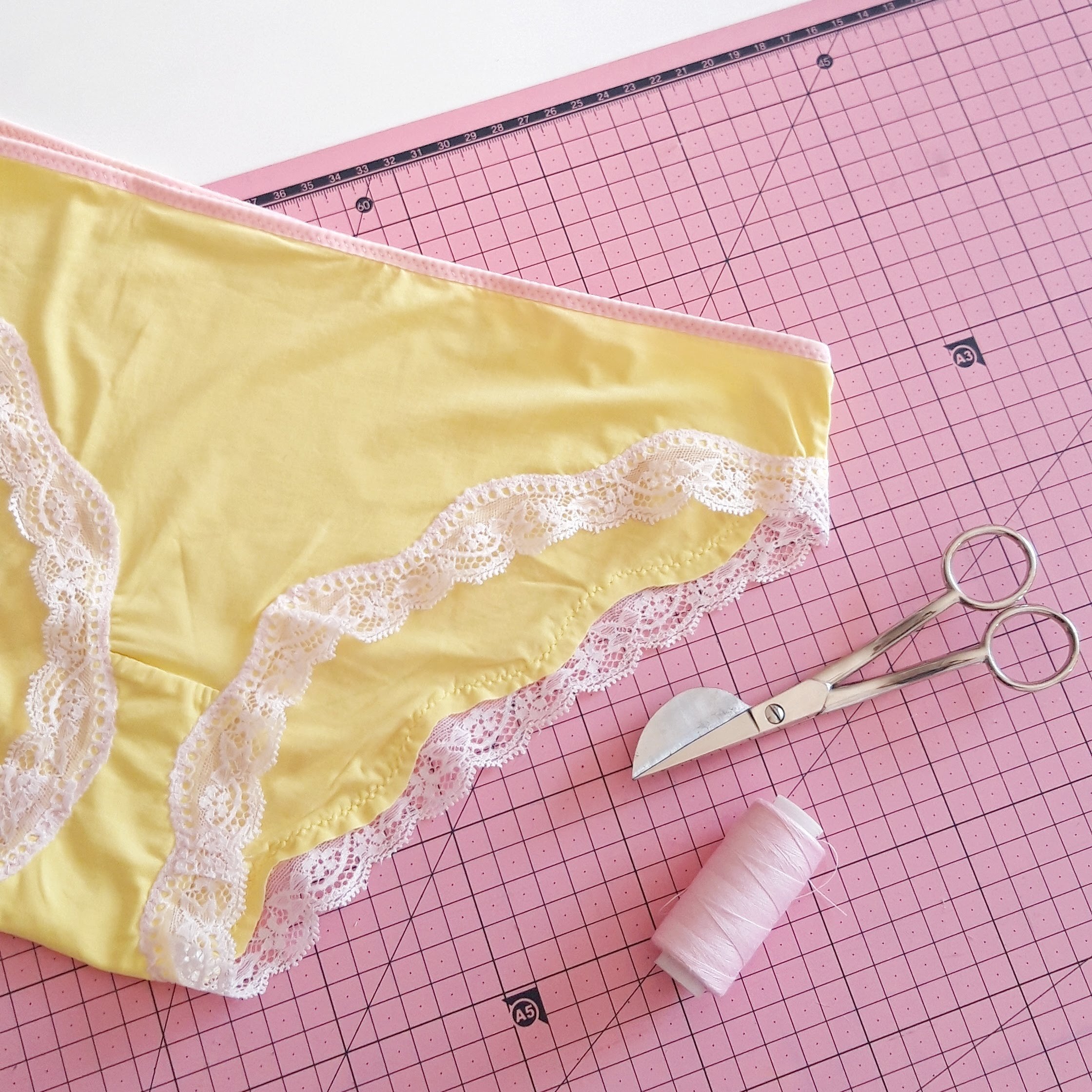
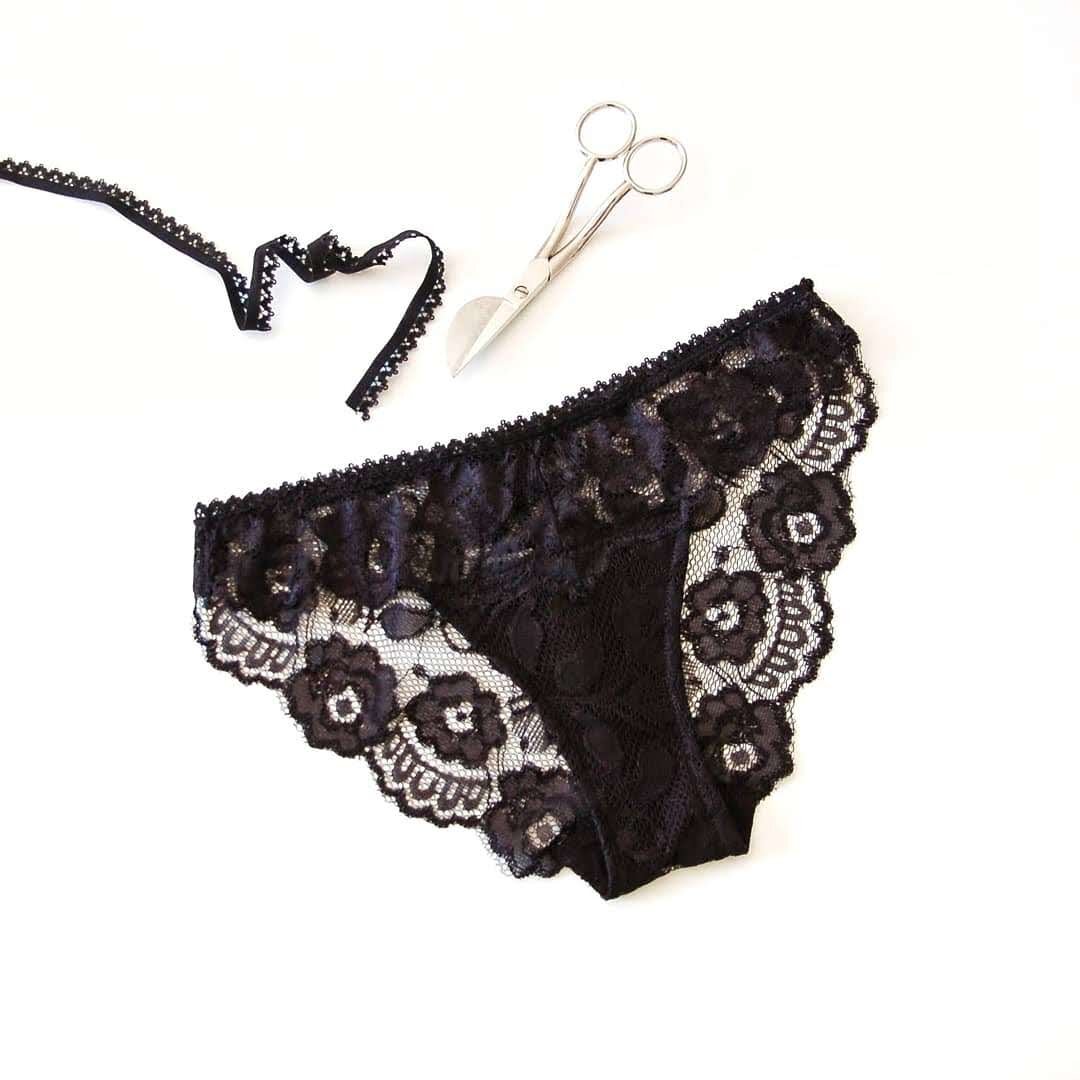
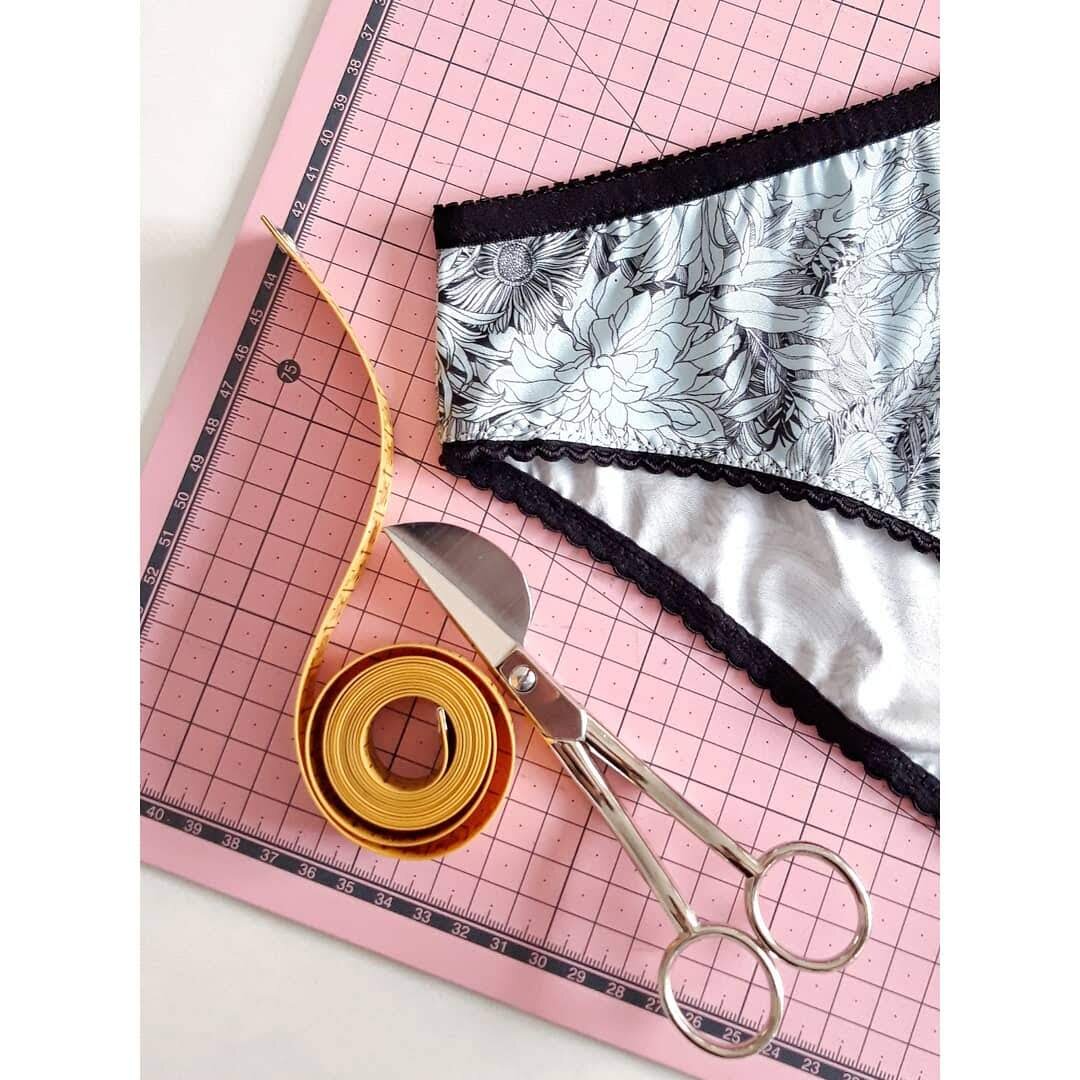
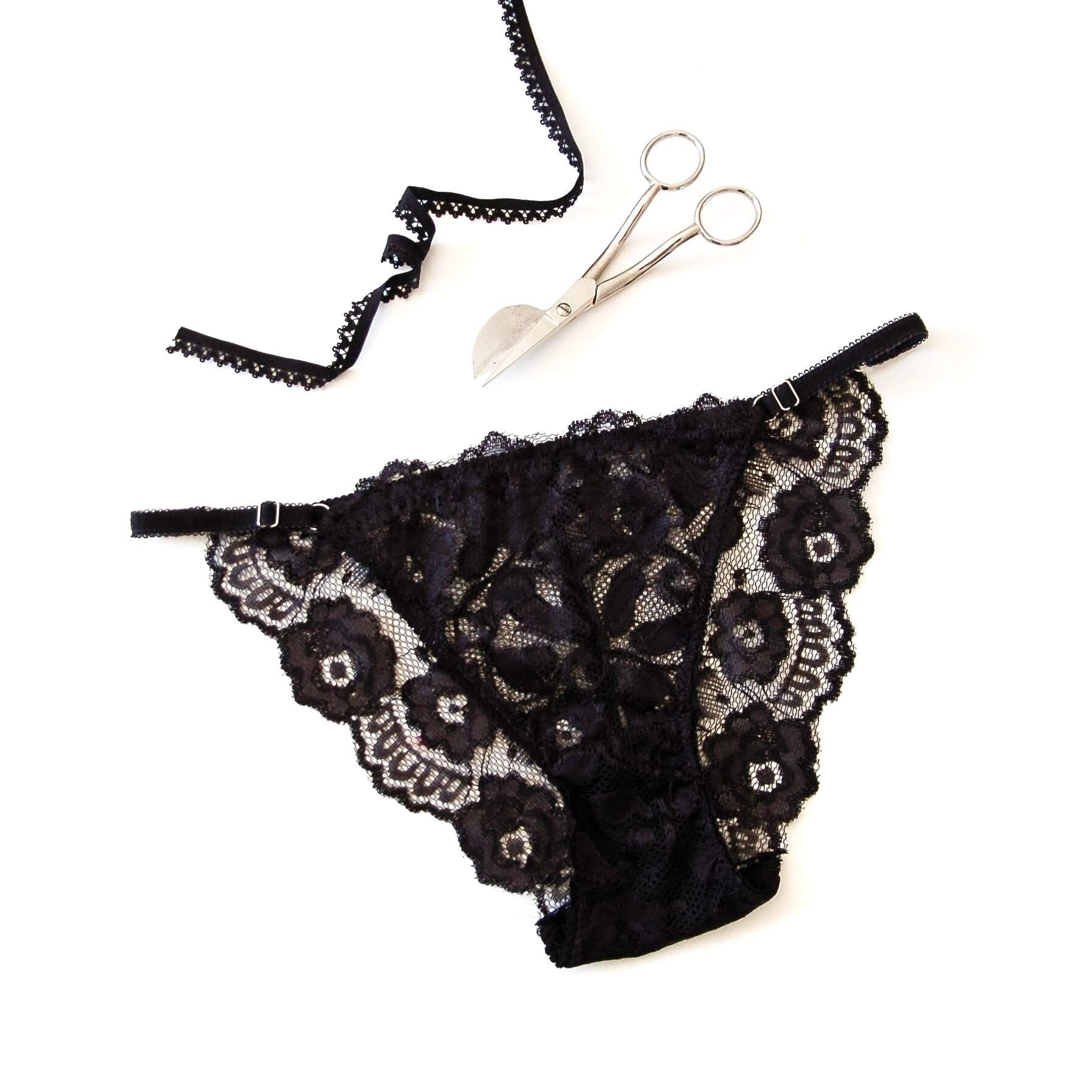
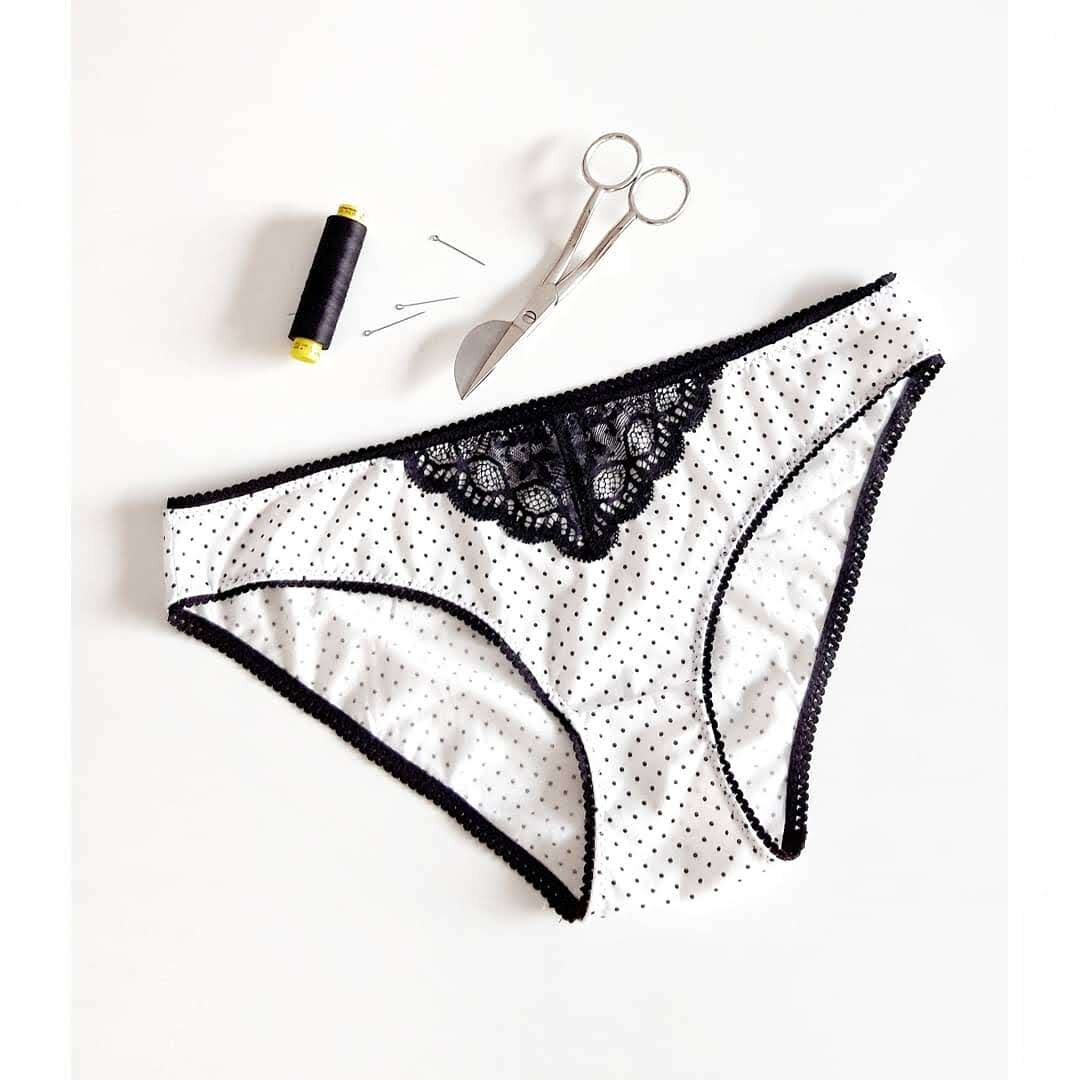
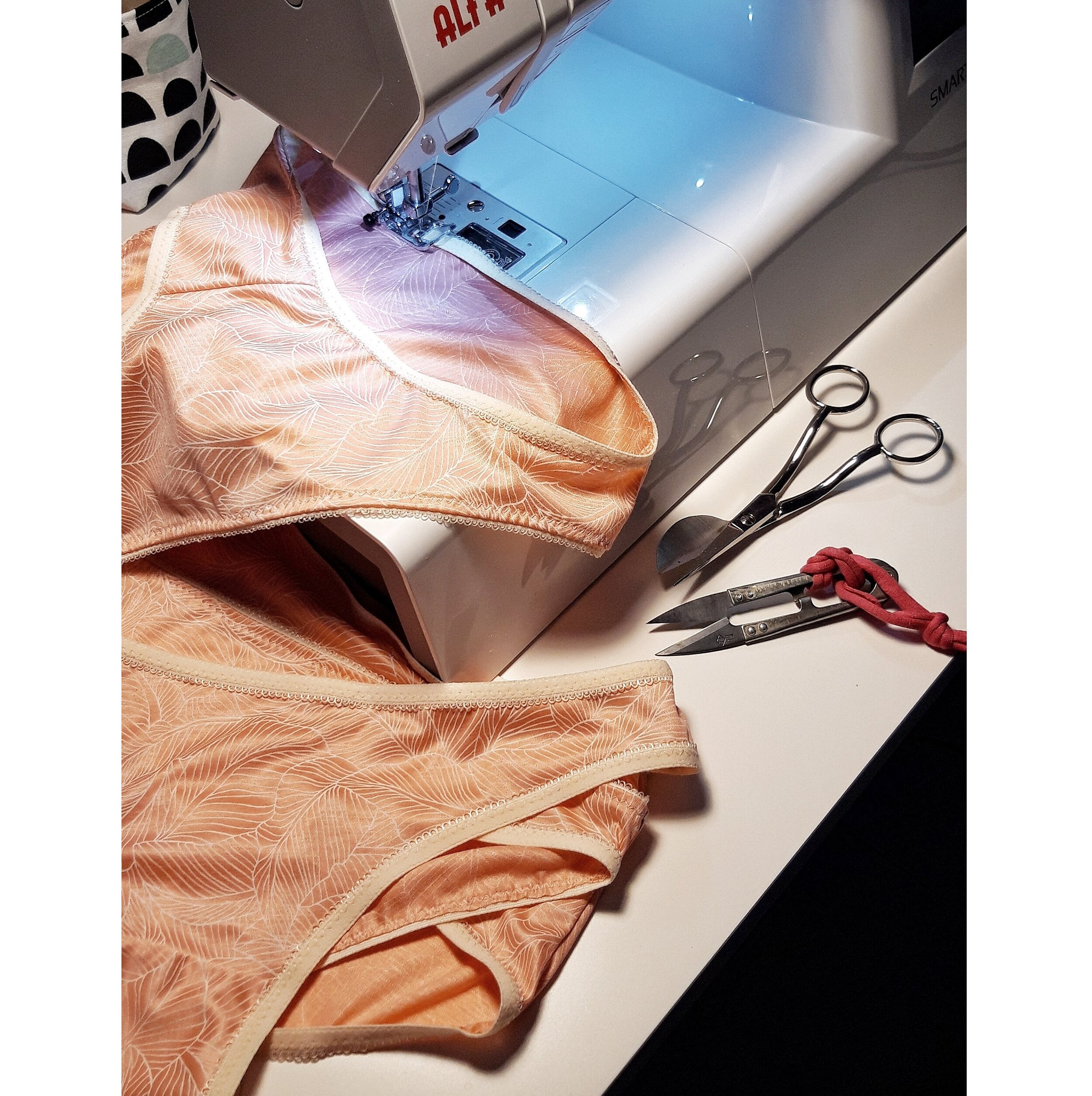
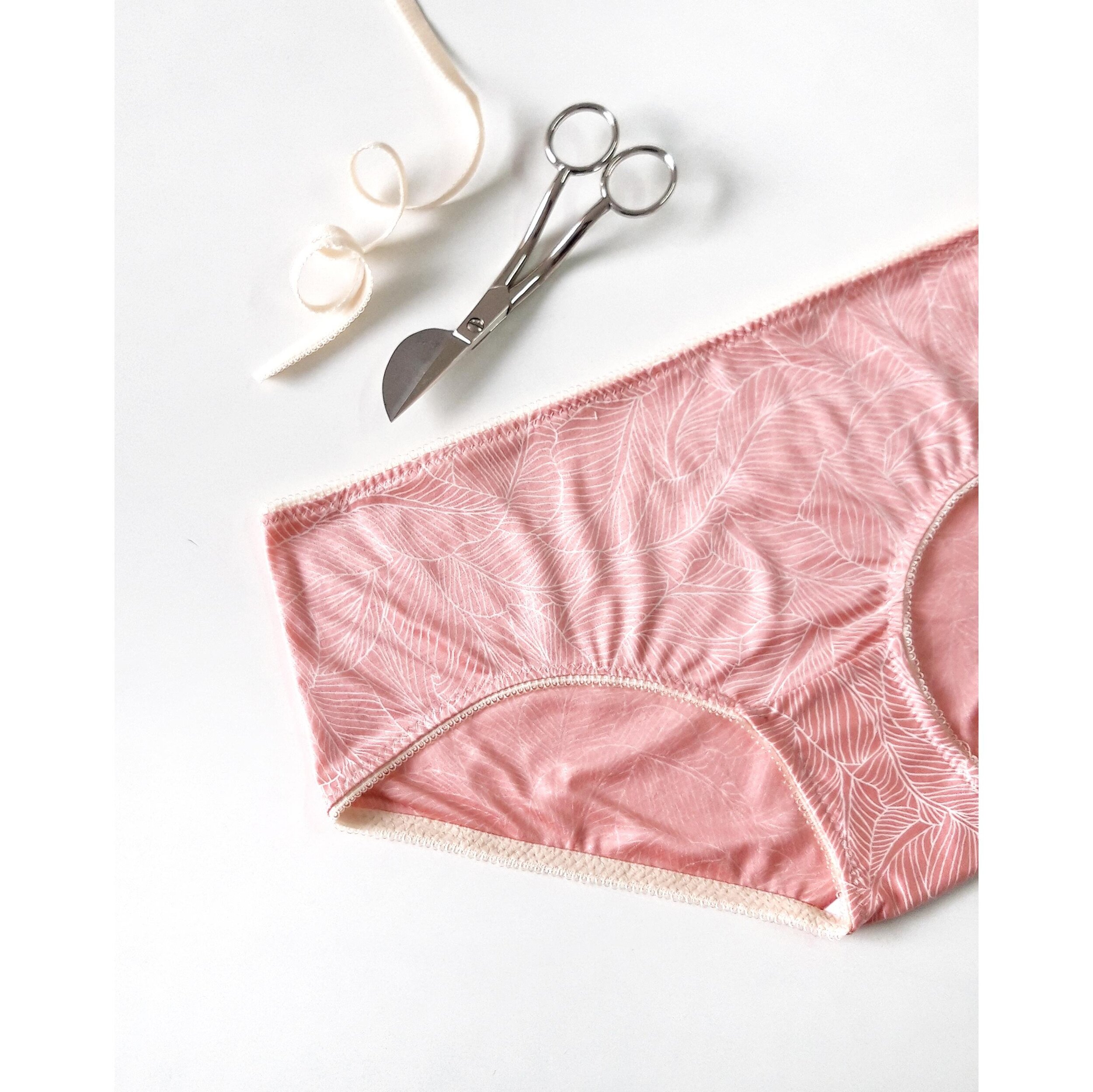
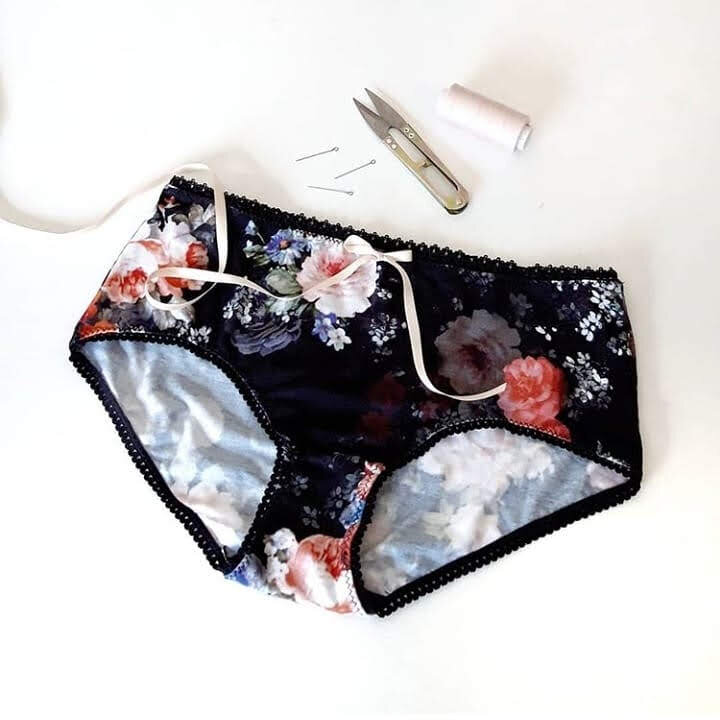
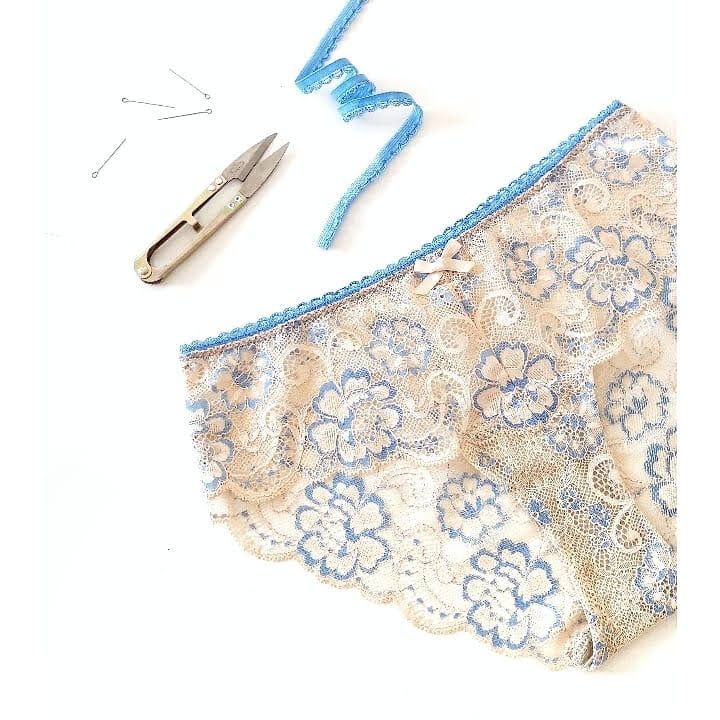
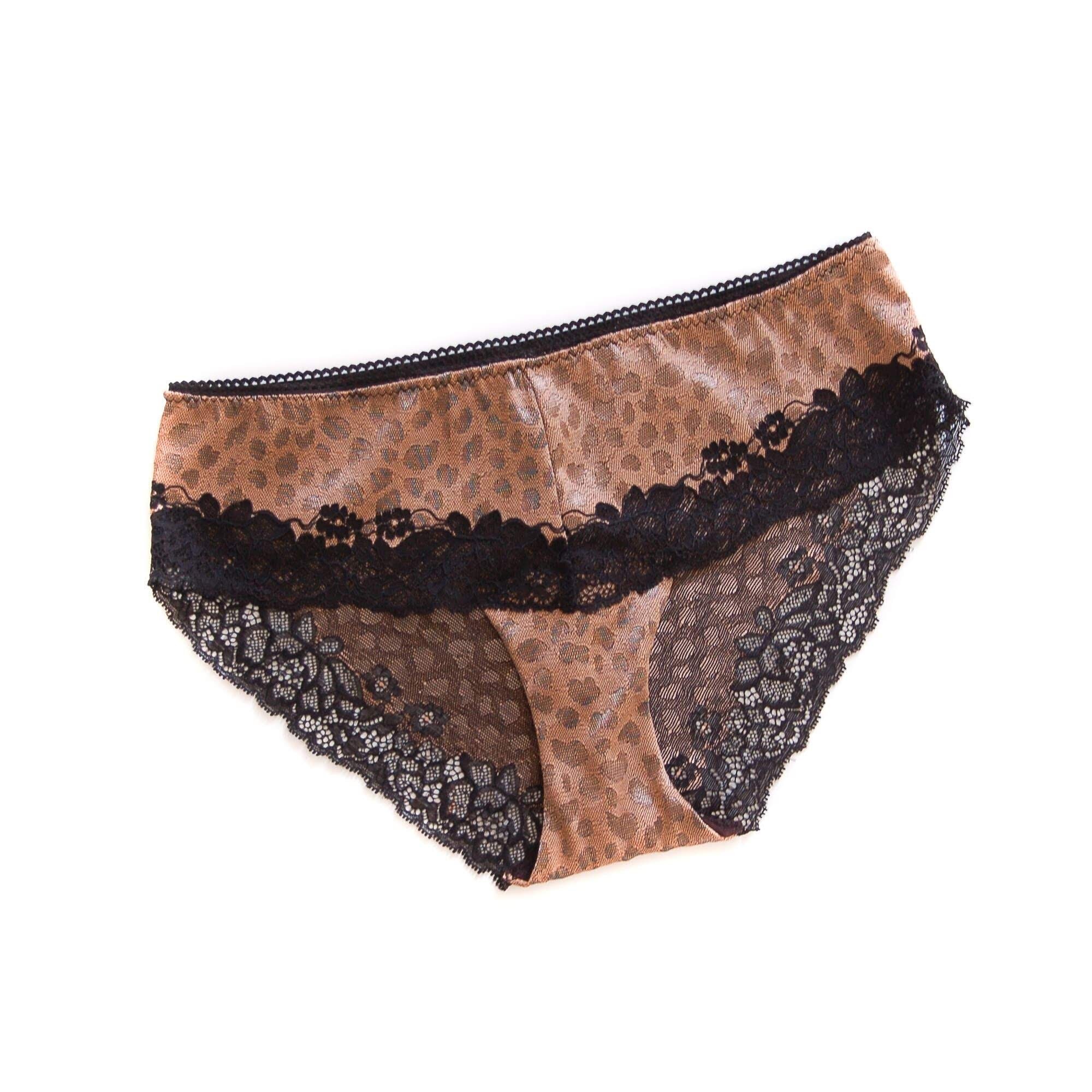
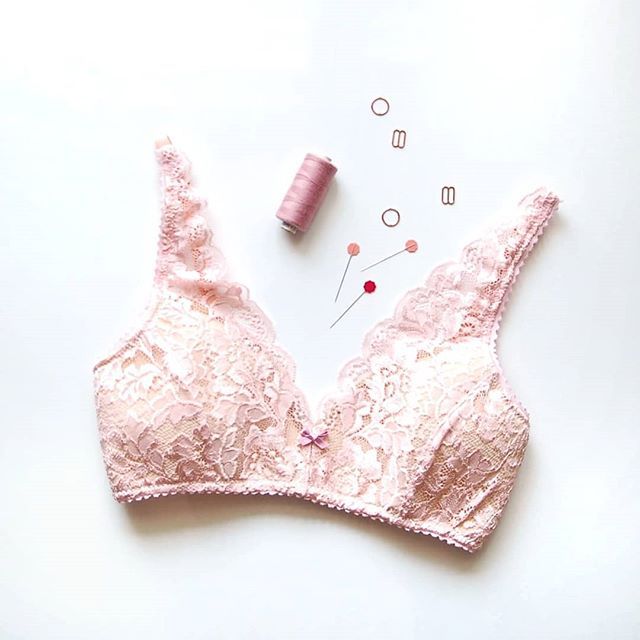
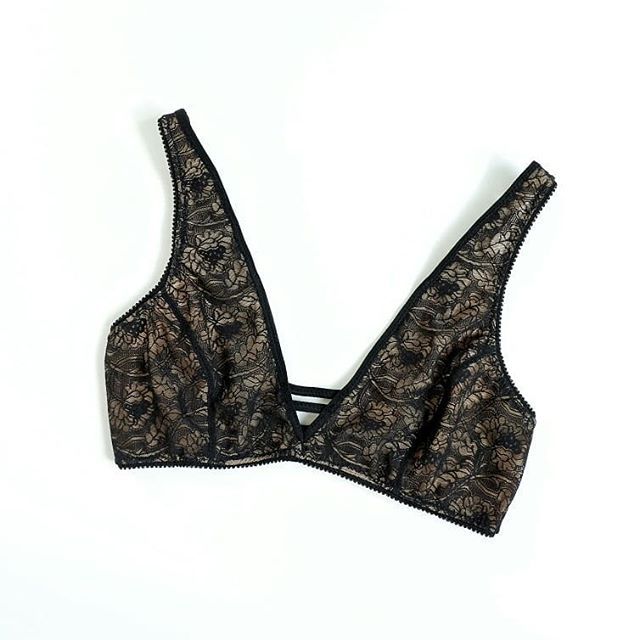
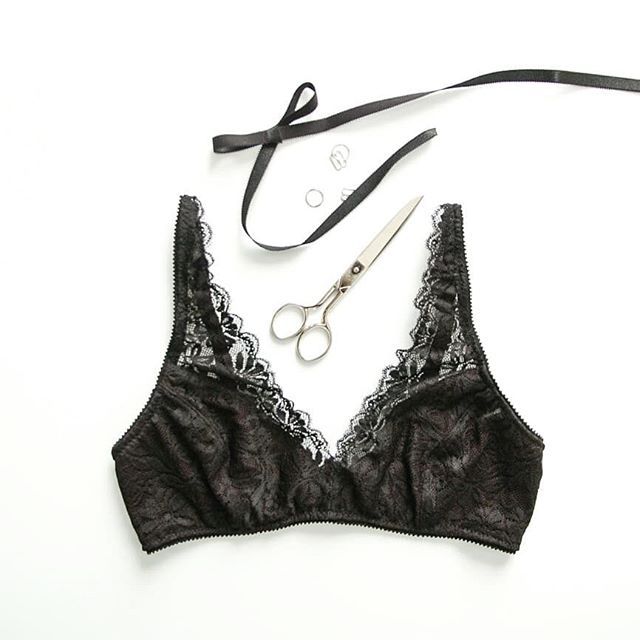
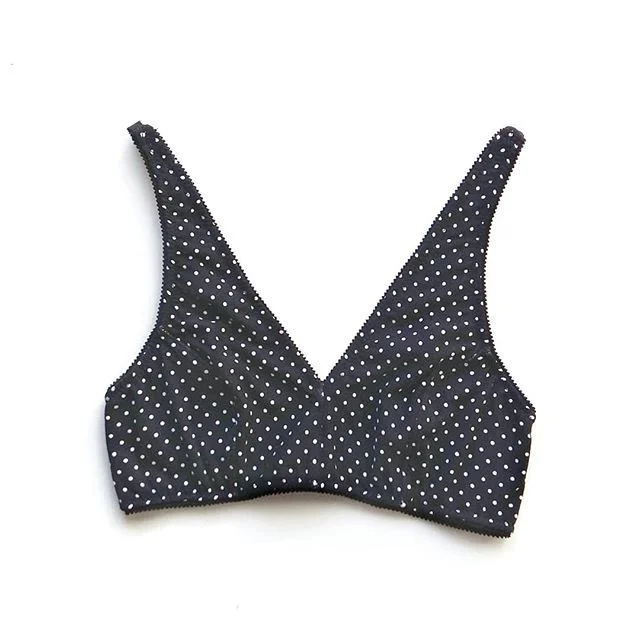
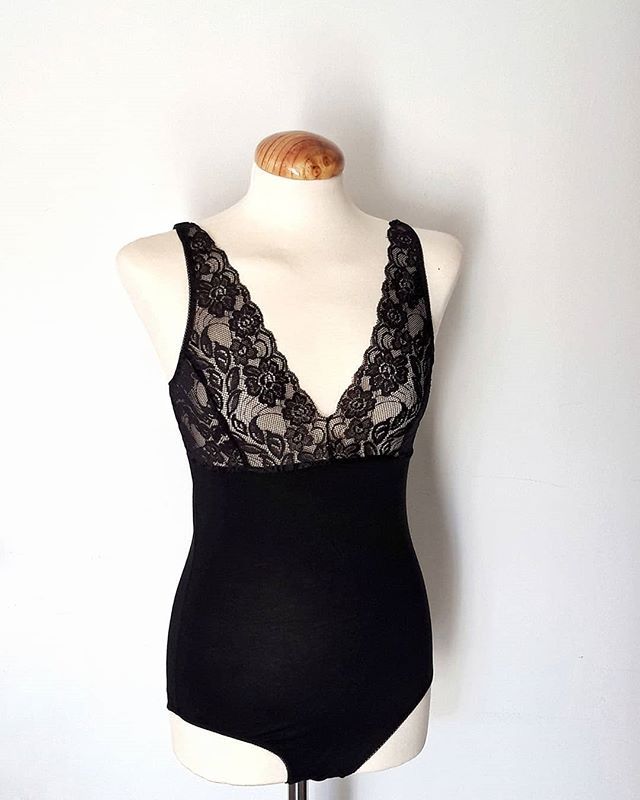
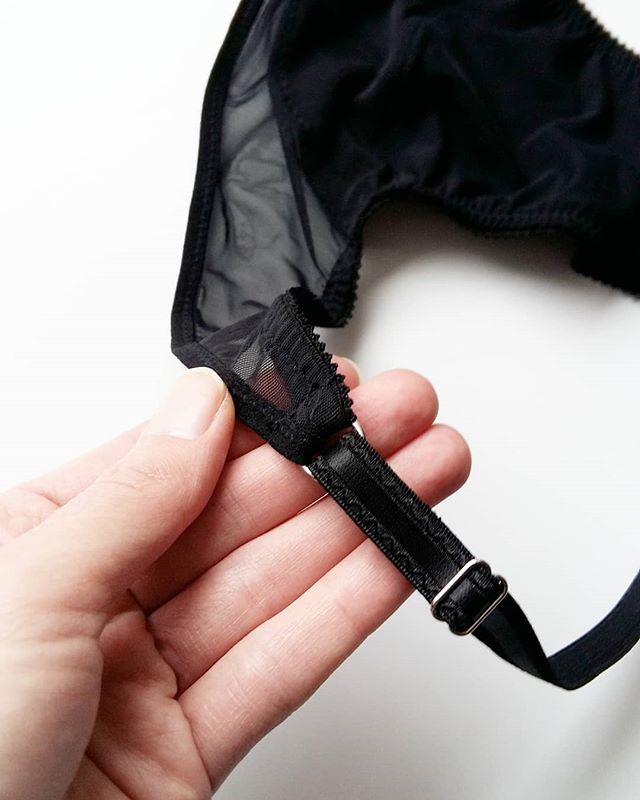
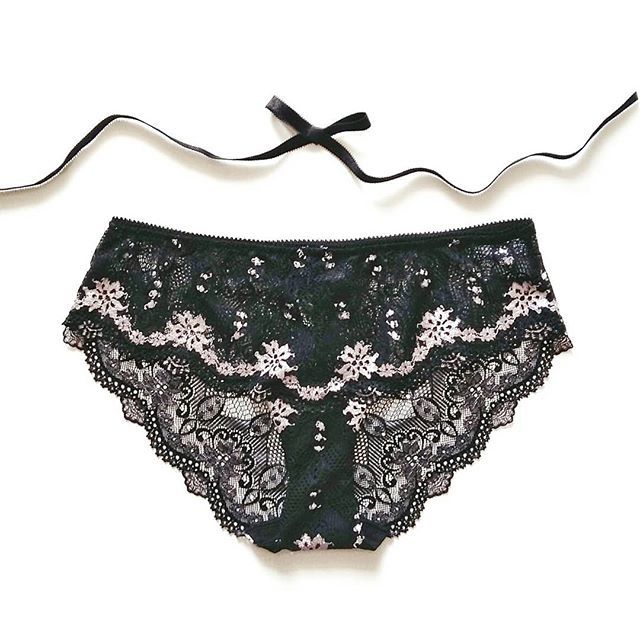
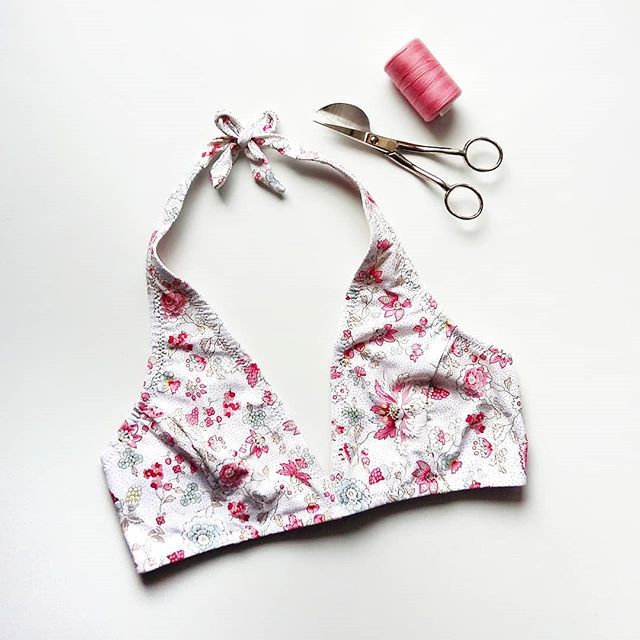
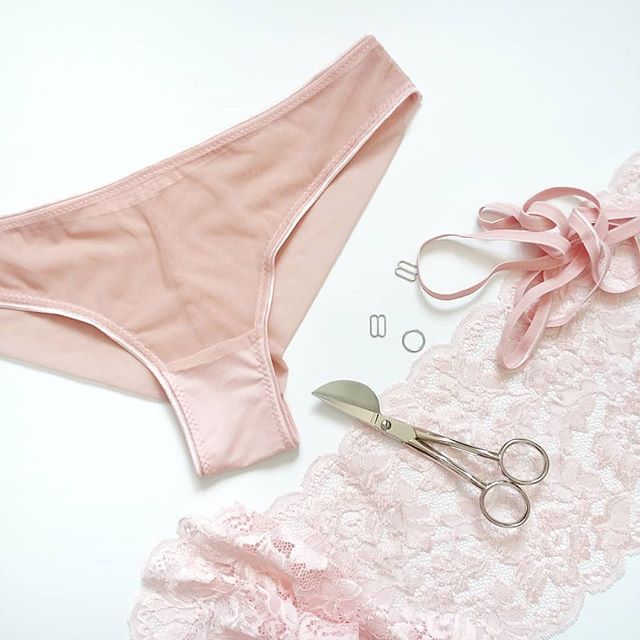
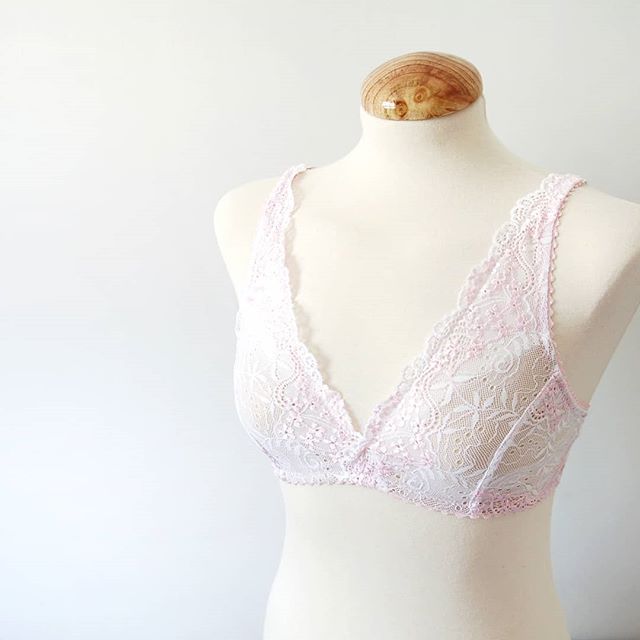
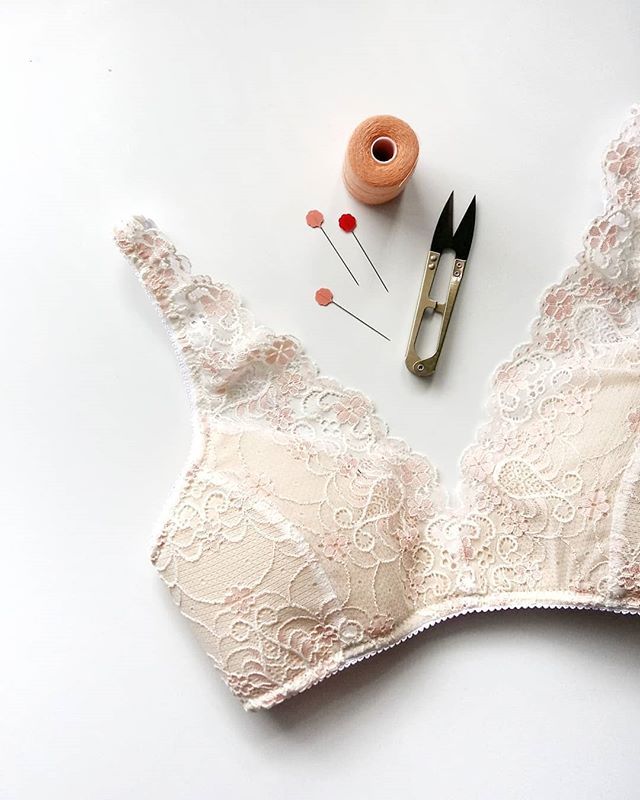
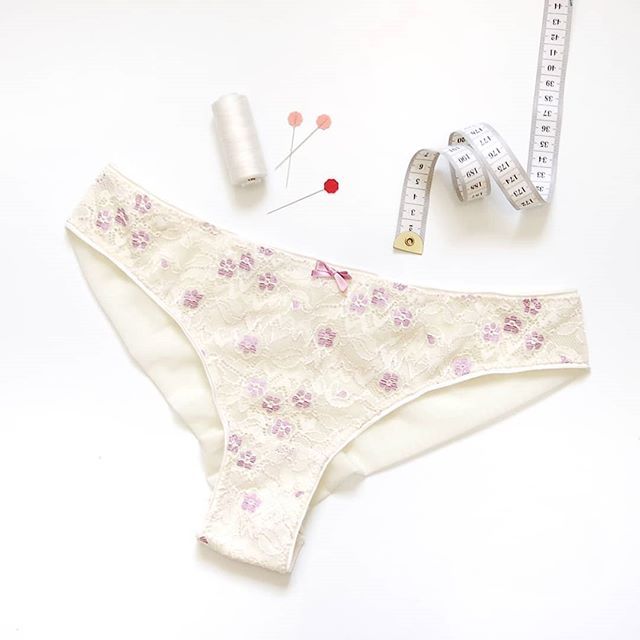
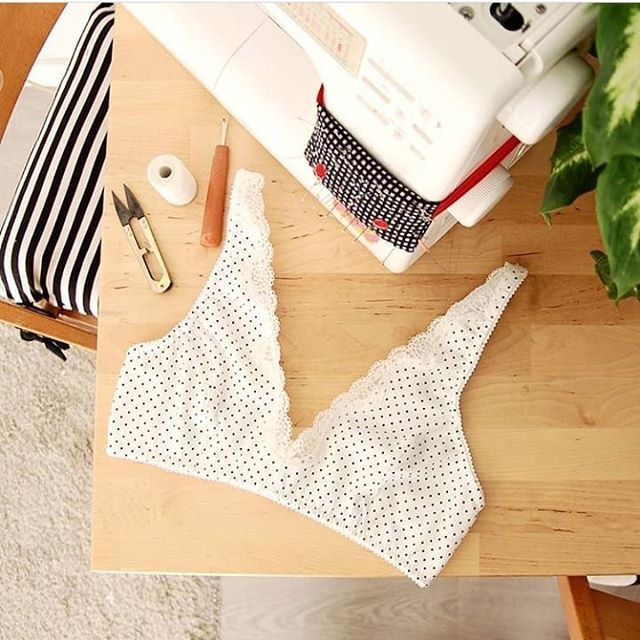
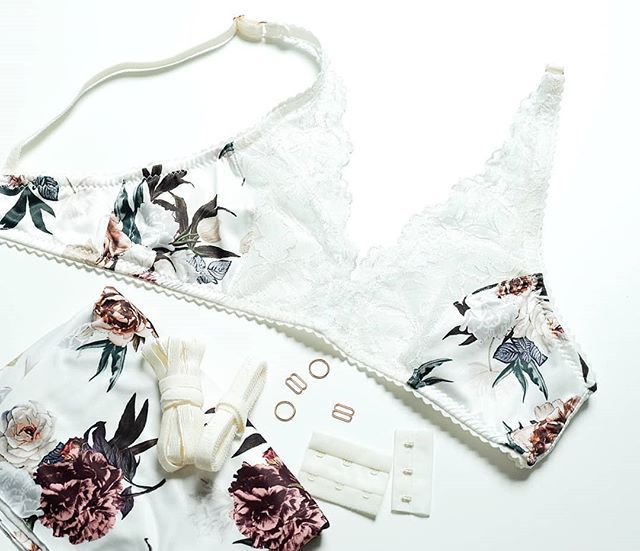
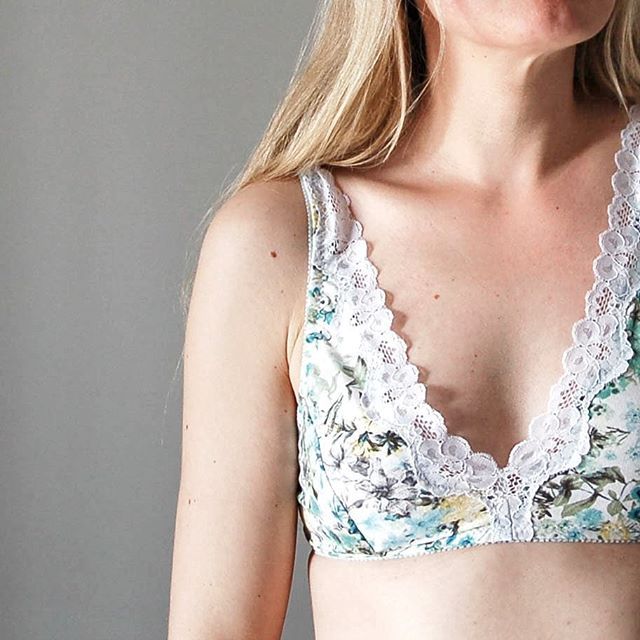
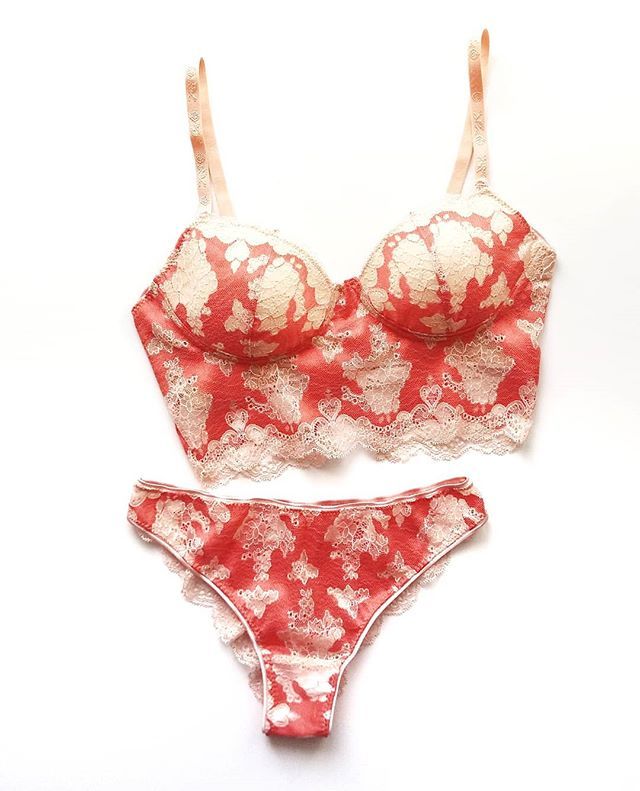
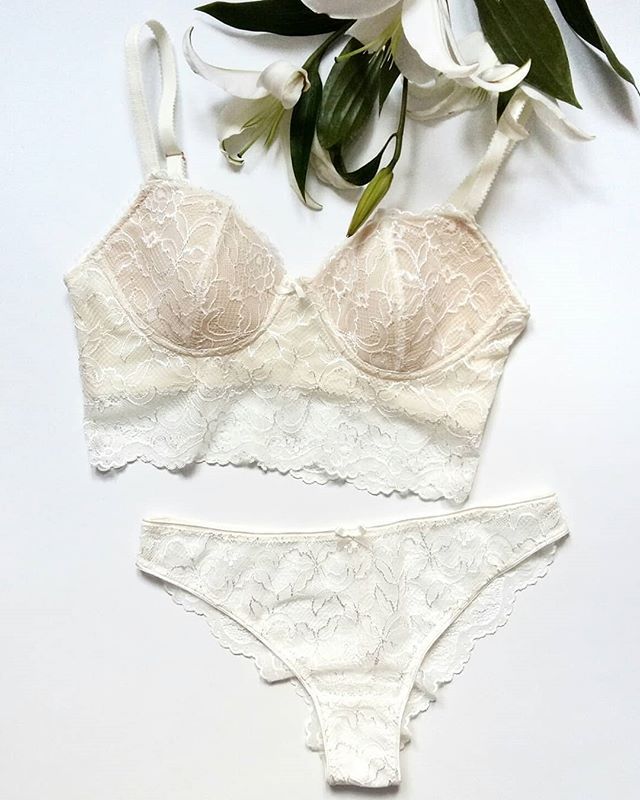
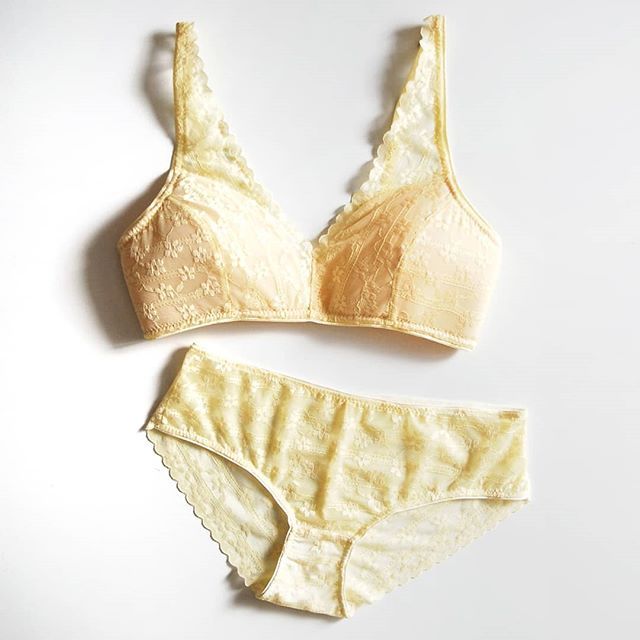
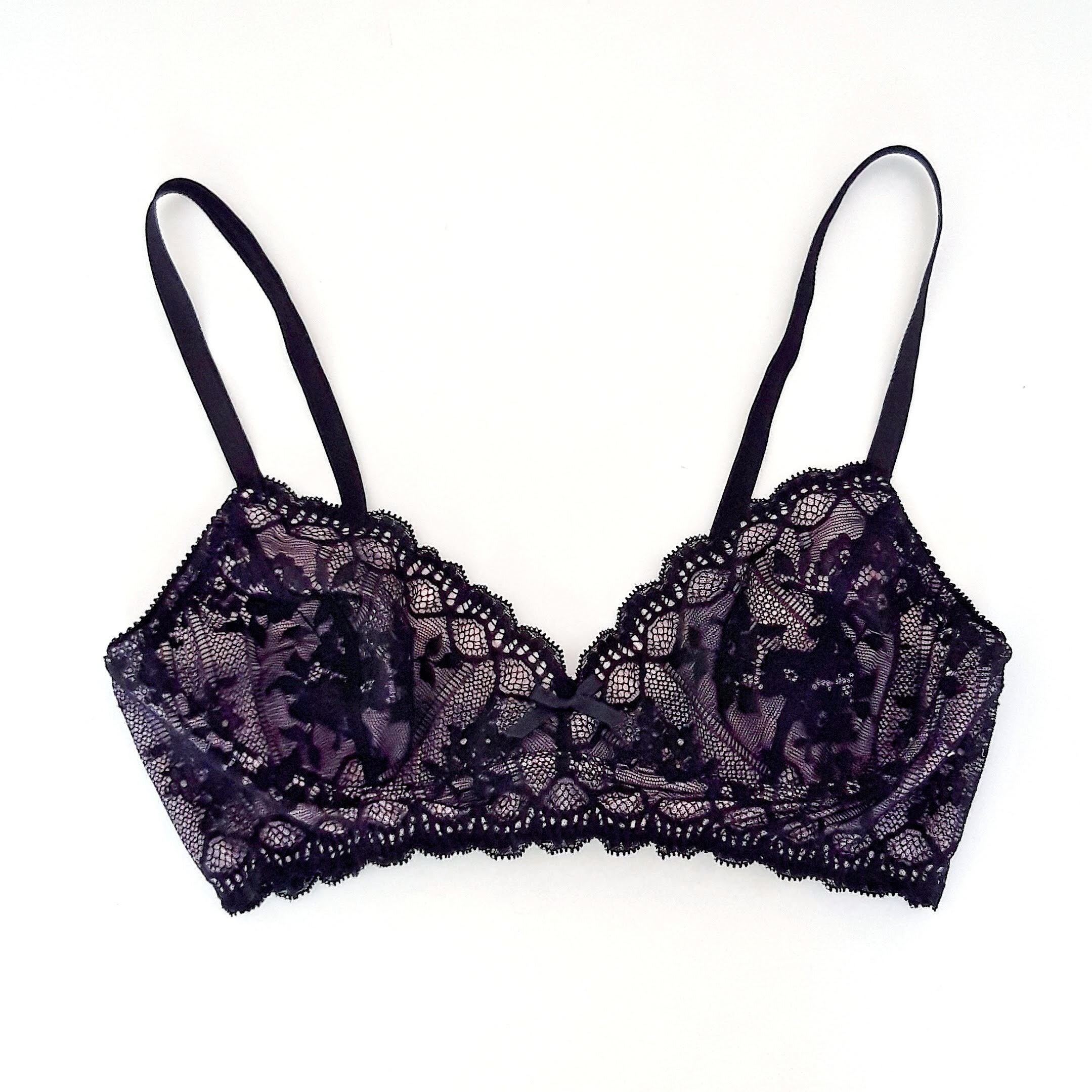
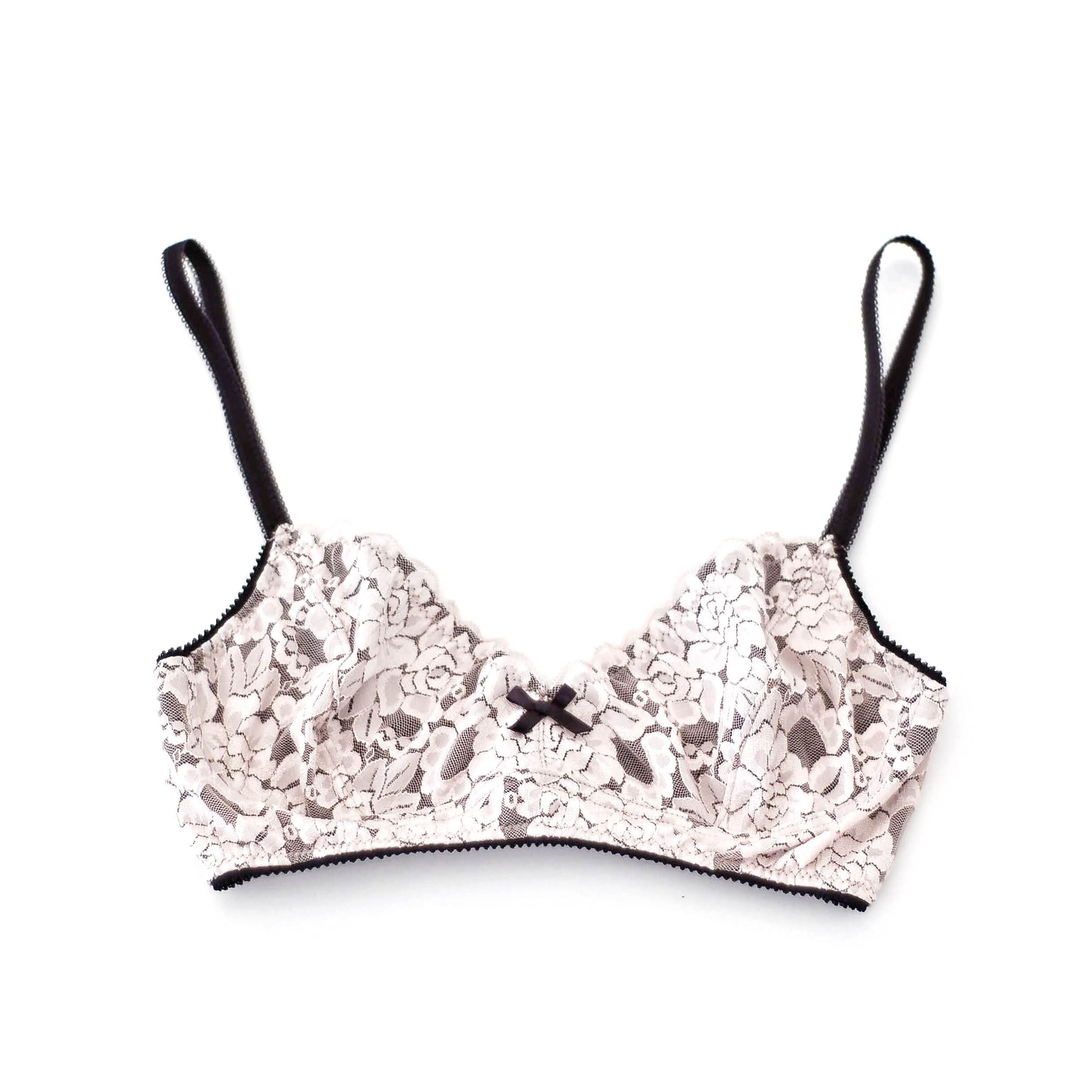
Este año he publicado tres patrones de lencería: el bralette Mara y las braguitas tipo bikini Vera y tipo tanga Lili. Aquí se ven algunas muestras y ejemplares cosidos para los coseconmigos. También han sido un par de encargos, muestras de los materiales de la tienda y muestras para las actualizaciones de los patrones.

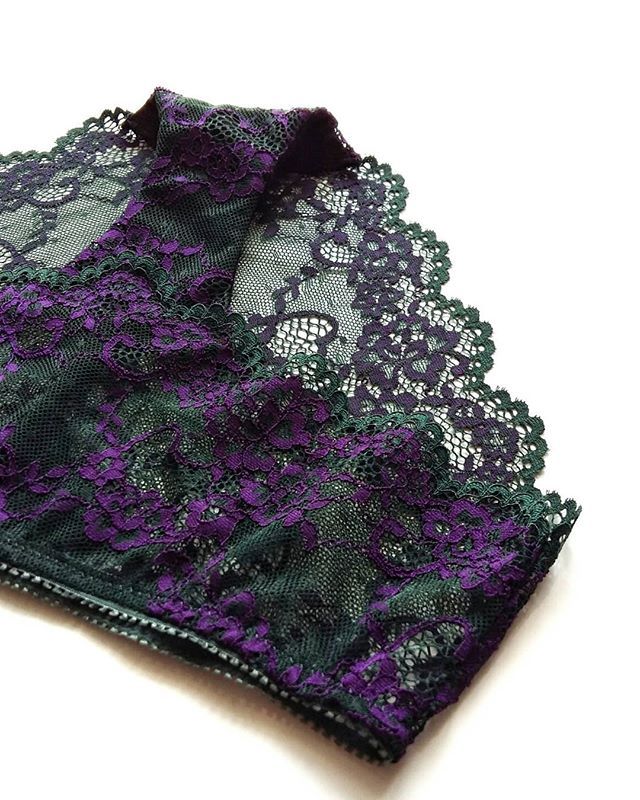
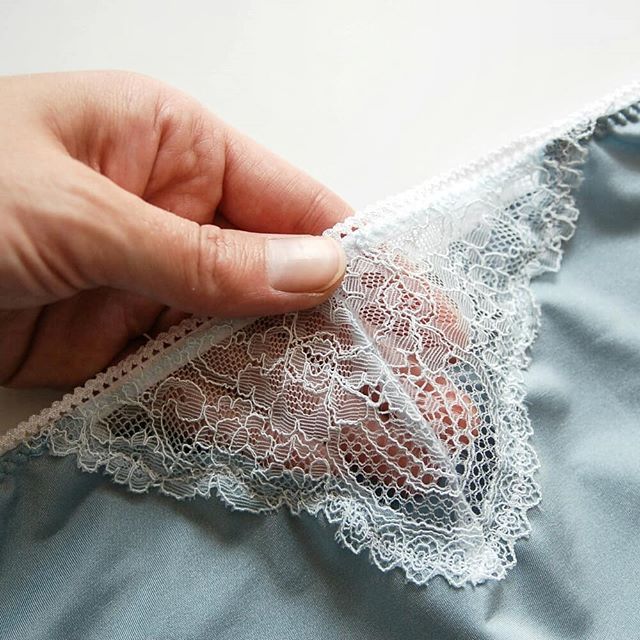
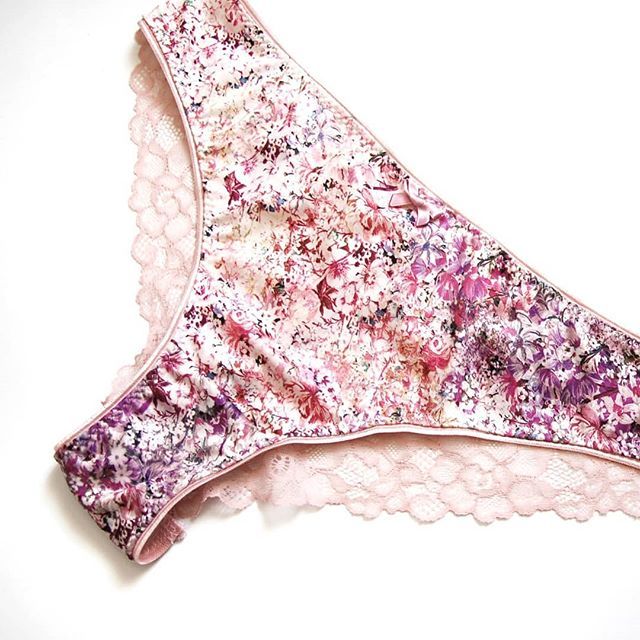
This year I’ve published three lingerie sewing patterns: Mara bralette, Vera bikini cut panties and Lili thong cut panties. Here you can see some samples of the patterns and other pairs made for sewalong posts. There have been some custom orders and shop samples + renewing the existing patterns so I’ve been making new samples.
tejer // knitting

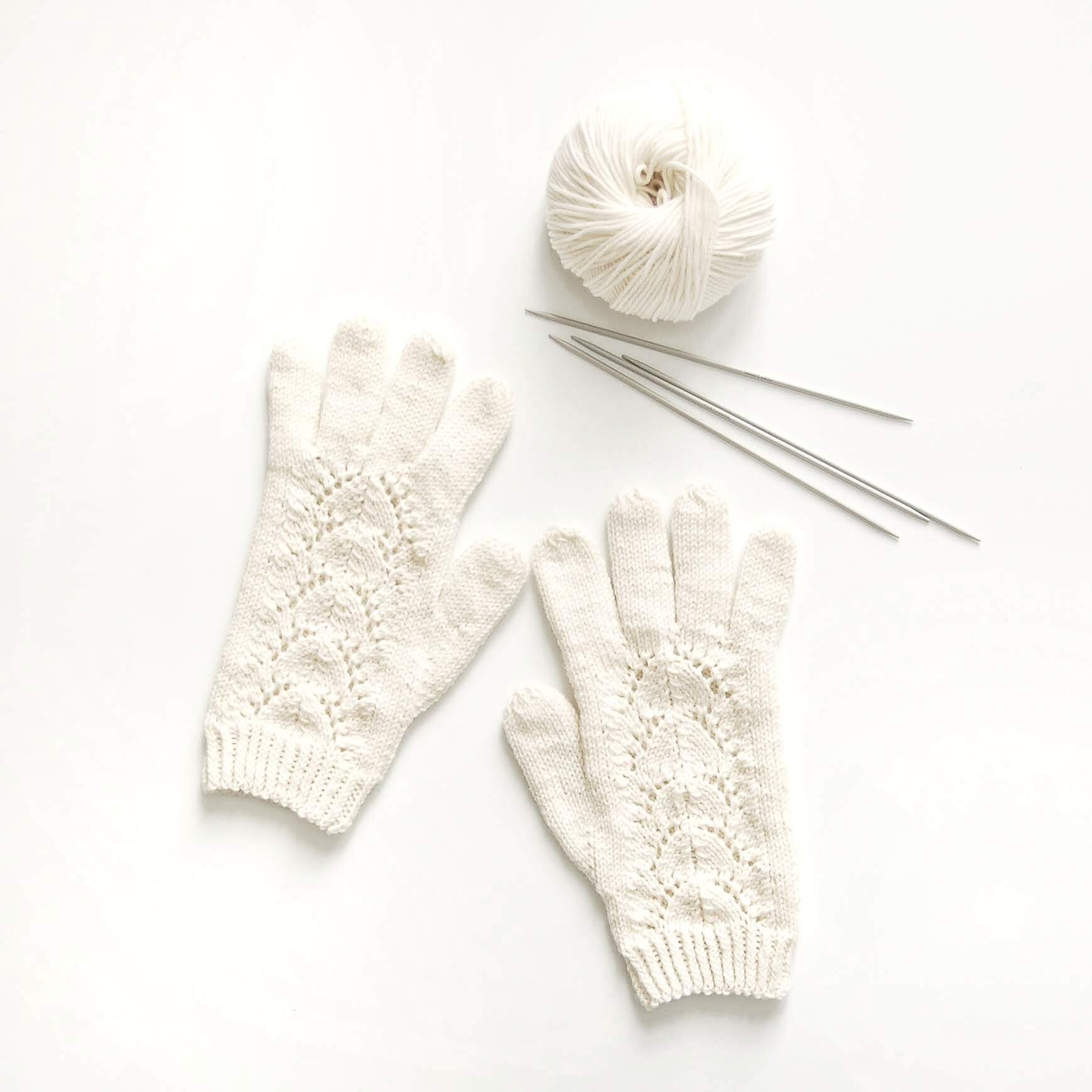
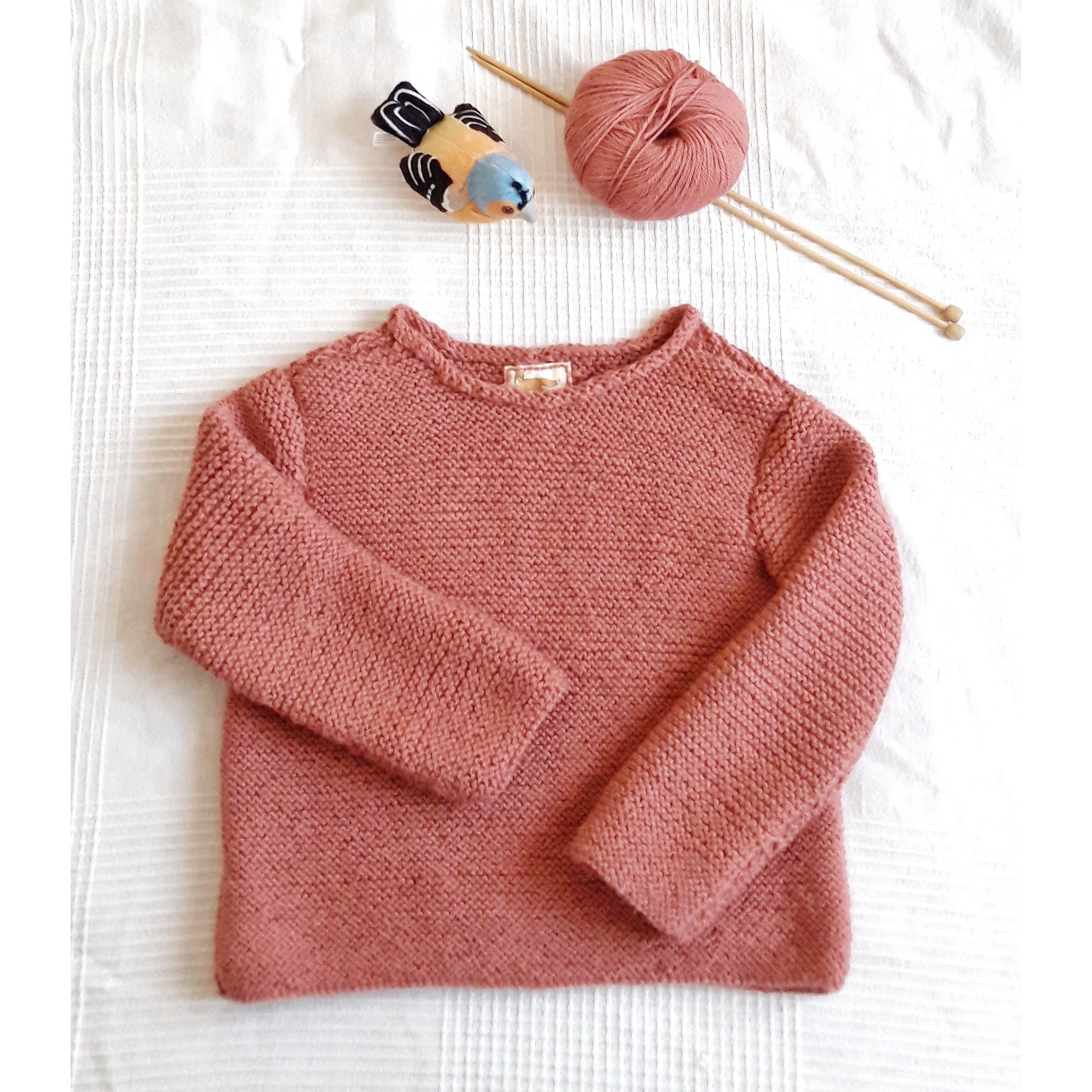
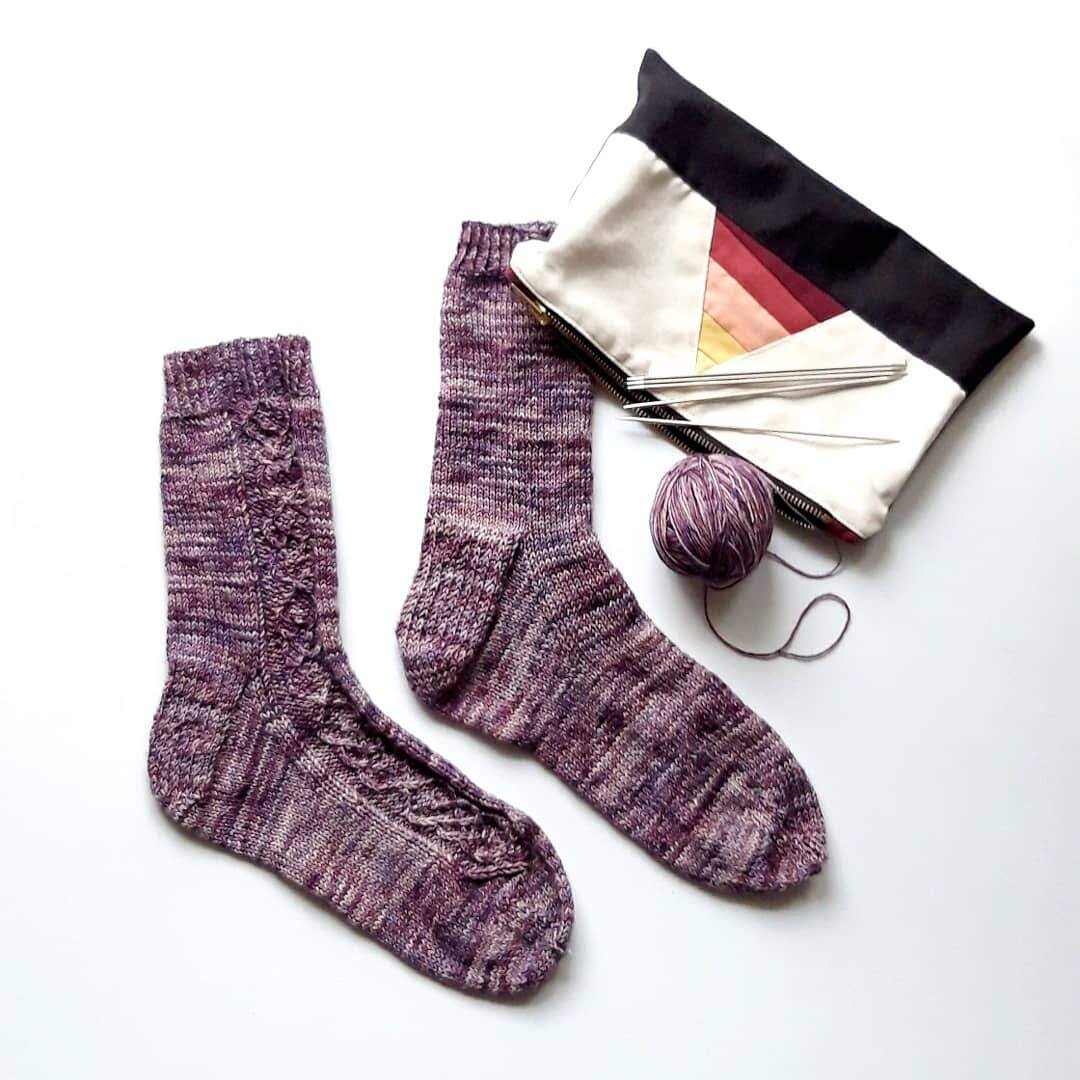
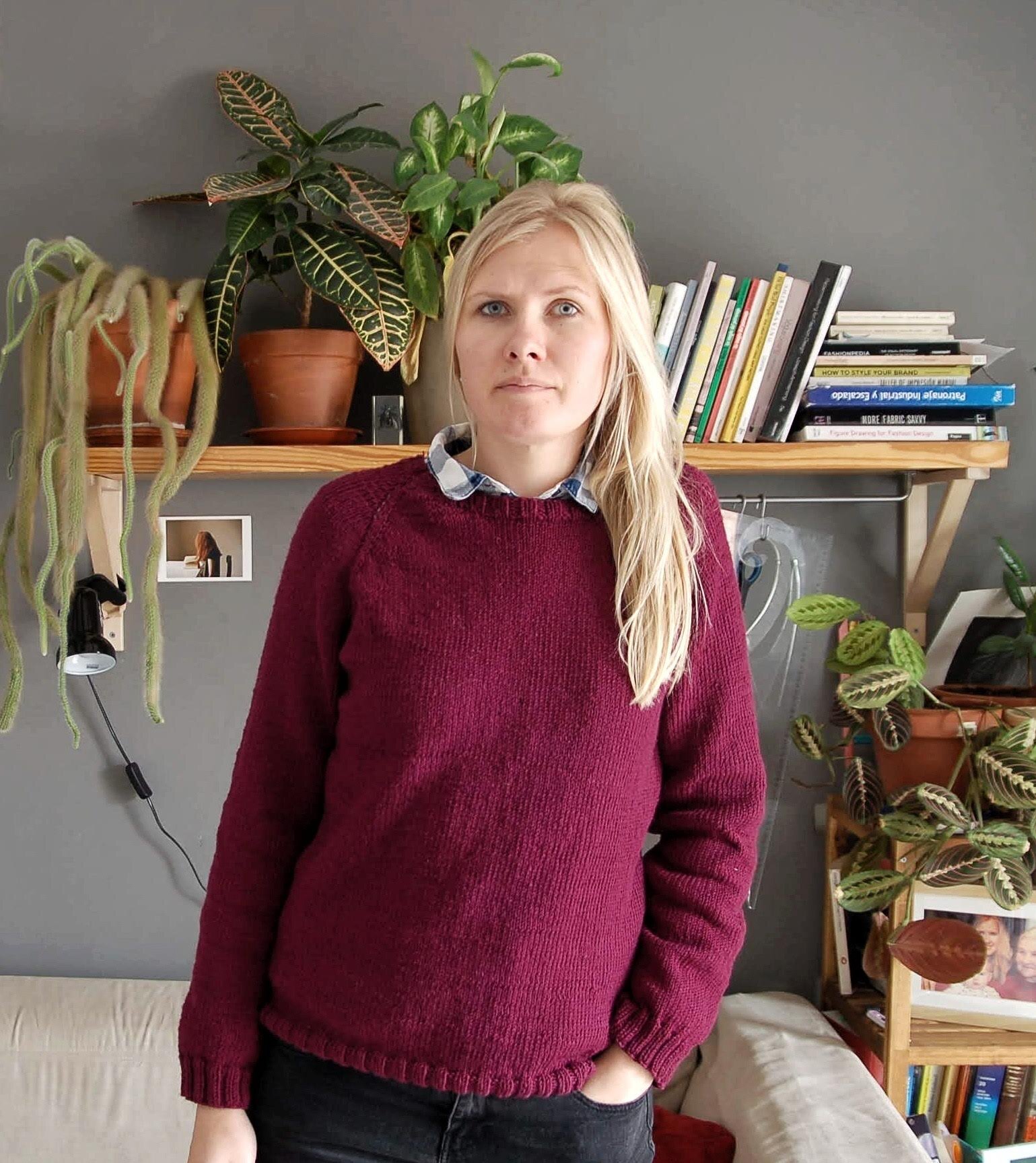
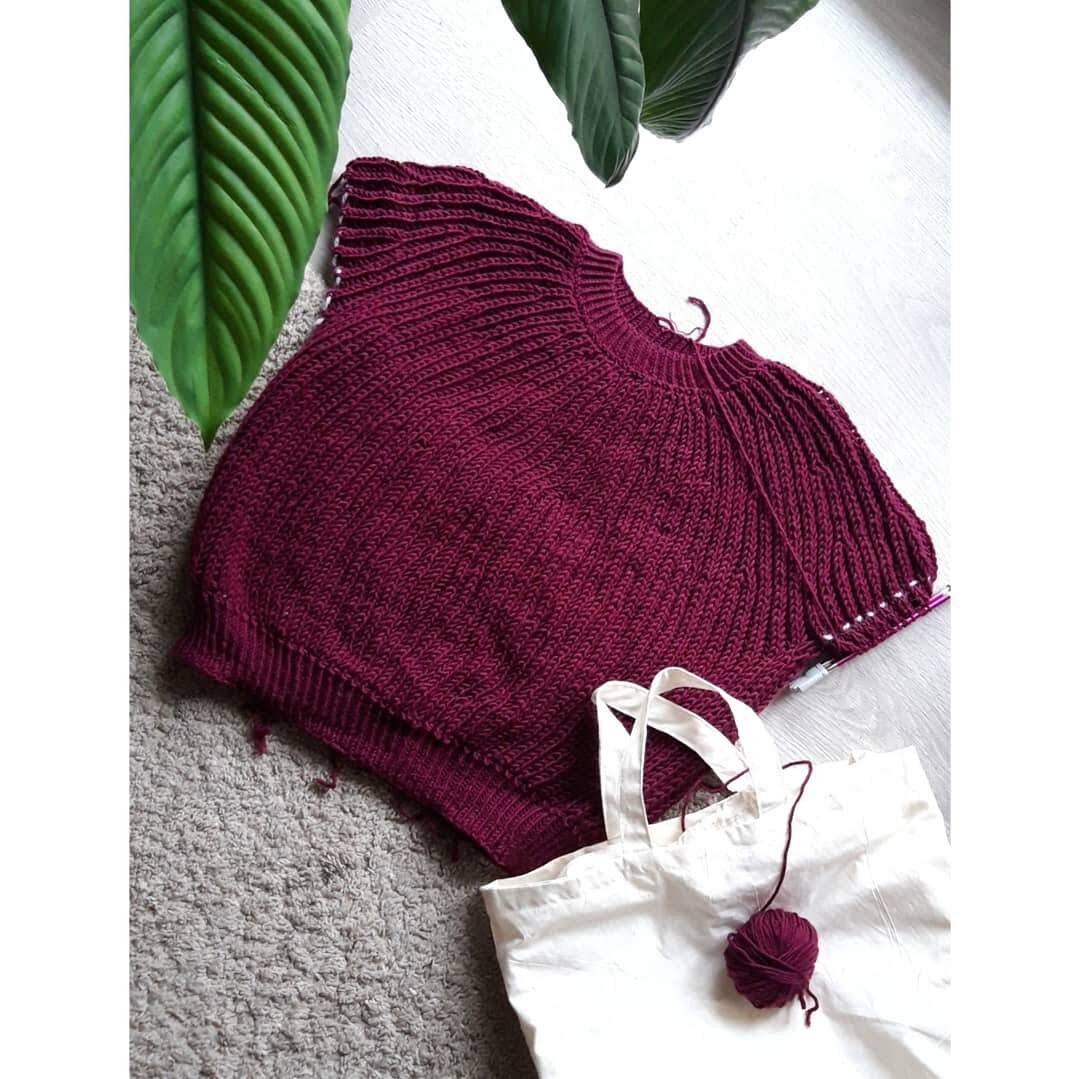
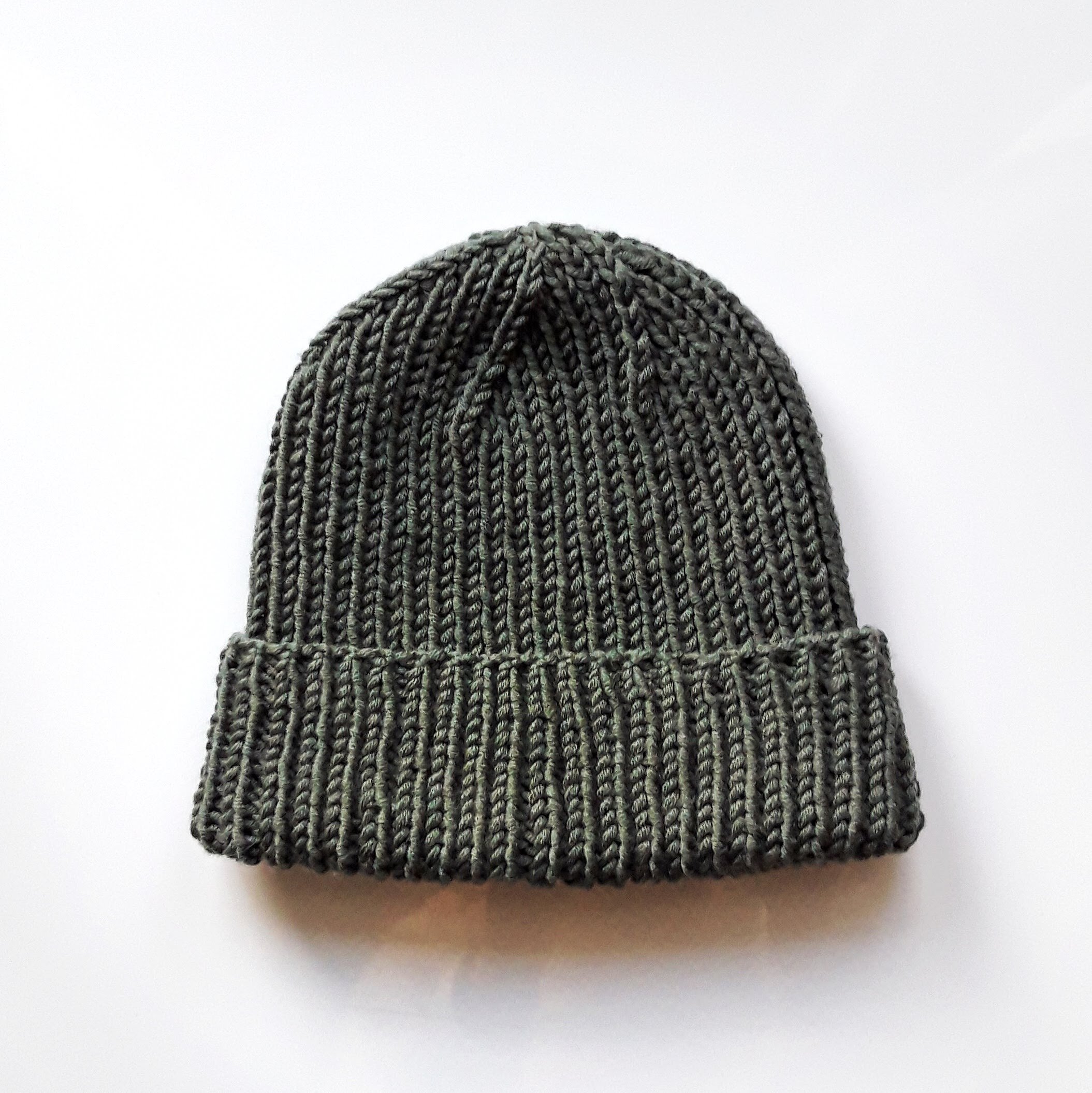
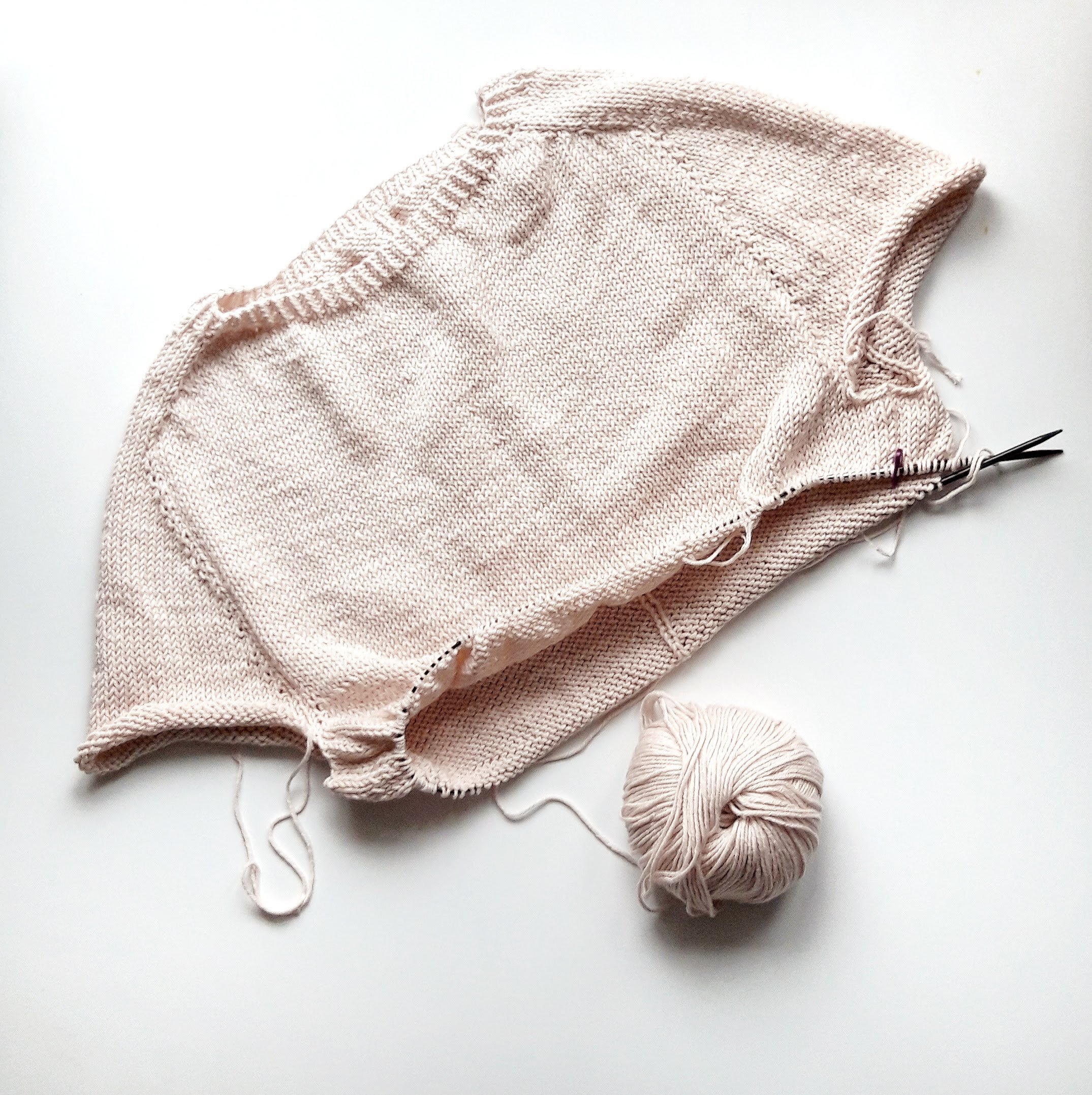
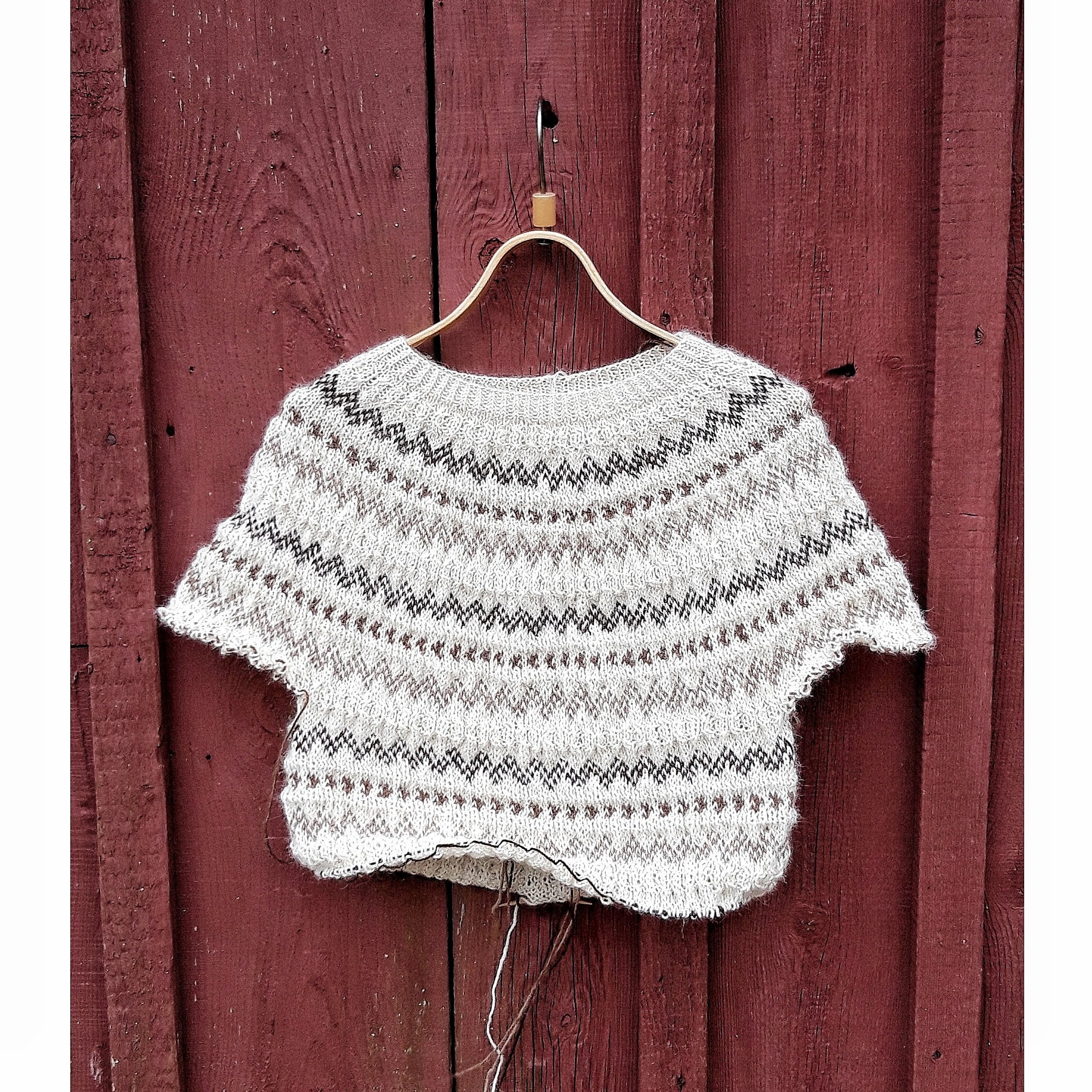
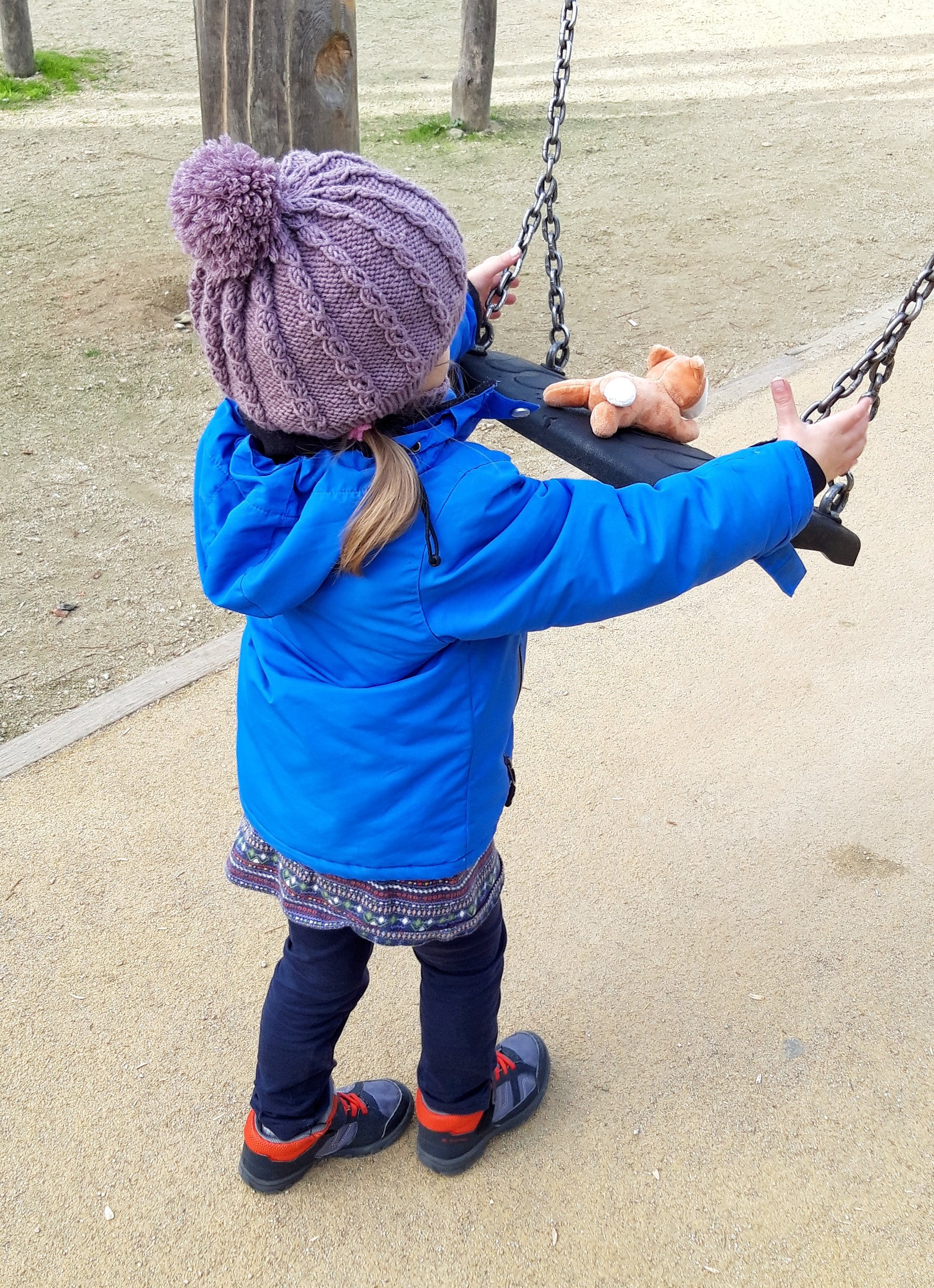
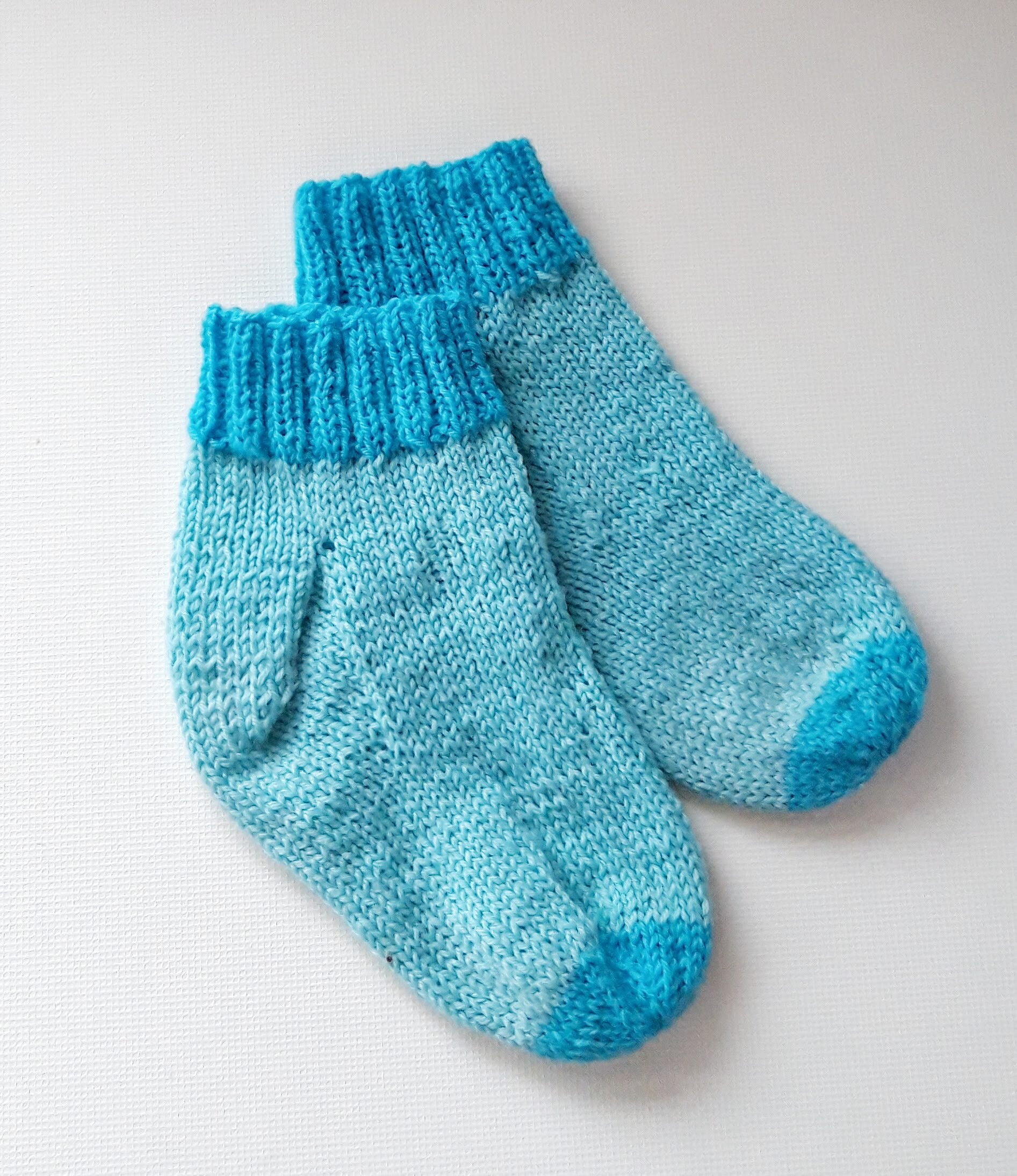
Algo que empecé en el final del año pasado y nunca llegué a publicar por aquí: todo el punto que ha conquistado mi vida, jaja. Desde que empecé no he parado y ya llevo bastantes cositas hechas. Para los detalles puedes ver mi página de Raverly. Aquí están las cosas que he tejido desde el noviembre 2018, algunas los he vuelto a tejer, algunos me los pongo todos los días y algunos están todavía a medias :)

Soemthing I started in teh end of 2018 but I never published here: how knitting has taken over my free time, hehe. Since I started I haven’t really stopped so there are quite many things I’ve finished during the past year :). To read about the details you can visit my Raverly page. Here are the things I’ve finished since November 2018: some I’ve unraveled to knit them again, some of them are worn on repeat and soma are still works in progress!
Así ha sido mi año en “labores”. La verdad es que estaba posponiendo este post un poco ya que en las últimas semanas no me he sentido muy motivada, aparte de que si hay que hacer algo con alguna fecha concreta siempre consigo dejarlo al último momento. Quizás ha sido el fin de un año intenso y ya necesitaba desconectarme de mi día a día para poder recuperar la energía necesaria para seguir.

Este año ha tenido de todo para mí…muchas cosas muy grandes de los cuales lo más grande seguramente ha sido poder trabajar con un proyecto tan inspirador como es la academia Historias Hiladas Madrid. Este año 2019 ha sido cuando más he trabajado en mi vida, cuando más horas he estado enseñado y cuando más me he reído en compañía de nuestras alumnas. Me paso más horas en este sitio que en mi propia casa y estoy feliz de poder trabajar en algo que me llena profundamente.

Mi propia marca de patrones ha crecido y las nuevas publicaciones de patrones han gustado, tengo más ideas para el año que viene y he podido compartir mi trabajo con muchas personas tanto en mis clases como viendo lo que hacéis en vuestras casas a través de redes como Instagram. Cada vez que veo que alguien ha cosido algo con algún patrón de Studio Costura Patterns me da una alegría muy grande.

Pero no todo en la vida es como lo que vemos en Instagram (bueno, y menos mal también!), hay muchas cosas que nos pasan, cosas que compartimos entre gente cercana…no soy muy de compartirlo todo en redes sociales, jaja. Empezar el proyecto de academia ha sido muy duro económicamente y me ha hecho cuestionar toda mi trayectoria laboral porque llevo ya varios años viviendo de costura, poco a poco haciendo crecer mi proyecto, y este año 2019 es el que más me ha costado con diferencia. Piensas que ya has llegado a una cierta estabilidad, aunque sea muy poca, y entonces tomas unas decisiones y le das la vuelta a todo, vuelves a empezar y apuestas por una oportunidad que puede salir bien o puede superarte, todavía no lo sabes pero mientras tanto hay que vivir y hay que comer. Hubo momentos durante este año cuando tenía muy muy claro que no cambiaría todo esto por nada en el mundo…también hubo momentos cuando lo único que quería hacer era coger mis cuatro cosas e huir o inventar una máquina de tiempo para volver a aquel entonces cuando tenía 18 años y hacer otro tipo de elecciones para no estar en una situación de incertidumbre como lo de ahora.

En fin…cuando me puse hacer este post hoy, sin muchas ganas la verdad, me di cuenta al pasar por todas las fotos del 2019 que he hecho muchas cosas. Aunque las últimas semanas me han hecho sentir un poco de bajón y por eso tampoco he visto mucho progreso en mi trabajo (cosa que automáticamente me hace sentir que no hay progreso NUNCA, lógico, no??), hoy he vuelto a ver lo importante que es mirar el plano grande y no quedarte todo el rato en los detalles de día a día. Porque hay días mejores y luego hay días no tan buenos…pero creo que en general vamos bien si hacemos balance, supongo que la palabra que resume este año ha sido “extremos”. Así que aquí lo dejo y espero que 2020 traiga más costura, más punto y no me importaría un poco más de estabilidad, jaja. Gracias por estar aquí! Espero que vuestro año también ha sido lleno de cosas buenas que recordar (y que por lo menos las cosas buenas han superado las cosas no tan buenas!), nos vemos en el 2020!!!


So this has been my “craft year”. I was postponing this post as I haven’t been very motivated during the past weeks…and of course I’m an expert in doing things once there’s literally no more time left. Maybe it has been the end of a very intense year and I needed a break to recharge in order to continue.

This year has had lots of big things for me and certainly the biggest has been the opportunity to work in the sewing academy Historias Hiladas Madrid. 2019 has been the year when I’ve worked the most in my whole life, I’ve never been teaching more hours and I’ve never laughed so much as I did in these classes. I litearlly spend more time there than in my own house, I feel very lucky to be able to work on something that really fills up my soul.

My own pattern line has been growing and people have been liking the new patterns. I have lots of plans for the coming year and I’ve been able to share my work with many students and it hs been wonderful to see people sewing with my patterns through social media like Instagram. Every time I see someone who has chosen Studio Costura Patterns I feel very proud!

But not everything in life is like we see it on Instagram (and that really is a good thing!), there are many things we only share with the closest to us. I don’t really feel comfortable with sharing all of those moments on social media, hehe. This year with starting the academy project has been financially so difficult. I’ve been questioning my whole professional career (this sounds more professional than it is actually, haha)…I’ve been working full time with sewing for the past years, little by little growing my project, and this 2019 has been the most difficult year so far to be honest. You think you’ve made it into some kind of stability, even if it’s just a little bit, you then make some decisions and turn things over, start again and you don’t know if it will be OK or it will be too hard…and you still have to live and you still have to eat while you figure all that out. There were moments during this year when I knew I wouldn’t change my life for anything…and there were moments where I really wanted to run away or invent a time machine to go back to when I was 18 so I would have made other decisions and I wouldn’t be in this unstable postion right now.

So…when I started to pass through all the photos from 2019 to write this post today I saw that I actually have made quite some stuff happen. Altough I’ve been feeling a bit low during these past weeks and I have felt that I haven’t progressed on my work (which obviously means that I feel that I NEVER make any progress, haha), writing this post has made me remember to look at the big picture again. Because it’s so easy to get stuck in a day and forget that it’s all way bigger than today and it’s all way bigger than todays feelings. Because when I see the balance I see that we’re pretty good…it’s just that the word for this 2019 has been “extremes” for me. So for the 2020 I hope there will be more sewing, more knitting and let’s just say I hope there will be more stability :) Thanks for reading! I hope your year has been full of nice things to remember (or at least I hope that these nice things will be more memorable than those not so nice things)! See you over here in 2020!

www.studiocostura.com
 

Chaquetas de softshell // Softshell jackets

 
www.studiocostura.com

Justo para cuando ha llegado el otoño…o bueno, de hecho para hoy ya parece que ha llegado el invierno, jaja…he terminado la chaqueta de softshell para mi niña. Además no he publicado aquí las fotos de mi chaqueta, también de softshell, que hice este verano así que aprovecho ya ya escribo sobre los dos.

Just in time for fall…or well, today it seems like for the winter, hehe…I finished the softshell jacket for my daughter. I also haven’t posted the photos of my own softshell jacket I made in August so here goes a post about both.

www.studiocostura.com

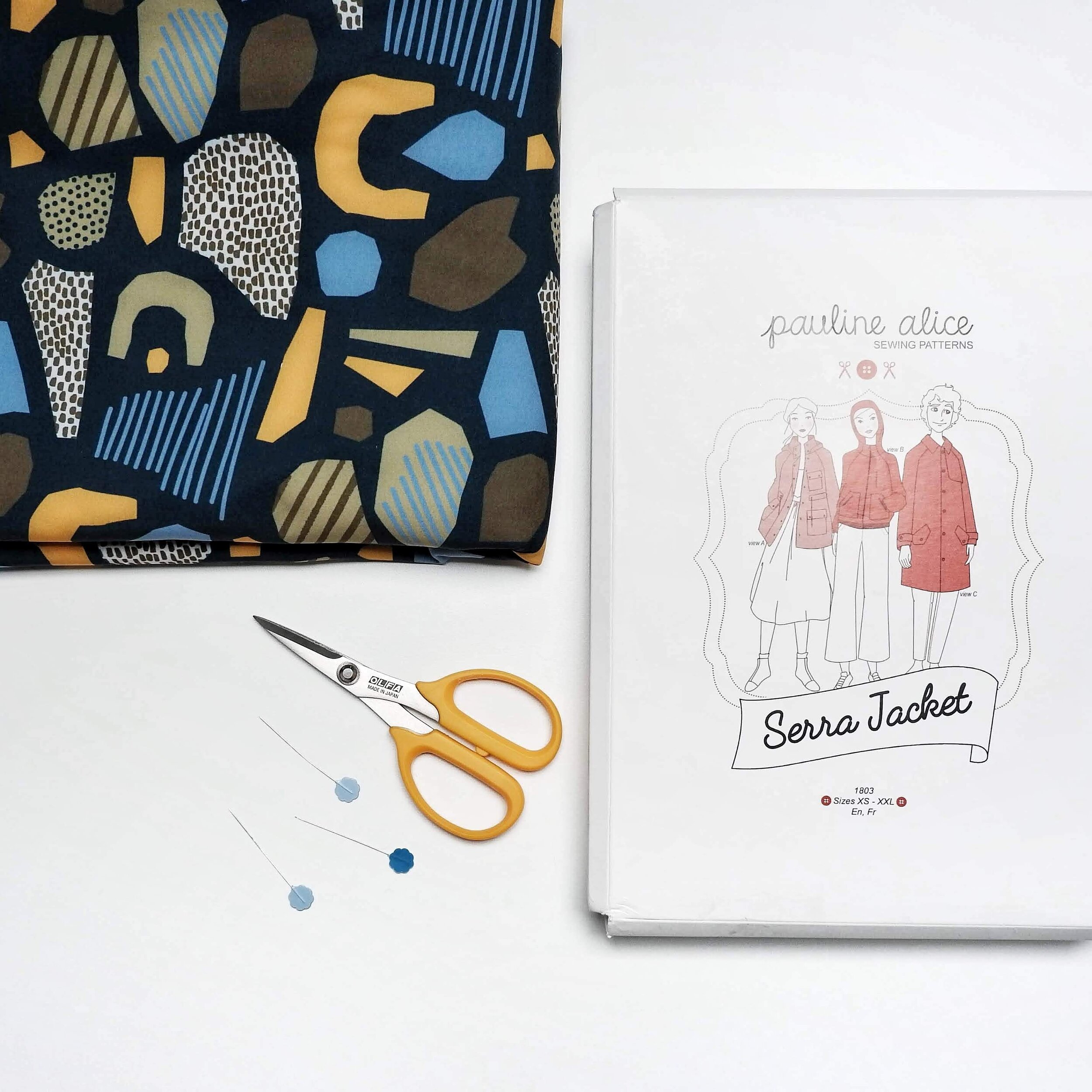
Para empezar: el primero que hice, mi chaqueta de softshell. Por una parte hace tiempo que quería hacerme una chaqueta con este tejido ya que no tenía en mi armario un modelo así más deportivo pero al mismo tiempo calentito para el entretiempo (después de hacer esta chaqueta para Lia que me encantó!). Por otra parte cuando Pauline Alice publicó su patrón Serra Jacket sabía que quería hacerlo sí o sí. Pauline fue tan generosa y nos mandó varios patrones en formato papel a la academia cuando tuvimos la inauguración y me mandó también a mí este patrón, así que estaba de suerte para completar el proyecto. Al principio pensaba usar otro tipo de tela para este patrón, algo más como tipo "plástico” en el sentido que fuera como cortavientos ligero…o quizás algodón encerado para un poco más de forma. Pero este verano en Estonia encontré este softshell que tiene un estampado muy bonito…un poco con aires africanos pero aún así geométrico, de colores pero los colores justos, demasiado llamativo para mi estilo pero aún así lo elegí, jaja.

First off: the first one I finished, my softshell jacket. I wanted to make myself a jacket with softshell fabric for some time already, a sporty style with warm lining like this was missing from my closet (and after making this jacket for Lia I knew I wanted to make one for myself!). So when Pauline Alice published the Serra jacket pattern I knew I wanted to make one for sure. Pauline was so generous when she sent us paper copies of her patterns for the sewing academy opening event, she even specifically sent me the Serra pattern so I was prepared to make this project happen. At first I was thinking about using another type of fabric for this jacket, something more like a “plastic” for a windbreaker look…or maybe a waxed canvas for a sturdier look. But this summer in Estonia I found this pretty softshell print…it has a bit of African vibes while still being geometric, it’s slightly colorful but just enough for me, probably it’s too “wild” for my neutral closet but I bought it anyway, haha.

www.studiocostura.com

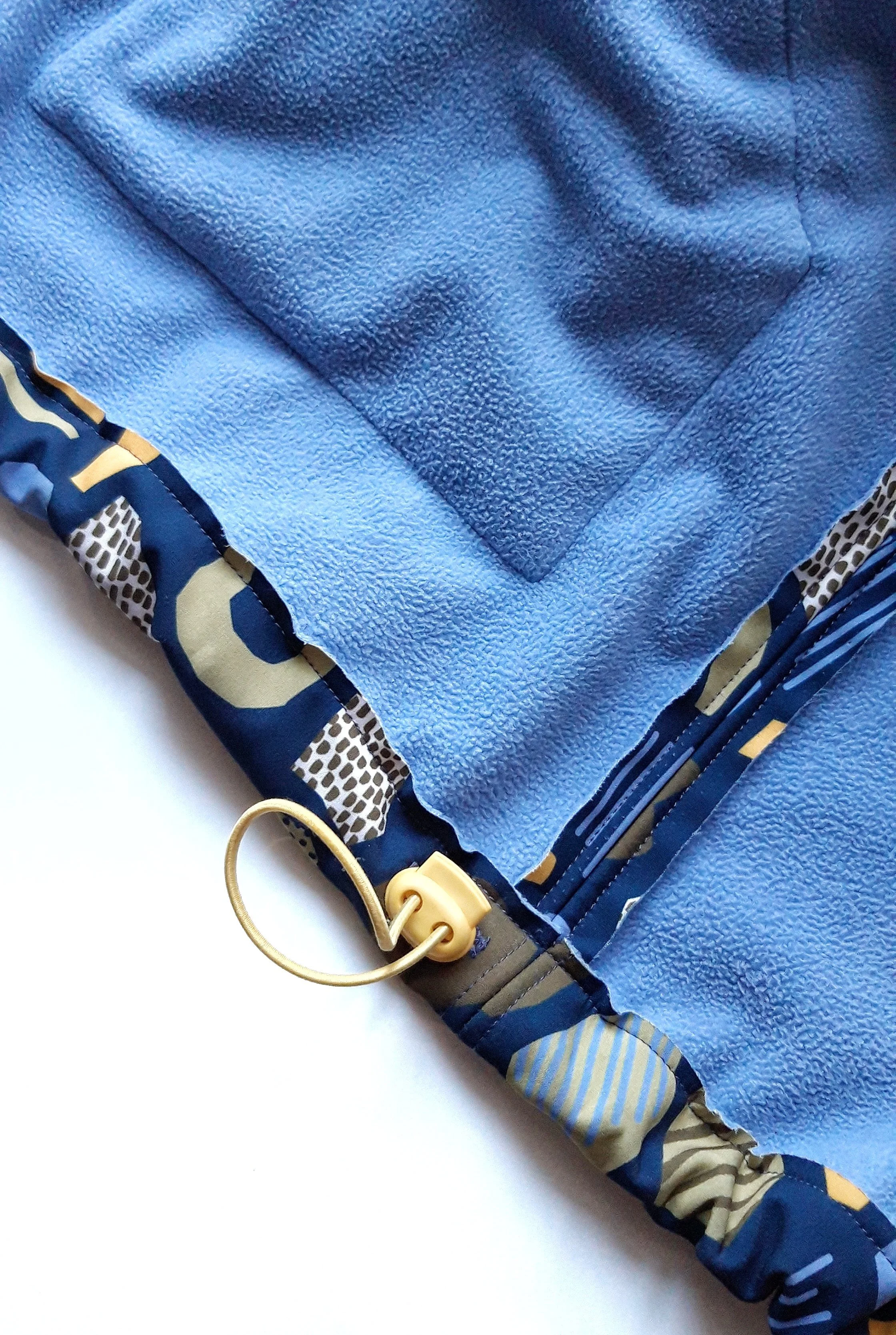
Este patrón en la versión 3 realmente está hecho con forro y pensado más para telas algo más ligeras que softshell diría yo, o por lo menos si esperas el resultado como en las fotos del patrón. Pero se puede hacer con softshell perfectamente y yo estoy muy contenta con el resultado. De los cambios que hice voy a intentar recordar qué eran exactamente porque lo cosí en agosto y como no apunté nada…así vamos, jeje. Lo primero que no corté el forro porque softshell ya es una tela con dos capas (está como directamente forrada con un polar finito). El bajo lo hice un poco con forma aunque se ve muy poco, lo dejé un pelín más largo en la espalda. Las mangas creo que las hice algo más largas porque eso lo hago siempre y usé el puño de punto para rematarlas de la forma que no entre frío allí.

Version 3 of this pattern is drafted with a lining in mind and I’d say that you should use drapier fabrics in order to make a jacket like the one shown on the photos that illustrate the pattern. But you can use softshell and I’m very happy with how this jacket came out. I will try to remember the modifications I made to the pattern but as I sewed it back in August I won’t remember everyting, hehe. I didn’t cut the lining pieces as softshell is lined (there’s the interior light fleece lining directly attatched to the fabric). I left the hemline slightly longer on the back, you can barely see it actually. I probably lenghtened the sleeves as this is what I always do and I used knit ribbing for the cuffs to make the sleeves extra warm.

www.studiocostura.com

En la capucha en vez de la vista le puse bies que me sirvió también de “tunel” para poner el cordón elástico. No tenía las partes metálicas que suelen llevar este tipo de prendas para los cordones así que hice ojales a máquina, dos en un lado de la capucha y dos en el otro lado.

Instead of using facings for the hood I used a bias tape which also worked well for the “tunnel” I needed to create in order to instert the elastic cord. I didn’t have the metallic parts that these type of jackets usually have to insert the cords so I just made buttonholes instead, two on one side of the hood and two on the other side.

www.studiocostura.com

Lo mismo con el bajo, en el dobladillo del bajo puse el cordón elástico para poder ajustar el bajo en el caso de querer hacerlo e hice ojales también en la parte de los costados para sacar el cordón. Por una coincidencia encontré la cremallera del color que quería, de marca Barbour (será resto de stock), así que confiamos que sea de una calidad muy alta, jaja. También está el pequeño detalle de etiqueta esta vez, el patrón de Pauline venía con esta etiqueta que cosí en la parte del cuello.

Estoy muy contenta con esta chaqueta porque soy muy friolera así que con la chaqueta + un jersey fino abajo he estado muy a gusto en estos días de “entretiempo”…que ya sé, que son dos días en Madrid. Para mí no es algo que me voy a poner en el invierno pero quizás para la gente que tiene menos frío vale incluso para el invierno con un jersey bueno debajo.

The same thing with the hemline: I made buttonholes close to the side seams to insert the elastic cord, this way I can adjust the fit of the hem. By a coincidence I found a matching color Barbour zipper (probably dead stock from manufacturing), hopefully it has the best quality, hehe. There’s also this little label detail, Pauline had sent this label with her sewing pattern.

I’m very happy with the jacket as I feel cold all the time so I’ve been using it with a light pullover underneith and it has been perfect for this fall…which unfortunately lasts only a couple of days here in Madrid, haha. I wouldn’t use this jacket in the winter but someone who isn’t that afraid of cold could get away with using it with a good pullover underneith.

www.studiocostura.com

De talla elegí la S según mi medida de pecho, yo normalmente soy más bien un M o un 40 de talla. Y el modelo a mí me va muy bien, tiene el ancho exacto que quería en este tipo de chaqueta. La única cosa que no me convence 100% en la capucha…es muy grande y me tapa los ojos cuando me lo pongo! Y mira que yo soy muy pro capuchas grandes y lo veía genial cuando lo corté…pero me resulta un poco grande, tengo que ajustar bien los cordones y apretarlo contra la cabeza para ver algo, jaja.

Más sobre chaquetas: ahora estoy terminando la chaqueta de “lona” tipo work jacket, me faltan los botones (se ve en la foto de abajo) y también voy a hacer el Berlin jacket con lana hervida…este otoño es de chaquetas para mí, a ver si termino todas para tenerlo ya hecho para el año que viene, jeje. Aunque hay que decir que las chaquetas tienen algo para mí que siempre me llaman, por ejemplo me encantaría hacer este cortavientos en algodón encerado y este nuevo patrón reversible de Pauline Alice me está llamando también muchísimo!
I chose the size S according to my bust measurement, I’m normally an M or 40. The sizing is perfect for me, it’s exactly as loose as I need it to be and as I’ve used the elastic cords on the hem I can also asjust the fit. The only thing I’m not so happy about is the hood…it’s very big and when I wear it, it covers my eyes! And I’m definitely team big hoods and I really liked the idea when I was cutting out the pieces…but it’s definitely too big for me, I have to adjust the elastics to get it to “sit” on my head in order to see where I walk, haha.

More about jackets: at the moment I’m finishing a canvas jacket, only the buttons left, and I’ll also sew a Berlin jacket with a boiled wool I have in my stash…this fall is defintely about jackets for me, hopefully I’ll finish all of them and this way I’ll have everything ready for the next year, hehe. But I have to admit that there’s something about jackets that always makes me want to sew them, for example I’d like to make this windbreaker in waxed canvas and this new reversible jacket pattern from Pauline Alice looks just beautiful!

www.studiocostura.com

Por otra parte entonces la chaqueta de Lia. En la primavera pasada se puso las últimas veces esta chaqueta de softshell que era monísimo pero ya le quedó pequeño! Así que yo ya tenía una tela comprada para hacerle la siguiente talla pero resulta que una de mis alumnas, Elena, había cortado una para su hijo y no le valía de talla así que me dio el cuerpo unido y la tela para que lo termine…medio trabajo hecho! Ella había usado el patrón de sudadera del Ottobre Design 4/2018 pero al no darle suficiente margen extra no le valía a su hijo. Yo normalmente prefiero usar patrones específicos de chaquetas para hacerlos con softshell pero podéis usar también patrones de sudaderas…lo que pasa es que estos patrones son para telas de punto (normalmente elásticas) y no tienen tanto desahogo así que puede que el resultado es una prenda demasiada pequeña para usarlo como chaqueta (donde normalmente quieres poner algo de manga larga debajo también), me pasó con esta primera chaqueta de softshell que le quedó pequeño muy rápido. Así que nada, esta chaqueta lo rescaté yo para Lia. La tela es de Cal Joan y me gusta mucho el estampado…para hacerlo un pelín más alegre le añadí los detalles en amarillo mostaza ya que tenía puño de este color.

And about Lias jacket. She wore her other softshell jacket for the last time this past spring, it was so cute but she grew out of it! So I already had another fabric prepared for this project when one of my students, Elena, made a jacket for her son and when trying the bodice pieces on she saw that it was too small for him. So she gave me the sewn body and sleeves + the fabric to finish the jacket. She used the hoodie pattern from Ottobre Design 4/2018 but she didn’t add enough ease and it was too small for her son. I usually try to use speficic jacket patterns when working with softshell but you can also use hoodie patterns…the thing is that these patterns are made for knit fabrics (usually with spandex) and you need to add ease or go up at least 1-2 sizes, otherwise the result is a garment that will be too close fitted to wear it over other long sleeved garments (like a jacket), it happened to me with this first softshell jacket I made, she grew out of it so fast!

So I rescued this jacket for Lia. The fabric is from Cal Joan and I really like the print…to make it a bit brighter I used the details in mustard yellow as I had a rib knit for the cuffs in this color.

www.studiocostura.com

Esta chaqueta está terminado de la manera muy similar como la mía. No le puse el cordón elástico en el bajo ya que no creo que lo use y en la capucha usé un cordón normal porque en Pontejos no había uno elástico en este color. Debajo de la cremallera igual que en mi chaqueta lleva una tapeta extra que es simplemente tela doble a la medida de la cremallera, con los dos extremos cortos previamente cosidos entre sí. Todas las costuras están abiertas y les hice pespunte encima en los dos lados desde el derecho para que se queden más planos y la única costura tapada es la de unión de cuello con la capucha donde usé cinta de bies y de paso también hice una tira para poder colgar la chaqueta. Esta vez no usé bies en la parte de la capucha donde puse el cordón porque no tenía suficiente bies así que corté vistas del mismo softshell y allí es donde metí el cordón.

This jacket is made in a way that is very similar to my other jacket. I didn’t use the elastic cord on the hem as I thought I won’t use it anyway. The hood is adjusted with a normal cord, not an elastic cord as there wasn’t a suitable color available here. Like on my jacket, the zipper has a placket sewn under using a double layer of the fabric (with the short ends prviously sewn together). All the seams are openend up and topstitched on both sides from the right side of the garment. The only seam that is covered with bias tape is the union of the neck and the hood, I also used a strip of bias to make a loop for easy hanging.. This time I didn’t use bias tape for the hood “tunnel” as I didn’t have enough tape, I instead cut the facings according to the hood pattern pieces and put the cord inside there.

www.studiocostura.com

Ha quedado super mono y de talla perfecta, espero que puede ponerlo por lo menos durante este año escolar y con suerte tiramos hasta el otoño que viene, jeje.

The result si super cute and the size is perfect, I hope she can wear it at least during this school year and hopefull also next fall if I’m lucky, hehe.

www.studiocostura.com

Esta niña se me está haciendo super grande ya…esta semana cumple 5 años!!!

This girl is getting so big already…it’s her 5th birthday this week!!!

www.studiocostura.com

Quería aprovechar que las dos llevamos nuestras chaquetas para hacer una foto las dos juntas pero entre todas las fotos no hay ni una donde las dos salimos con una sonrisa y ojos abiertos a la vez, jaja. Así que aquí va una con Lia muy bonita y yo con cara de “ pero qué estás haciendo loca?”.

I wanted to get some photos of both of us wearing our jackets together this weekend but there were none that would feature both of us either smiling or with eyes open at the same time, haha. So here goes one with Lias pretty face and my “what are you doing you crazy kid?”expression.

www.studiocostura.com

Ah y para terminar ya el post voy a aprovechar y subo esta foto del jersey que también terminé este finde para Lia…hecho con alpaca y mucho amor, los detalles están en mi página de Raverly :)

Oh and to wrap this post up I’ll also show you this sweater I made for Lia and finsihed this weekend…made with alpaca and lots of love, you can find the details on my Raverly page :)


Telas de punto, telas planas - se puede usar un mismo patrón?

 
www.studiocostura.com

Hola, hola. Hoy vengo con un post y dos prendas…de un mismo patrón. En al academia tenemos la suerte de que Wendy de CoserCosas nos manda la revista La Maison Victor, así que estamos al día con los últimos modelos de esta revista. Si todavía no la conoces, es una revista francesa que tiene un estilo muy bonito y moderno, suele tener patrones de mujer, hombre y niño y normalmente aparte de costura tiene siempre también algo de punto u otras manualidades. Yo llevo comprando esta revista desde hace tiempo y he hecho varias prendas con sus patrones (entre ellas como cinco blusas Donna que nunca he llegado a subir al blog, jaja), me gusta el estilo de ropa que tiene y las instrucciones tienen dibujos paso a paso que están muy bien para principiantes (nada que ver con las típicas revistas que solo tienen texto descriptivo). En España no lo venden en los kioscos pero en CoserCosas lo tenéis siempre disponible y allí es donde lo suelo comprar yo.

Entonces, con que Wendy ahora nos manda la revista para tenerlo en la academia habíamos quedado que nosotras a cambio hacemos algo de la revista para enseñaros....buena excusa para coserme algo a mí misma, jeje. En el número de mayo/junio 2019 había varias cosas que me llamaron la atención pero este vestido de punto era lo que más me gustaba.

Hace poco me fui a las tiendas en busca de algún vestido que me guste...con la intención de probar diferentes cortes y así saber qué coser y qué tipo de patrón buscar. Es una “técnica” que suelo usar bastante para saber qué corte elegir ya que me cuesta a veces entender antes de coser la prenda si realmente a mí me quedaría bien o no (veo fotos de prendas que quedan de maravilla a otras personas pero no sé si me veo realmente yo en ellas). Así que voy a las tiendas, pruebo de todo independiente de los precios y estampados, realmente solo me concentro en cortes y caídas...para elegir la tela y el patrón. La última vez probé un par de vestidos así, tipo camiseta larga y me gustaron bastante así que me pareció buena idea probar el mismo patrón de la revista.

www.studiocostura.com

Lo que me gusta de este patrón es que tiene un cuello bastante cerrado y buen largo de mangas, últimamente me atrae este tipo de silueta, así que perfecto. Sabía que un vestido largo no me lo voy a poner así que acorté el patrón hasta llegar un poco encima de la rodilla y le di un poco de forma en curva en los costados. La idea de hacerlo azul marino como en la revista me gustó así que busqué una tela de punto de algodón en el mismo color. Realmente estaba entre coger un punto de algodón o un punto de viscosa (las dos son naturales y traspiran bien) pero opté por el algodón porque es algo más rígido y para acentuar las líneas rectas del patrón me pareció buena idea. Si haces este patrón con punto de viscosa quedaría bien también pero será algo con más caída y resultado varia un poco. Aquí podéis ver que hasta ahora lo que llevamos de buen tiempo no he salido mucho al sol o si eso he llevado un pantalón porque este tono azul blanco de mis piernas no hay que un filtro lo arregle, jaja.

www.studiocostura.com

Después de coser el vestido en punto pensaba probar lo mismo en tela plana para la versión de camiseta. Si ya coséis con los dos tipos de telas probablemente sabéis que normalmente las telas planas tienen un tipo de patrones y las telas de punto tienen otros distintos. Pero qué diferencia tienen realmente? Pues la base del cuerpo es lo mismo, lo que pasa es que telas planas tienen una base de cuerpo con pinzas de pecho y entalle (si es un modelo ajustado) para adaptarse a las curvas del cuerpo. En patrones de telas de punto por norma general no hay pinzas porque como son telas elásticas pueden adaptarse al cuerpo sin la necesidad de moldear la tela con pinzas, además normalmente la elasticidad de la tela de punto ya está calculado dentro del patrón y puede que incluso esté la base más estrecha para tener el efecto ceñido. Eso significa que si tú usas un patrón ajustado de tela de punto en telas planas sin elasticidad la cosa va mal porque no podrás ponerte esa prenda...como no se da de sí, probablemente no te va a entrar por la cabeza o por las caderas. El típico patrón de tela plana lo podrías usar en telas de punto cosiendo pinzas pero en general estas costuras no quedan demasiado bien...a ver, se puede hacer pero queda mucho mejor usar un patrón específico de punto sin pinzas.

 
www.studiocostura.com
 

Usando telas de punto se hace el cuello elástico cosiendo una tira en circulo doblado y en general no necesitas ni botones ni cremalleras, en telas planas tendrás que rematar el cuello con vistas o bies y si es un cuello cerrado necesitas una abertura de algún tipo para poder ponértelo.

Así que en principio no es buena idea intercambiar patrones....pero hay excepciones y te contaré un poco mi experiencia por si os sirve para ideas de cómo usar patrones de punto para telas planas haciendo camisetas.

www.studiocostura.com

Aquí la cuestión es qué tipo de corte tiene el patrón, si es un patrón no ajustado estás probablemente de suerte y puedes usarlo para telas planas también. Hay dos cosas que normalmente tienes que ver: que el corte de la prenda no sea muy ajustado y que tú no tengas copa muy grande. Primero obviamente porque al usar el patrón de tela de punto, ese no tiene pinzas y para que quede bien una prenda sin pinzas en telas planas tiene que ser amplia. Otra cosa es tu copa...las que tienen copa pequeña no suelen en general tener problemas con tener o no las pinzas (en prendas amplias). Las pinzas realmente están pensadas para crear espacio para el volumen, así que si tienes bastante copa, necesitas ese volumen...si quitamos las pinzas en una prenda para una persona con más copa el resultado no queda bien.

Este modelo de mi vestido en concreto tiene un corte ligeramente acampanada en el costado, eso significa que ya de por sí hay más espacio para el pecho dentro de este patrón (sea de punto de tela plana), si sabéis algo de traslado de pinzas en patrones veis que en este patrón la pinza de pecho se ha llevado para dar volumen en el bajo. En resumen: es un buen punto de partida para usar el patrón en telas planas también.

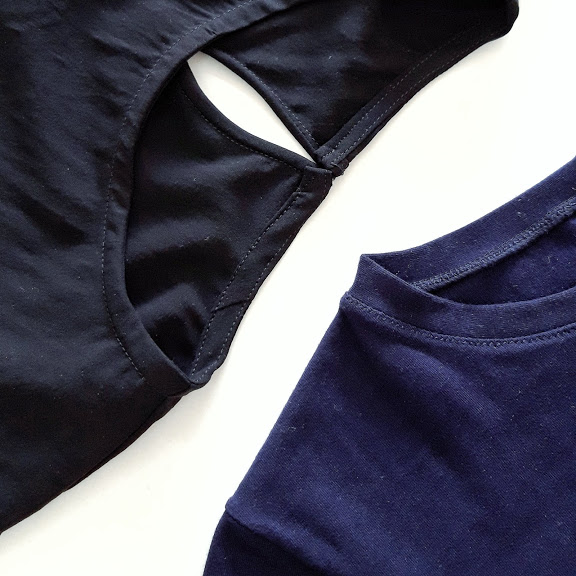
Si el patrón de punto que usas tiene un cuello amplio es muy probable que no tienes que pensar en ningún cierre, solo rematas el cuello con bies o vistas si te cabe la cabeza. En mi caso con esta camiseta negra el cuello sí que es bastante cerrado así que opté por crear una abertura de lágrima en la espalda que se cierra con un botón, toda la zona de cuello está rematado con el bies de la misma tela. En la clase las chicas han usado por ejemplo la camiseta Odette de la Maison Victor (mayo 2017) que tiene un corte recto y el cuello más abierto y no hemos añadido abertura extra en el cuello.

www.studiocostura.com

Aparte de eso ya los remates van como siempre en telas planas así que sin mucho más misterio. Quizás si parece que la camiseta puede quedar demasiado ceñido una vez hecha en tela plana, puedes subir de talla antes. Según el patrón y su forma puede que tengas que modificar algo de manga, ver las curvas etc pero en este caso no lo he tenido que hacer.

Quizás preguntas que si merece la pena estar allí cambiando el patrón por si puedes directamente buscar alguno que te guste para telas de punto y ya está? Pues sí...pero a veces tienes justo ese patrón que te gusta y una tela plana que quedaría bien...por qué no hacerlo entonces! Me gusta la forma de camiseta pero al hacerlo en tela plana me parece que tiene un aspecto como más “refinado” y creo que mola mucho!

www.studiocostura.com

Por otra parte ya que estoy con el post y en las fotos también se ven los vaqueros, aprovecho para contar sus detalles también. Este par me lo hice hace un mes o más creo, usando el patrón Dawn de Megan Nielsen Patterns. La primera vez que hice vaqueros usé el patrón Ginger y hasta hay una entrada en el blog si lo queréis ver. Ha pasado bastante tiempo desde entonces, he usado el mismo patrón para hacer varios pares de pantalones con telas que no sean vaqueros pero no me había dado por hacerme otro par de “vaqueros de verdad”.

Pues este patrón lo tenía en mente desde que lo publicaron pero allí estaba con otras cosas...hasta que esta primavera vi que tenía una tela apropiada en casa y quería probar qué tal me quedarían unos vaqueros con tela rígida (los Ginger son de tela elástica) y con tiro alto.

Así que un día de estos que por algún curioso motivo tenía toda la tarde para mí (quizá era la Semana Santa?) me puse las manos a la obra aquí en el taller y con el subidón hice todo en un mismo día de maratón, desde pegar el patrón, hacer una prueba en retor hasta cortar tela y coserlo todo. Esta vez como no quería sorpresas probé primero el patrón en retor para ver qué tal me quedaba y por mi sorpresa estuvo muy bien desde principio. Elegí la talla 12 en todo el pantalón (aunque de cintura yo sería creo que 14 o un poco más) y sin modificaciones me quedan bien...es realmente alucinante porque normalmente en los pantalones siempre tienes allí arrugas raras en la parte de la entrepierna etc. La parte de costura todo bien, las instrucciones están muy bien, especialmente la parte de la cremallera y bragueta, me gusta mucho el método que enseñan. Al tener dos máquinas, una con hilo normal y otra con torzal la cosa iba rápido! Ya me he puesto este par un montón y estoy muy feliz con el corte y con el hecho de tener un buen par de vaqueros con la cinturilla alta. A ver si encuentro más telas apropiadas para este patrón, un par de vaqueros negros también me apetece.


Así que me toca hacer más vaqueros...y más camisetas tanto en punto como en telas planas porque me he dado cuenta que he cosido bastantes tops y blusitas de flores de verano en el pasado pero lo que quiere mi yo interior frío y neutro, jaja, es una buena colección de colores lisos (blanco, negro y gris, jaja) y formas simples, qué le vamos a hacer?!


Upcycling de ropa // Upcycling some clothes

 
www.studiocostura.com

Hola, hace mucho que no me paso por aquí para escribir un post pero hoy sí que toca! Jenni de Naturtelas nos invitó a Laura y a mí para que participemos en el proyecto de reciclaje de ropa que está organizando en su blog y la verdad es que tengo una buena pila de ropa guardada para este propósito. Estaba mirando qué cosas podría rediseñar y encontré un pantalón y un vestido…las dos cosas las había comprado ya de segunda mano pero no me las ponía nunca.

www.studiocostura.com

El pantalón vaquero verde me iba bien de tamaño pero tenía un largo raro así que nunca me lo puse. Pensé que lo mejor sería hacer una falda ya que la parte de arriba me va bien.

www.studiocostura.com

Y el vestido lo compré obviamente por este estampado bonito! En su momento ha tenido un cordón para ajustar la cinturilla pero eso ya estaba roto. Me gustaba como vestido pero me pasaba lo mismo que con el pantalón…y con la mayoría de los vestidos de verano que venden en las tienda de aquí, me queda demasiado corto para mi gusto. Así que allí mi idea era hacer una blusa, lo más fácil imposible, y seguramente me lo pondré más.

www.studiocostura.com

Para cambiar de pantalón a falda hice lo típico de recortar las piernas y descoser la entrepierna. Después puse el trozo de la pierna recortada debajo de la abertura que tenía y lo coloqué bien con los alfileres siguiendo bien la caída normal de la parte de arriba. Después cosí directamente encima de las mismas costuras que tenía antes el pantalón. Hice lo mismo con el trasero pero allí tenía que descoser un poco más hacia arriba para quitar la curva de tiro del pantalón. El resto lo mismo. Y después me lo probé para ver el largo que quería, le hice el dobladillo y punto!

www.studiocostura.com
20190516_141532-01.jpeg

Probé el vestido y marqué qué largo quería y recorté el exceso. Un dobladillo y listo! Me quedé con un trozo bastante amplio con el bajo ya hecho y se me ocurrió ya el plan máximo de aprovechar la tela: le puse un elástico en la cinturilla y ahora Lia tiene una falda de verano también!

www.studiocostura.com

La verdad es saber coser te puede facilitar la vida muchísimo porque muchas veces es solo recortar y hacer dobladillos y puedes hacer una prenda “nueva”. Quitar mangas o hacerlas más cortas, añadir otras telas para alargar la prenda, poner elásticos…hay miles de maneras de darle un toque nuevo a estas prendas que ya no nos ponemos. Me gusta mucho comprar cosas de segunda mano por eso, porque ya en la tienda las miro pensando que si puedo usar la tela para otra cosa…o si tienen posibilidad de modificaciones para que me queden bien ya que su precio muchas veces es baratísimo y de paso reuso algo que ya existe en vez de consumir productos nuevos. Otra cosa que me gusta también de la ropa de segunda mano es que ya ves cómo es la calidad de la tela, si ya ha tenido un ciclo de vida y se le ve bien…qué mejor que darle una nueva oportunidad sabiendo lo que tienes en las manos :)

Gracias Jenni por organizar el proyecto…necesitaba este empujón para terminar estas prendas, jaja!


El abrigo Burda Style 6987 // Burda style 6987 Coat

 
www.studiocostura.com

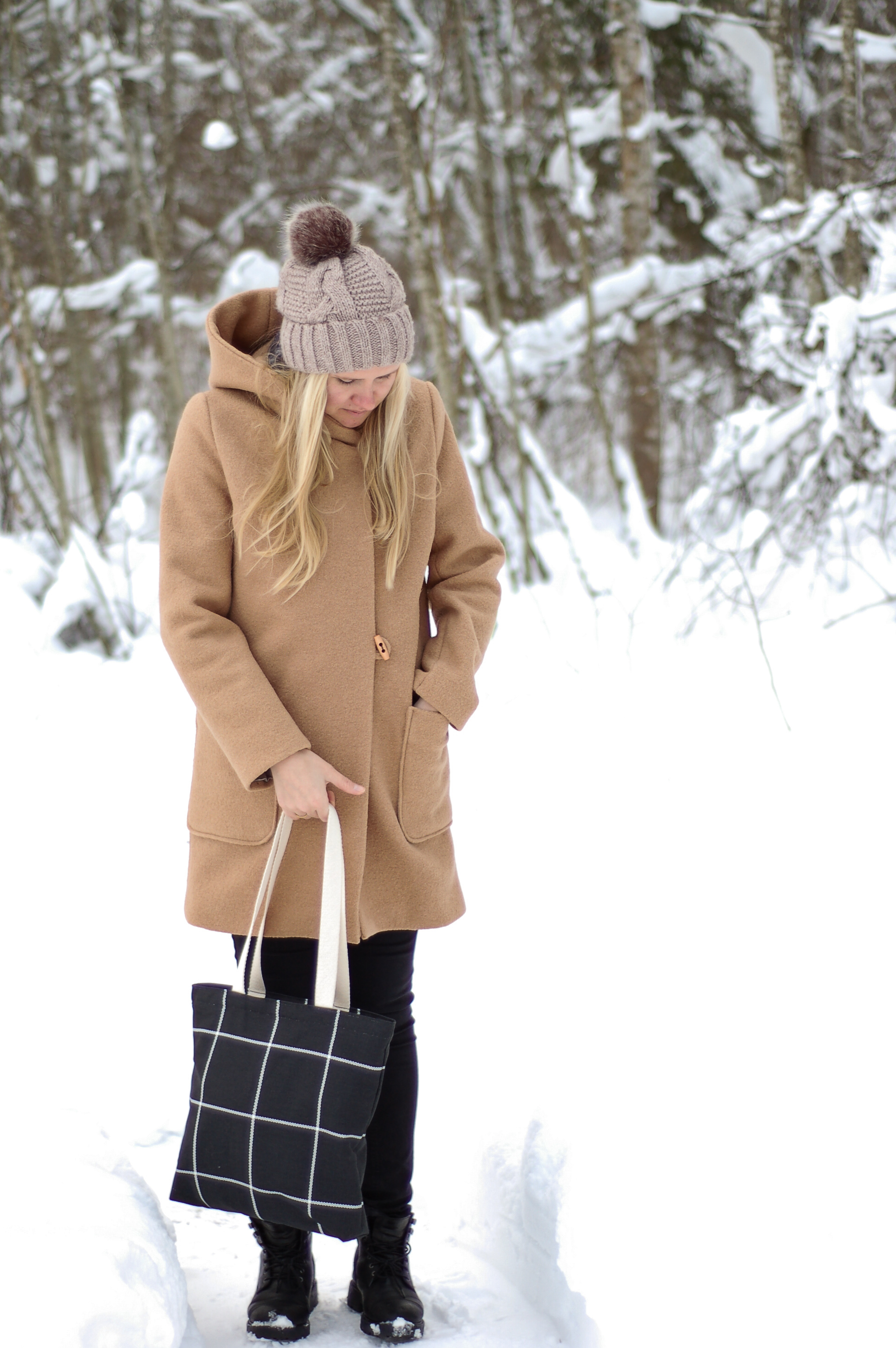
Hola! Acabo de volver de Estonia, allí me hice este abrigo nuevo y no quiero olvidarme de los detalles así que dejo aquí estas fotos y comentarios sobre el patrón. Desde otoño sabía que quería hacerme un abrigo este año pero no había encontrado un patrón que me llame mucho la atención y no estaba muy segura sobre el corte que quería, tenía ya una lana gris comprado desde hace un par de años pero aún así no había empezado nada. Además el tema de tejer vino en noviembre con tanta fuerza, así que no estaba buscando nada en concreto tampoco. Pero el otro día probé en Benetton este abrigo y me gustó mucho el corte y el tono camel también. La verdad es que hubiera comprado el abrigo y punto, pero claro…los automáticos estaban mal cosidos, tenía algún que otro defecto más y así no se puede, jaja, enseguida sabía que tenía que hacerlo yo misma. Me gustó cómo me quedó el abrigo, el corte recto pero con pinzas en el pecho, el cuello simple me parecía guay para poder llevar alguna bufanda (y así de paso sumar proyectos para tejer, jaja). Ese mismo día cuando vine a casa me puse a rebuscar entre mis patrones para ver si había algún patrón sencillo pero no encontré nada que no hubiera tenido que modificar mucho. Tampoco encontraba nada en internet…todos los patrones tenían cosas que no cuadraban con mi idea. Así que como mi viaje estaba ya cerca, decidí hacer el abrigo allí y buscar el patrón en la biblioteca de mi pueblo (allí puedes consultar todas las Burdas desde los 90 en la biblioteca y sacar patrones!).

Hey! I just came back from Estonia where I made myself this new coat so I thought it would be nice to write about the details of making it here, this way I’ll also remember myself. Since autumn I knew I wanted to make a coat this year but I hadn’t found a pattern that would be the exact match and I wasn’t too sure about the style I even wanted to make. I actually had a grey wool coating already in my stash but I hadn’t started anything yet. Also, my knitting phase started in November so I wasn’t really in sewing mood anyway. But the other day I tried on this coat in Benetton and I liked the style and the fit a lot on me, and the camel tone was flattering too. To be honest, I would have bought the coat then and there, but of course…the snaps were not well sewn on, there were other details that were wrong so it was pretty clear to me, hehe, I knew I needed to make a coat like that myself. I liked the fit on me, the straight lines with bust darts, a simple collar seemed like a good idea for wearing a pretty scarf (and this way I could add a knitting project to my list too, hehe). The same day when I came home I looked trough my patterns but I didn’t see any simple patterns similar to this style that woldn’t requier too many modifications. I also couldn’t find anything on the Internet…all the patterns had things that didn’t match with my idea of a minimal style. As my trip was close I decided to sew the coat there and look for a pattern in my local library (you can borrow Burda Style magazines there to use the patterns, they have stuff from the 90s up until the most recent issues!).

www.studiocostura.com

Al final mi plan cambió porque en vez de biblioteca, encontré un patrón de Burda Style ya en formato de papel en mi tienda de tejidos. El Burda Style 6987 tiene un look sencillo, el corte como me gustaba pero no tiene el cuello que yo quería. De todas maneras la idea de capucha también me pareció graciosa así que opté por usar ese patrón (y cortar directamente mi talla en el papel de patrones, sin calcar piezas ni pegar papeles, así sí, jaja). Hice algunos cambios en el patrón: alargué las mangas por 3 cm, es un ajuste que suelo hacer porque soy más alta/con brazos más largos que la media. Luego vi que hubiera podido dar incluso 2 cm más, no me quedaron las mangas cortas pero tuve que sacrificar un poco de margen de costura. Quité la costura horizontal en el cuerpo que tiene la versión original, no me interesaba y lo que hice fue simplemente unir las piezas de cuerpo de la parte de arriba ya de la parte de abajo con celo.

In the end my plan changed as instead of getting my pattern from the library, I found a Burda Style pattern in paper version in my local fabric shop. The Burda Style no 6987 has a simple look, I liked the style lines but it didn’t feature the collar I wanted. Anyhow the hood idea wasn’t bad either so I decided to use this pattern (and to cut my size directly from the pattern sheet, without tracing or taping paper, hehe). I made some adjustments: I made the sleeves 3 cm longer, something I always do as I’m taller/I have longer arms than average size person. Later I saw that I could have added aprox 2 cm more actually, the sleeves didn’t end up too short but I had to sacrifice a bit of the sleeve hem allowance for that. I took away the horizontal seam that the original version of this coat had, I didn’t like it and it was as easy as just taping the upper and lower body parts together.

www.studiocostura.com

Usé una lana 100% tipo boiled wool para el exterior y forro de viscosa para el interior. Hice la talla 38 en versión B pero con el largo de la versión A (la diferencia es de unos 15 cm aprox). El patrón requiere para esta versión 3,1 metros de tela pero había comprado 2,5 y me cabían las piezas juuusto haciendo un poco de tetris. De forro usé unos 2 metros. En el patrón te indica las zonas que tienes que entretelar pero yo entretelé más, lo consulté con mi madre (ella tiene la formación de modista) y al final puse entretela a los bajos, en el cruce delantero (más o menos la mitad de las piezas), en los hombros delanteros, hombros traseros, la parte superior de la manga, donde los bolsillos, bajos de las mangas, toda la vista delantera…creo que es todo, jeje.

I used a boiled wool for the exterior layer (100% wool) and a rayon lining (100% viscose). I made a size 38, using the view B but with the length of the view A (the difference is about 15 cm aprox). The pattern instructions say you need 3,1 meteres of fabric but I had bought 2,5 and with a bit of tetris I cut everything out quite nicely. I used aprox 2 meters of lining too. There are instructions about where you should apply interfacing but I used it in more areas. I consulted with my mom (who has a diploma in tailoring) and I used interfacing in hems, in about half of the front pieces, in the shoulder areas for both front and back pieces, in the upper part of the sleeve, in the pocket areas, sleeve hems, all the front facings…I think that’s it, hehe.

www.studiocostura.com

Seguí las instrucciones para coser la parte de los hombros y capucha que era una cosa un poco distinta y el resto lo hice ya según lo he hecho otras veces, así que no seguí del todo el paso a paso. Coser el abrigo no es difícil, yo pienso que la parte que requiere ayuda es el tema de las mangas: lo mejor es que alguien te ayuda a poner las mangas con alfileres para poder adaptarlas bien a tu cuerpo. Como casi siempre, tuve que reducir el largo de hombro, pero en general la manga ha sido fácil de coser. He usado también unas hombreras finitas para tener mejor forma. La tela es gruesa y especialmente la parte que se une con la vista genera mucho bulto, lo he cosido con la máquina industrial, no sé si mis máquinas domésticas podrían pasar la parte de las costuras donde se juntan prácticamente cuatro capas de lana gruesa en algunas partes.

I followed the instructions for the shoulder and hood part as it was a bit different and for the rest of the coat I followed a method I’ve used for other pieces like this, so I didn’t follow the step-by-step instructions. Sewing a coat is not difficult, I’d say that setting the sleeves is the most complicated part: it would be great if someone can help you with pinning the sleeves on so they will fit with your body. As almost always I had to reduce the shoulder length but in general sewing the sleeves was easy this time. I also used lightweigth shoulder pads this time to get a nice shape. The fabric is heavy and there’s a lot of bulk in some parts, for example where the front meets the facing. I used an industrial sewing machine to sew it, I’m not sure if my domestic machines would handle these layers so well as there are parts where there are practically four layers of wool together.

www.studiocostura.com

Otra cosa que sí que me resulta más complicado es el planchado correcto, me ha salido más o menos, pero es fácil arruinar el bajo si tiras demasiado de la tela. Yo estaba consciente de eso porque me había pasado con el otro abrigo que hice hace dos años con el patrón Cascade Duffle Coat de Grainline. Este abrigo no tiene entrada aquí en el blog porque lo terminé pero nunca me lo puse porque al final (también por la culpa de la construcción que es algo rara en mi opinión: el patrón tiene vistas para bajos en vez de hacerlo con doblar el margen de costura hacia arriba) el bajo no me quedó bien y se hacía ondas. Por cierto, saqué ese abrigo de hace dos años y lo vi con “ojos nuevos” esta vez así que lo que haré (no este invierno, pero quizás el año que viene) es hacerlo más corto y así arreglar el tema del bajo. En fin, según mi madre la buena plancha hace toda la diferencia, hay que tener mucho mucho cuidado. Y claro, otra cosa: la lana se plancha muy bien y a pesar de ser un tejido muy grueso se deja manejar fácilmente pero qué suele ocurrir…que es un tejido más caro y muchas veces las que solo empiezan pues no quieren gastar ese dinero sin saber que van a tener un abrigo que realmente les guste (posibilidad real ya que puede que no te guste el corte, no te quede bien etc). En mi opinión allí está el tema: si compras un tejido sintético, lo más probable es que sí, te sale algo más barato (y no siempre tanto!) pero es más complicado de planchar, puede perder su forma rápidamente (pelotillas), obviamente no tiene las calidades de lana (te da calor pero respira y se adapta según la temperatura de ambiente a tu cuerpo) y al final, me parece que cuesta más trabajar con tejidos así. Así que si piensas en el tiempo y esfuerzo que vas a poner en un proyecto como un abrigo…merece la pena un tejido bueno. Tanto para trabajar con ella como para llevarla luego. Con esta lana he podido usar mucho vapor y bastante calor (a través de un paño), así que todo el rollo de planchar ha sido mucho más placentero. También he usado un trozo de madera para apretar bien las costuras y conseguir que se queden bien planos (no llego a niveles de industria ya que no cuento con la plancha buena de vapor que suelen tener en los talleres pero bueno, algo es algo!).

Another thing that I do think is a bit complicated is the correct pressing of the seams, this time I got it more or less right, but it’s easy to mess the hem up if you distort the fabric when pressing it. I was aware of this as it happened to the Cascade Duffle Coat by Grainline that I sewed two years ago. This coat doesn’t have a post in this blog as I finished it but I never wore it as the hem didn’t turn out great, it was wavy due to the pressing error (and I also think it went wrong because of the weird construction: facings for the hem instead of turning the hem seam allowance up, but who knows…). By the way, I looked up this coat and saw it with “new eyes” so I guess I’ll try to fix it (not this year, but next year I think) with shortening the whole thing to make a new hem. So anyway, as my mom says, the correct pressing makes all the difference and you rellay need to be very very careful. And there’s the other thing: wool fabrics are easy to press and even when it’s a heavy fabric you can do it easily…but it’s generally a more expensive fabric and when you are making your first ever coat you normally don’t want to invest too much as you don’t know how it all will turn out (and there is a real possibility that you won’t like the style, it doesn’t fit well etc). I think that here’s the deal: yes, you can buy a less expensive synthetic fabric (which often aren’t cheap either!) but it’s more difficult to press, it can lose it’s quality fast (pilling), obviously it won’t have the same advantages as wool (it gives you warmth but it also breathes, adapting your body depending on the exterior temperature) and I just think it’s more complicated to work with this kind of fabrics. So if you think about the time and effort you put into a project like a coat…a good fabric really is worth it. Both for sewing and later for wearing it. With this wool I could use a lot of steam and quite high temperatures when pressing (with a pressing cloth) so all this process was way better. I also used a piece of wood to press the seams well after the steam and make them as flat as I could (I can’t get to the industry level as I don’t have a super steam iron they usually have in ateliers but well, I did what I could!).

www.studiocostura.com

El abrigo es un proyecto que me da mucho respeto porque coser, lo puede coser todo el mundo, pero que quede bien y que se note el buen trabajo…pues eso no viene así sin más. Yo reconozco que no soy nada experta en eso, me gusta experimentar y suelo hacer uno al año, y cada vez pues voy aprendiendo más. Pero soy consciente de lo poco que sé y cuando sale bien me alegro mucho, jaja. Además lleva tiempo y esfuerzo, es mejor hacerlo sin prisa (siempre lo pienso, pocas veces lo hago!), en tramos, porque puede saturar, por lo menos a mí. Esta vez corté un día, otro día puse la entretela, luego empecé a coser etc. Tardé varios días haciendo un par de horitas cada día, pero la verdad es que no me sentí agobiada esta vez. Así que nada, el año que viene haré otro y seguiré aprendiendo! Espero que os haya sido útil esa larga historia :)

Sewing a coat is a big thing in my opinion as everyone can make one but to get this professionl result that we are looking for…this means more than just making it one time. I know that I’m by no means an expert in this topic, I like to experiment and I try to make one coat every year. Every time I learn new stuff but I’m very aware how little I still know and when things do turn out nicely I’m pretty pleased, hehe. Apart from this project taking time and effort, you also need to think about it as a slow process. Dividing the work in chunks is a good idea as this way you won’t be saturated by it all. This time, the first day I cut out the pieces, the second day I interfaced and then started to sew etc. It took me a couple of hours during various days to complete the coat but I dind’t feel saturated this time. And that’s it…I hope I’ll be making another coat next year and hiopefully I’ll keep on learning this craft! I hope this long post has been interesting to you :)


2018 en costuras // My 2018 makes

 
www.studiocostura.com

Hola! Aquí estamos, casi al final del año. Pensaba que estaría bien hacer un resumen de mis costuras ya que estuve contando y este año solo he publicado tres entradas sobre mis proyectos personales en este blog. Todo lo demás ha sido patrones, tutoriales y otro tipo de información sobre costura. Este año me parece que he cosido menos que nunca para mí, pero aún así han sido varias cosas. Algunas prendas me las he puesto un montón, algunas nunca…pensaba que en este punto ya sé antes de empezar un proyecto si me vale o no, pero resulta que no es así. En general soy una persona práctica a la hora de elegir mis proyectos, coso cosas que sé que me voy a poner, suelo elegir telas que ya conozco y sé que me gustan. Pero aun así, como todo en esta vida, la costura y especialmente la elección de proyectos es un proceso de aprendizaje…hay errores y hay aciertos, eso sí, siempre aprendes. Así que revisé mis fotos de Instagram para sacar las prendas y cosas que he hecho, allí suelo subir más o menos todo, aunque hay varias cosas que faltan también.

Hey! Here we are, almost done with this year. I thought that it would be nice to write a little recap about my sewing projects this year as I was counting and I’ve only published three personal sewing projects this year over here at the blog. It has been all about patterns, tutorials and other information about sewing. I think I’ve been sewing for myself very little this year, less than ever, but turns out there have been some projects. Some garments I’ve been wearing a lot, some of them never left the house…I thought that at this point I’d already know before starting a project if I like it or not but the reality is other. In general I’m a quite practical person when choosing sewing projects, I sew stuff I know I’m going to wear, I choose the fabrics I already know and love. But despite that, as with other life things, it occures that sewing and especially choosing the projects is a learning process…there are mistakes and there are wins, the thing is, you always learn. So I revised my Instagram feed to get some photos as I usually post there what I make but there are also some stuff I don’t have a photo of.

www.studiocostura.com

El Ogden Cami, uno de mis favoritos! La versión con flores me he puesto un montón, la de rayas verticales lo regalé a mi hermana y lo de rayas horizontales me lo he puesto, pero no mucho (la viscosa esa es bastante ligera y se arruga demasiado). También hice uno blanco con doble capa en una tela de crepe para una boda en el verano.

The Ogden Cami, one of my favourites! The floral version has been getting tons of wear, the one with vertical lines I gave to my sister and the one with the horizontal lines has got some wear, but no too much (the viscose fabric is quite lightweigth and wrinkles too much). I also made a double layer one with a poly crepe for a wedding I attended.

www.studiocostura.com
78c3191814f6cc88572471f481c45d6b.jpg

El vestido peto/pichi de Roberts Collection me encantó. Primero hice el beige en una tela más tiesa y hasta ahora no tiene botones (o sea, nunca más me lo he puesto después), sin embargo el negro me lo puse un montón. Lo hice con tencel y me encanta que es ligero pero aun así tiene una caída estupenda y suficiente cuerpo. Es un modelo ideal para el verano, te deja moverte y no da calor, un buen descubrimiento!

The bib dress / dungaree dress from Roberts Collection is amazing. First I made the beige version in a stiffer fabric and it still doesn’t have buttons (as in I’ve never really worn itafter finishing it), but the black one has gotten tons of wear. I made it with tencel fabric and I love it as it’s super light weight but has a good structure and drape. It’s the perfect style for summer, it lets you move and it’s easy to wear in heat, a great find!

www.studiocostura.com
a7af376e145b560f30fa0e71053d1d6c.jpg

Básicos aburridos: la sudadera azul marino me lo pongo toooodo el tiempo. Usé el patrón de Ottobre Design (será del número de verano de 2018) con una tela de sudadera que tiene como pelito por dentro, perfecto para no pasar frío…si no está en la lavadora me lo llevo puesto! La camiseta de plátanos (el patrón es de algún Ottobre también) lo hice porque me hizo gracia el tejido, el estampado mola mucho. También le hice la versión mini a mi hija y las dos prendas han tenido mucho uso.

Boring basics: I’ve been wearing this navy blue sweatshirt sooo much. I used a pattern from Ottobre Design (I guess it’s from the 2018 summer edition) with a really nice sweatshirt knit witha fur lining. It’s perfect for winter and honestly, if it’s not inside my washing machine I’m probably wearing it! The banana T-shirt was made purely because I found this super cute print (the pattern is from some Ottobre too). I also made my kid a matching mini versions and we’ve worn those a lot.

www.studiocostura.com
dfd79b0e3005c22c12c8c56733902e8e.jpg

Nénuphar Jacket: en el verano vi este patrón y me gustó mucho el estilo kimono con un corte de manga más sencilla. Hice primero la versión en blanco roto con un lino muy bonito de pequeñas rayas. La espalda lo hice sin frunces porque soy así de aburrida. Enseguida hice otra con una viscosa de medio grosor que tiene una caída super bonita. Después de coser estas dos chaquetas me di cuenta de lo obvio: en Madrid o hace mucho calor y no te pones nada que no sea de manga corta o luego ya de un día para otro se bajan las temperaturas y me tengo que cubrir con algo más que una chaqueta tan ligera como ésta. Gran descubrimiento después de…8 años? Así que la chaqueta de lino que en fotos me gusta mucho, pues en la vida real me lo he puesto dos veces. La chaqueta de viscosa lo usé más en septiembre cuando por la mañana al salir de casa necesitaba un algo encima pero a las 10 ya hacía un calor que te morías. Me sirve muy bien cuando voy en transporte público y hace frío por el aire acondicionado…pero en general, creo que debido por donde vivo y por mis propias preferencias, pues lo veo muy bonito pero no tengo muchas ocasiones para ponerme algo así.

Nénuphar Jacket: I saw this pattern in summer and I really liked the kimono style with a simple sleeve. I first made the off white version in a beautiful striped linen. I didn’t add the ruffles for the back because you know: I’m boring. Just after finishing this one I made another one with a medium weight viscose that has a beautiful drape. After sewing these two jackets I saw the obvious problem: in Madrid when it’s hot, it’s super hot and you can’t wear anything but short sleeves and when the temperatures drop I really need something more than just a lightweight jacket like this one. It’s a great discovery after…8 years? So yes, I really like the linen jacket on photos but I’ve been actually wearing it like two times. I’ve been wearing the viscose version more, especially in Spetember when in the morining when I leave the house I’d like to have an extra layer but at 10 o’clock it’s already hot as hell. It’s great to use in public transport to protect me from the cold of the air conditioner…but in general I think that I don’t have too many opportunities to wear this type of garments altough they are beautiful, as the climate is as it is and my personal preferencies have a big role too.

www.studiocostura.com

Hice las camisetas para mí y para la pequeña con los patrones de Megan Nielsen, y de esto sí que hay post. La de ella muy bien, la mía un poco demasiado ajustada por mi gusto, se lo di a mi hermana. Y los pantalones cortos son del patrón Lander pants. Hice estos que quedaron bastante bien y luego otro par más en un vaquero más claro (que hasta ahora todavía no tiene botones…). Me los puse un par de veces pero no sé si el largo del tiro me quedó del todo bien, habrá que mirar qué pasa con ese patrón. También es que he subido de peso y ahora tengo que mirar bien el largo que tiene el pantalón corto para que no tenga este efecto de que al andar mis piernas rozan entre sí y me resulta super incómodo si el pantalón es demasiado corto y “se me sube” (ya sé que no es muy glamuroso pero es que molesta un montón y por eso pasé a mejor llevar faldas porque no tenía este problema).

I made thses T-shirts for me and my kid with Megan Nielsen patterns and there actually is a post about it. Hers is great, mine a bit too snug for my taste so I gave it to my sister. And the shorts are made with the Lander pants pattern. I made these that turned out quite well and then I made also another pair with a ligther color denim (the ones that still don’t have buttons on…). I wore those a couple of times but I’m not so sure about the crotch length there, I’ll have to see those pattern pieces again. Also I’ve put on some weigth and I really have to check the length that the shorts have before hemming them, I find it super uncomfortable when my thights rub against each other when I walk and the shorts “climb up” (I know it’s not very glamorous but this really sucks and that’s why I’ve chosen to wear more skirts as I usually don’t have this problem with them).

7831c6ea8330e62f63a59e2833db8627.jpg
www.studiocostura.com

Desde luego el ganador de prendas que más me he puesto es el Suki Kimono, y éste sí que tiene post para más detalles, estoy super contenta con el modelo y me lo pongo todos los días. La única pieza de lencería que me hice para mí (sí sí, este año me hice UNO para mí) ha sido este sujetador Boylston con el encaje de color carne. Al principio me lo puse bastantes veces, ahora me parece que está en el fondo de mi caja de sujetadores, creo que no queda tan tan tan cómodo como me gustaría…y nada, es proceso, solo el proceso…

The first prize winner for this year is of course the Suki Kimono, I’ve been wearing it every day, there’s also a post about it actually. The only bra I made for myself (yes, yes, it’s the ONE bra I made this year for myself) is this Boylston bra in nude lace. I wore it several times when I finsihed it but now it’s somewhere in the bottom of my lingerie drawer, I think it’s not just right for me, the fit needs more tweaks…process, it’s just a process…

www.studiocostura.com

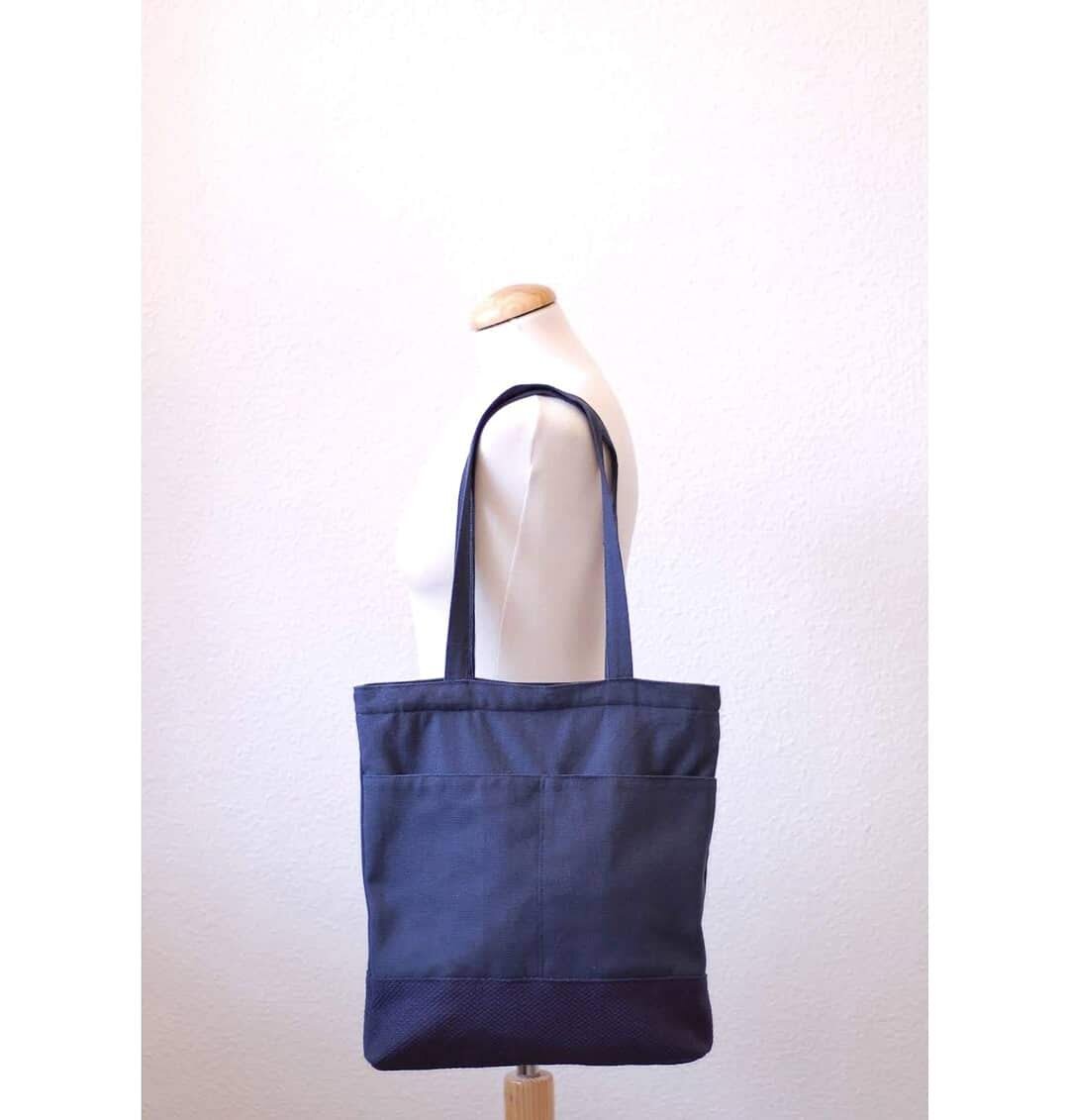
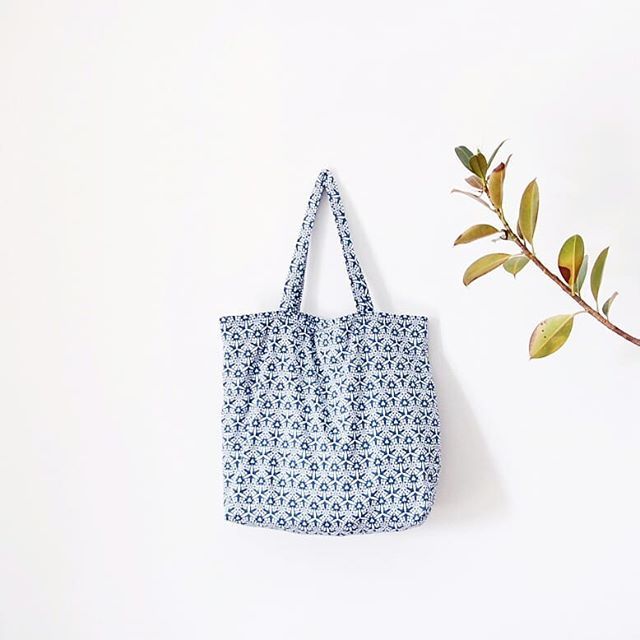
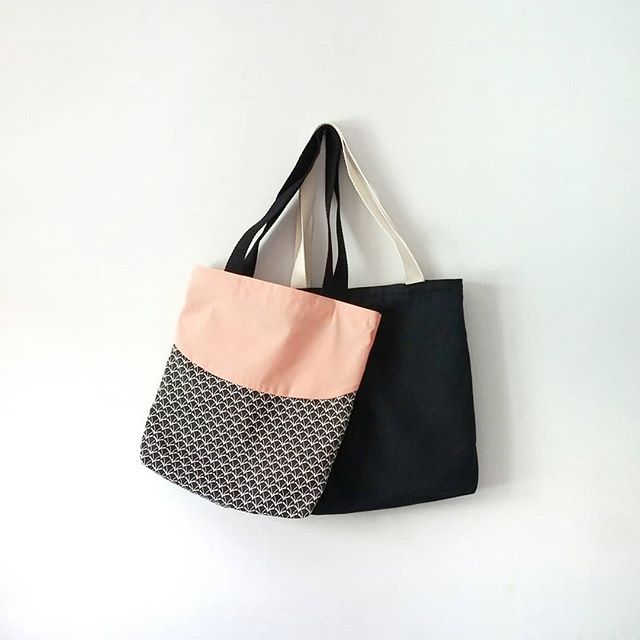
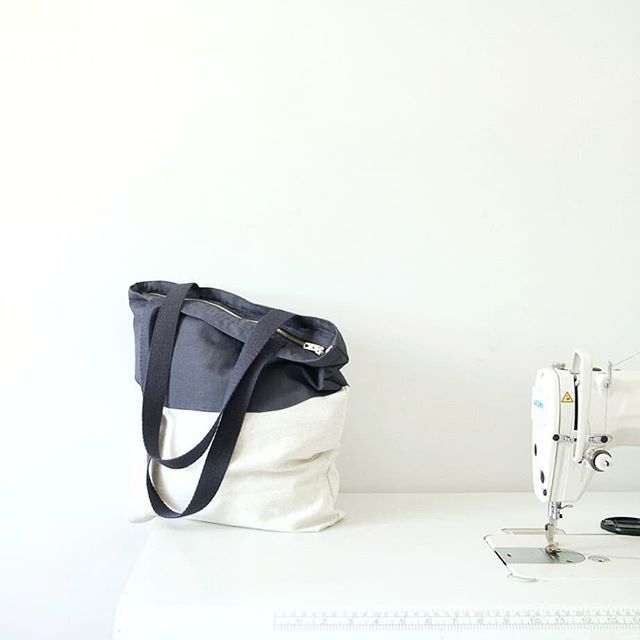
Hice un par de bolsos también (aparte de todas las muestras para Daily Tote, claro). La mochila quedó muy bonito pero le falta estructura para quedar bien del todo, lo tengo en mi lista de cosas para arreglar. El bolso azul me lo llevo muchísimo, cabe todo y es cómodo. El bolso grande lo hice en un momento cuando efectivamente necesitaba un bolso donde quepa bastante ropa etc y lo he usado algunas veces. Y el bolso negro con asa beige ha tenido mucho uso también (y el de melocotón con blanco y negro era un encargo).

I also made some bags (apart from the Daily Tote samples of course). The backpack really turned out nice but it needs more structure to be firmer, I have it on my list of things to unpick. I’ve been wearing the blue bag a lot, it fits all mu stuff and it’s very comfortable. The big bag was made when I actually needed a big bag to fit lots of clothes etc and I’ve been using it a coulple of times. And the black tote with beige straps has been in a lot of use too ( the peach and black and white one was a custom order).

www.studiocostura.com

En el verano en casa de mi madre le hice este alfiletero que también tiene varios bolsillos para llevar todas las cositas pequeñas, el patrón es del libro Handmade Style de Noodlehead. Yo también tengo uno y es super útil.

In the summer I made this pincushion for my mother, it also has many different pockets to fit all the small stuff. The pattern is from the book Handmade Style by Noodlehead. I have one myself and it’s super practical.

www.studiocostura.com

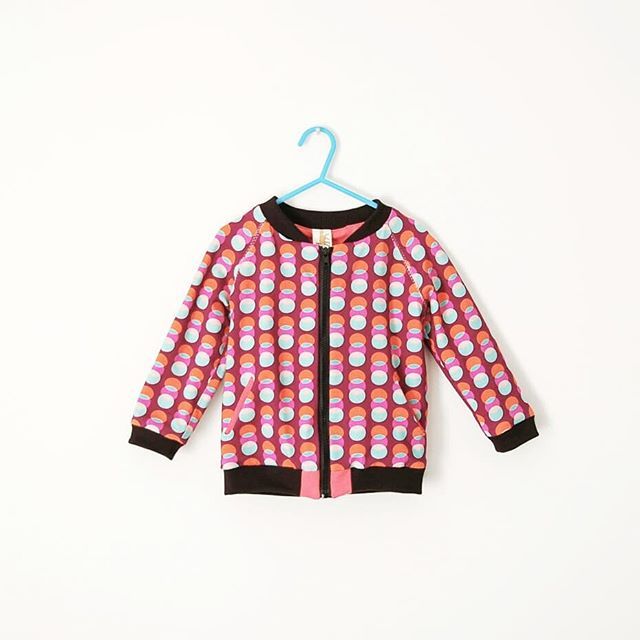
Para mi hija: pocas cosas, ya ves… crece con una rapidez que sinceramente prefiero hacer alguna cosa así más especial y ya está, sino en dos meces le queda corto y no lo puede llevar más. En el verano le hice el bañador y la braguita del bañador, para su cumple la túnica de sudadera y en la primavera el bomber de puntitos (todos los patrones de Ottobre Design). También gorros de verano y alguna cosita pequeña más.

For my kid: not so much really…she’s growing bigger so fast that honestly I prefer making only some special garments and that’s it, otherwise everything is too small for her in two months time. I made her the baithing suit and ruffled panties in the summer, the sweatshirt tunic for her birthday and the bomber in spring (all patterns are from Ottobre Design). there were also some summer hats and other small stuff.

www.studiocostura.com

También le hice su vestido/pichi especial de Halloween con la tela muy mona de calaveras con flores. Desde luego el proyecto más laborioso de este año fue el abrigo Tosti Utility Jacket que hice para mi novio…ha quedado muy bien y el proceso molaba mucho. Tardé un buen rato pero el resultado mereció la pena. Mi idea era después hacerme un abrigo para mí también pero la verdad es que el frío ya estaba aquí y no tenía muchas ganas así que me fui y me compré uno. Me sentí algo mal…pero también me sentí bastante humano, jaja.

I also made her this Halloween bib with a really cool print fabric. Without doubt the most complicated project of the year was this Tosti Utilty Jacket that I made for my boyfriend…it looks great and the process was very interesting too. It took me time to sew but the result is worth it. My initial idea was to sew myself a coat after that but the cold days were already here and I wasn’t so much in the mood either so I just went shopping and bought myself one. I felt a bit bad…then I also felt quite human, haha.

www.studiocostura.com

Y para mi madre y mi hermana les hice para su cumple también estos sujetadores, el primer patrón es de Madalynne y el otro es el bralette Hanna.

Seguro que faltan más cosas, ahora mismo recordándolo hice también dos pares de pantalones, unos con el patrón de vaqueros Ginger y otro del patrón calcado del pantalón que ya tenía. Dos vestidos que me puse una vez…este año me di cuenta que ahora sí, hay que ser honesta: no me pongo los vestidos! Y también empecé proyectos que no he terminado…y que tengo pocas ganas de terminar, jaja. Así que éstos son mis proyectos personales de este año, que a ver, pocos no son, muchos tampoco…en un año caben bastantes cosas. Como ya os conté hay cosas que me pongo un montón, cosas que me pongo menos y otras que nada. No me gusta acumular prendas sin usar y suelo regalar casi todo que sé que no me pongo, me da más pena una prenda hecha a mano sin usar que el hecho de separarme de una prenda que seguramente ha sido fruto de bastante trabajo y esfuerzo.

El resto del tiempo estaba cosiendo muestras de patrones que saqué este año: bralette Hanna, braguita Stella, braguita Mia, el estuche con cremallera y el Daily Tote. Tengo una caja de muestras bastante grande que de vez en cuando saco para buscar regalos a mis amigas, jaja. Abajo tienes una selección de ellas:

I also made bras for my mother and my sister for their birthdays, the first one is a pattern from Madalynne and the second one is the Hanna bralette.

I’m sure there are things that I’ve missed, actually I just remembered that I also made two pairs of pants: one with Ginger jeans pattern and another one I copied from a rtw pair I own. There were two dresses I wore once…this year it was time to say it out loud: I just don’t wear dresses! I also started projects that I didn’t finish…and that I don’t feel like finishing, haha. So these are my personal sewing projects from this year, lets see, there’s not soooo much, also not very little…you can make a lot in a year. As I told you before, there’s stuff I wear a lot, stuff I wear sometimes and things I never wear. I don’t like having garments I don’t use in my closet so I usually give away everything I don’t wear: yes, giving away garments you have put hours and effort in kind of hurts but I feel worse seeing a handmade garment without anyone wearing it.

The rest of the time I was sewing samples for the patterns I launched this year: Hanna bralette, Stella panties, Mia panties, zipper pouch and Daily Tote. I have a pretty big box of samples that I use from time to time to find presents for my friends, haha. Here’s a selection of those:

Y para lo último…algunos encargos. De varios no tengo fotos porque los entregué sin sacar fotos, faltan muchos bolsos de este verano ahora que lo pienso.

And the last things…some custom orders. There are many that I didn’t take pictures of, actually there are many bags I made in summer now that I think about it.

Y con esto termino mi entrada de costuras del 2018. Estos días estoy todavía cosiendo algunas cosas que me han pedido para regalos pero espero muy pronto alejarme de la máquina y ponerme a…tejer. También espero escribir todavía una entrada de este año contando sobre mis proyectos con lana porque la verdad es que de los proyectos personales de costura fuera del trabajo no tengo mucho: llevo dos meses sin coser nada…supongo que son épocas y ahora es la época de tejer :)

Os deseo felices fiestas y gracias por leer este blog, por apoyar a mi pequeño negocio y en general…por estar allí!

And that’s the end for this 2018 recap post. I’m still sewing some gifts that my friends have asked me for but I hope that I can leave the machine soon to start to…knit. I also hope I manage to write a post about my knitting journey as I haven’t really been sewing for myself at all during the last two months. It’s all about phases and my phase is at the moment full of yarn and knitting :)

I hope you’ll have a wonderful holdiay season and thank you for reading this blog, for supporting my small business and in general…for being there!


Megan Nielsen Patterns: Rowan + Mini Briar

 
www.studiocostura.com

Hola! Hace unas semanas Wendy de CoserCosas me escribió para hacer una colaboración y hoy os cuento sobre ese proyecto. Me mandó una tela de punto orgánico muy bonita de su tienda y los patrones Rowan y Mini Briar de Megan Nielsen Patterns para que haga unas camisetas a juego para mí y para la pequeña. Normalmente no suelo hacer prendas con la misma tela para las dos pero sé que a la niña le iba a encantar y me animé ya que la tela es preciosa.


Hey! Some weeks ago Wendy from CoserCosas wrote me about a collaboration and today I'm telling you about this project. She sent me a beautiful organic knit fabric and two patterns from Megan Nielsen, the Rowan and the Mini Briar, so I could sew something for me and my little one. I usually don't make garments for both of us with the same fabric but I knew she was going to love the idea and as the fabric is so prettyI was in.

www.studiocostura.com

Primero hablaré sobre Mini Briar. Es un patrón de camiseta para niños que tiene dos largos de cuerpo (versión crop y la versión normal) y posibilidad de hacer la manga corta o larga para las edades 2-12 años. Yo elegí hacer la versión de camiseta corta y con la manga corta también. El corte es ancho y el patrón lleva un montón de plantillas para poder customizar la camiseta.


First I'll tell you about the Mini Briar. It's a t-shirt pattern for kids with two bodice lengths (crop top and regular length) and short/long sleeve variations for kids 2-12 years old. I chose the crop top with short sleeves. The pattern has a loose fit and it comes with lots of templates to customize your t-shirt.

www.studiocostura.com

Elegí la talla 2/3 años y ese tamaño le va muy bien a la pequeña por el ancho (ella tiene ahora 3 años y medio). Como la versión 1 que hice es tipo crop top el largo del delantero es bastante más corto que la espalda, me gusta pero creo que en su edad que todavía tiene bastante barriga de bebé me gustaría hacer el siguiente un pelín más largo para que quede mejor. La espalda tiene un largo ideal para ella ahora. Eso dicho la versión de largo "normal" de esa camiseta (la versión 3) sería ya en su caso más como túnica creo.


I chose the size 2/3 years and this size is great for my girl regarding to width (she's 3 and half years old). As I made the version 1, crop top, the front length is way shorter than the back. I like how it looks but I think that in her age when she still ha some baby belly I'd like to make it just a bit longer in the front. The back length is perfect for her now. Saying this I think that the regular length of this t-shirt (version 3) would be almost like a tunic for her at least.

www.studiocostura.com

Es un patrón básico muy fácil de coser y me parece perfecto para estampados infantiles divertidos. Me ha gustado la manera de poner la tira de cuello: te enseñan un tipo de acabado que no necesita la remalladora.


The pattern is a basic t-shirt really easy to sew and I think it's perfect for using up all those pretty kids prints. I liked the way they show how to attatch the neck binding in the instructions: you get a neat finish on both of the sides without using a serger.

www.studiocostura.com

"La sesión de fotos" ha sido más o menos como lo esperaba así que mucho no hemos sacado, jaja, pero ella sí que sabe como mejor enseñar la espalda de una prenda... Ese corte ancho me encanta y ya tengo pensado un par de ellas más para este verano!


"The photo session" was more or less as I expected so we didn't get lots of good material out of it, hehe, but at least she's very convincing when showing the back of the garment... I really like the loose fit of this pattern and I've already tought about more t-shirts I'd like to make her for this summer!

www.studiocostura.com

El patrón para la camiseta de mujer es el Rowan. Es un patrón que tiene versiones para hacer la camiseta con tres tipos de cuellos y largos de mangas diferentes + el patrón de body. Según mi medida de pecho debería ser la talla S en este patrón pero no confiaba mucho ya que veía la prenda muy ajustada así que por si acaso corté un M. Cuando estaba viendo las piezas ya lo sabía...iba a ser muuuy ajustada, jaja. Así que en vez de coserlo con los margenes de 1.5 cm que lleva el patrón directamente sólo usé 0.6 cm de remalladora. Eso me dio el extra margen que necesitaba para poder caber dentro de la camiseta, jaja. La construcción era fácil y las instrucciones claras. Lo único que cambié era abrir un pelín el cuello para hacerlo de otra forma.


The womens t-shirt pattern is the Rowan. The pattern has three neckline finishing options and three sleeve lengths + a version to make a bodysuit. According to my bust measurement I should be a size S in their chart but I was a bit sceptic about that seeing the cut of this garment very close fitting. Just in case I cut the size M. Once I saw the pattern pieces cut out I saw it clearly...it was going to be veeery close fitting, hehe. So instead of using a 1.5 cm seam allowances that come with the pattern I serged the edges using only 0.6 cm. This extra fabric made it possible to fit myself inside this garment, haha. The construction was easy and the instructions were very clear. The only thing I changed was to widen the neckline a bit to change its form.

www.studiocostura.com

Me quedó demasiado pequeña? Pues no, según los gustos claro...está ajustada tal como  está patronada así que bien pero con este patrón hay que ver muy bien qué telas usar. La tela de punto que he usado tiene 50% de elasticidad y el patrón requiere "por lo menos 40% de elasticidad". Creo que para mejor comodidad estaría bien usar telas con más elasticidad y más finas, especialmente hablando de bodys. Me gustaría probar a hacer el body por ejemplo con un punto de viscosa que tiene un poco más de elasticidad y es más finita.


Did it end up too small? Well no, it really depends on your likes too...it is close fitted as the pattern is drafted this way so you really have to pay attention on using the right fabrics. I used a knit with a 50% stretch and the pattern says you should use a knit with "at least 40% of stretch". I think that stretchier and finer knits would give better results, especially when talking about sewing a bodysuit. I'd like to make a bodysuit with a viscose spandex knit for example as these usually are finer and a bit stretchier.

www.studiocostura.com

Así que aquí estamos con nuestras camisetas iguales iguales. Ya tengo pensado hacerle a la niña más camisetas con este patrón y para mí un body. Hace seis meses dije que nunca voy a llevar un body. Y hoy pienso que igual para el invierno podría ser una perfecta capa protectora contra el frío, jaja. Ya os contaré!

Podéis ver todas las telas bonitas que tiene CoserCosas en su tienda online!


So here we are with our matching t-shirts. I've already tought about making several t-shirts for my girl with this pattern and a bodysuit for myself. Six months ago I said I'd never wear a bodysuit. Today I'm thinking about making one to have a protective layer of clothing against the cold in the winter, haha. I'll keep you updated about that!

You can see all the pretty fabrics that CoserCoses has in her online shop!


Suki Kimono by Helen's Closet

 
www.studiocostura.com

Hola! Ha sido taaanto tiempo desde que cosía algo para mí y por fin puedo publicar otra cosa que no sea lencería. Después de terminar mi nuevo patrón de la braguita Stella decidí que era la hora de coser algo que no incluya encajes y elásticos. Tenía ganas de hacerme una bata kimono desde que hice esta otra el verano pasado. Como la otra se quedó en la casa de mis padres en Estonia estaba casi un año deseando de tener una aquí en mi armario también y por fin la tengo!


Hey! It's been for sooo long since I made something just for me and finally I can post something else than lingerie here. After finishing my latest pattern Stella panties I decided that it was about time to sew something that wouldn't include lace and elastic trims. I wanted to make myself a kimono robe since I made this other one last summer. As I left the previous one in my parents house in Estonia I've been wanting to make a new one for almost a year now and it's finally here!

www.studiocostura.com

El patrón que he usado es el Suki Kimono de Helen's Closet. Cuando en el verano pasado salieron varios patrones de kimonos en el mundo costuril yo todavía no estaba muy convencida de hacerme uno. La verdad es que pensaba que como había miles de tutoriales para hacerte kimonos sencillos por Pinterest que no valía la pena comprarme un patrón específico. Pero después de ver cuánto me ponía el primer kimono que hice y lo cómodo que era para andar por casa sabía que quería coser otro. Este patrón ya lo tenía visto desde que salió y me llamaba la atención que tenía muchos detalles prácticos y también bonitos así que me hice con él y tenía ya una tela preparada para la ocasión. No ha sido una decepción porque el patrón es muy completo y lleva el tema de kimono a otro nivel.


I used the Suki kimono pattern from Helen's Closet. Last summer many kimono patterns were launched in the sewing pattern world but I wasn't very convinced yet to make myself one. I saw so many DIY kimono tutorials over at Pinterest and thought that I shouldn't bother buying a specific one. But after seeing how much I wore the last kimono and how comfortable it was to lounge around the house I knew I needed to make another one, this time a bit more complicated maybe. I had my eye on the pattern since it launched and all the practical and beautiful details really caught my attention so I got it to try it out, I already had just the perfect fabric for this project too. It wasn't a deception as the pattern has very complete instructions and takes the kimono sewing to a next level.

www.studiocostura.com

El patrón mola mucho...tiene un montón de detalles que lo hacen muy completo. En mi versión solo he usado una tela y no he hecho la solapa y las mangas en otra tela de contraste así que quizás no se ven tan bien en mis fotos, pero están allí y te dan un montón de posibilidades de jugar con el diseño de este corte. Las instrucciones son muy detallados y no le ha faltado ningún paso para que todo sea lo más práctico posible: tiene bolsillos, un acabado de solapa muy bonito y se cierra por dentro con un lazo pequeño y luego por fuera con otro más grande.


The pattern is beautiful...all the small details really make the difference. In this version I only used one fabric and I didn't use contrasting fabric for the front band and the sleeve cuffs so you maybe can't see the details so well but I think that there's so much room to play around with this design. The instructions are very detailed and there are all the practical parts in there: it has pockets, a beautiful front band finishing and it closes inside with a small bow tie and on the outside with a bigger one.

www.studiocostura.com

La tela que usé es una viscosa con un grosor medio, en inglés sería un viscose twill. La tela aparte de ser muy bonita es bastante fácil de trabajar porque tiene cuerpo y no resbala al cortar. La caída es perfecta y el tacto también. Era un retal que encontré en uno de mis viajes a Estonia.


I used a medium weight viscose twill fo this kimono. Apart from having this beautiful print the fabric is great because it's quite easy to work with as it has body and doesn't move too much when cutting the pieces out. The drape is perfect and it's so soft! I got it from a random sale during one of my trips to Estonia.

www.studiocostura.com

Cosí el kimono en bastante poco tiempo aunque sí que tiene allí sus detalles y no es un proyecto super rápido...pero mola tomar el tiempo para tenerlo todo cuadrado. Desde el domingo me lo he puesto todos los días y me encanta. Justo por eso me parece una prenda genial para coser porque le das mucho uso. Además me parece un regalo muy bueno por si tienes que hacer algo para tu madre, hermana, amiga etc...como el corte es amplio no hay mucho riesgo de no acertar con la talla.

Yo hice la versión corta pero aún así lo quería un poco más corta y le quité 9 cm del bajo, aparte de eso no hice cambios en el patrón. He usado la talla M y lo bueno de este patrón PDF es que también tiene la opción de capas así que puedes imprimir solo tu talla y así lo recortas más fácilmente.


I sewed up the kimono in short time altough it does have its details and it's not a super quick project...but it's definitely worth to take time to make everything match perfectly. Since I finished it last Sunday I've been wearing it every day and I love it. That's the main reason I think it's such a good project, you really wear it a lot. Also I think it makes a great present for your mother, sister, friend etc...as the style is loose fitted you don't have to worry too much about sizing.

I made the shorter version but before hemming I wanted it to be even shorter so I took away 9 cm from the hemline, apart from that I didn't make any modifications. I used the size M and the good thing about this PDF pattern is that you can print only your size if you prefer as it has the layers separately, so much easier to cut the pieces out.

www.studiocostura.com

En la siguiente foto se ve un poco el interior y el lazo que tiene dentro. Eso hace que el kimono no se abre y es un detalle muy práctico. Los bolsillos que al principio pensaba que no serían de mucho uso sí que lo son...vamos, que los bolsillos molan en cualquier prenda!

Como esta tela es algo rara ya que de fuera tiene el fondo negro y por dentro es blanco usé en la máquina el hilo negro (para que no se vea si la costura se estira etc) y en la remalladora el blanco como el interior, por eso se ve así de dos colores. No sé si realmente lo hubiera podido hacer todo en blanco y quizás no se nota nada...


On the next photo you can see a bit the inside of the garment and the small bow tie. This makes the kimono stay on well, it won't open once you move around, I find it very practical. At first I didn't think I would use the pockets a lot but you know how it goes...all the garments are better with pockets!

As this fabric is a bit weird with its black print on the outside and the white color on the inside I used a black thread on my machine ( so you can't see the stitching if the seams are pulled etc) and a white thrad on my serger, that's why you can see two different colors. I'm thinking that maybe I could have just used white all over and it wouldn't have shown on the outside...

www.studiocostura.com

Me ha encantado el resultado y el patrón y ya estaba mirando el blog de Helen porque tiene allí varios posts sobre variaciones que me gustaría hacer también algún día: este de blusa kimono y este de vestido tienen muy buena pinta! Espero poder coser algo más para mí este mes...tengo una falda cortada y muchas telas lavadas para blusas de verano, estoy esperando que llegue ya el buen tiempo que este año se hace esperar!

Espero que os haya gustado este modelo y que os animáis a coser uno porque es tan bonito y tan cómodo!


I'm in love with the result and I was already looking around Helen's blog because she has some great hacks on this pattern I'd like to try out someday: this kimono cover up and the kimono dress look really tempting! I hope to sew more stuff for myself this month...I've got a skirt cut out waiting and I've prewashed a bunch of fabric for summer tops. I'm waiting for the weather to warm up as this year it's taking so long!

I hope you liked this kimono and I really think you should give it a go as it's so pretty and so comfortable!

www.studiocostura.com