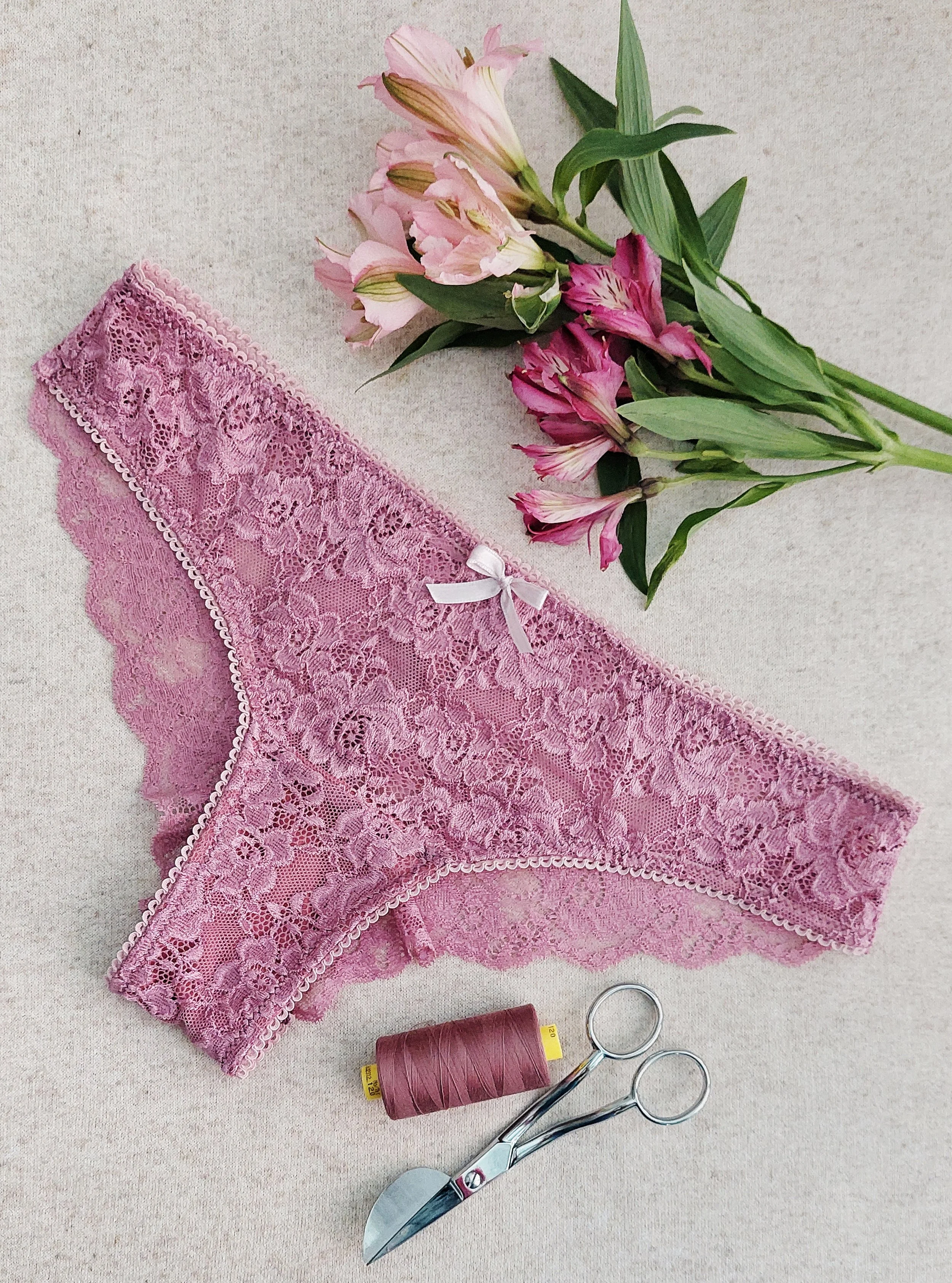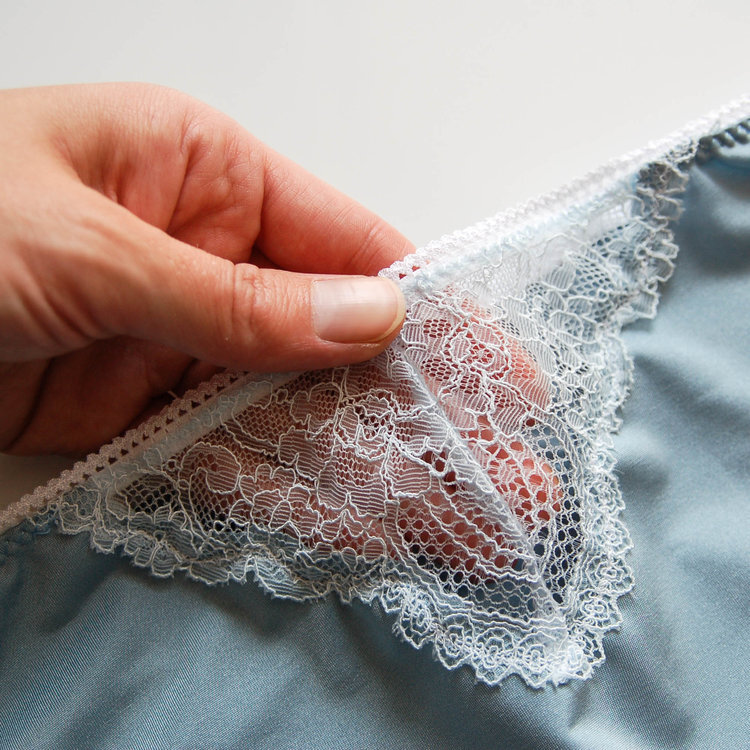
CC bralette Mara día 1 // Mara bralette Sewalong day 1

 
www.studiocostura.com

Hola! Empezamos con el CoseConmigo para el patrón bralette Mara. Muchísimas gracias a todas que os habéis lanzado a comprar el patrón desde que lo publiqué, vuestra buena respuesta se agradece enormemente. He trabajando mucho tiempo para preparar este patrón y me alegro mucho de que os guste!

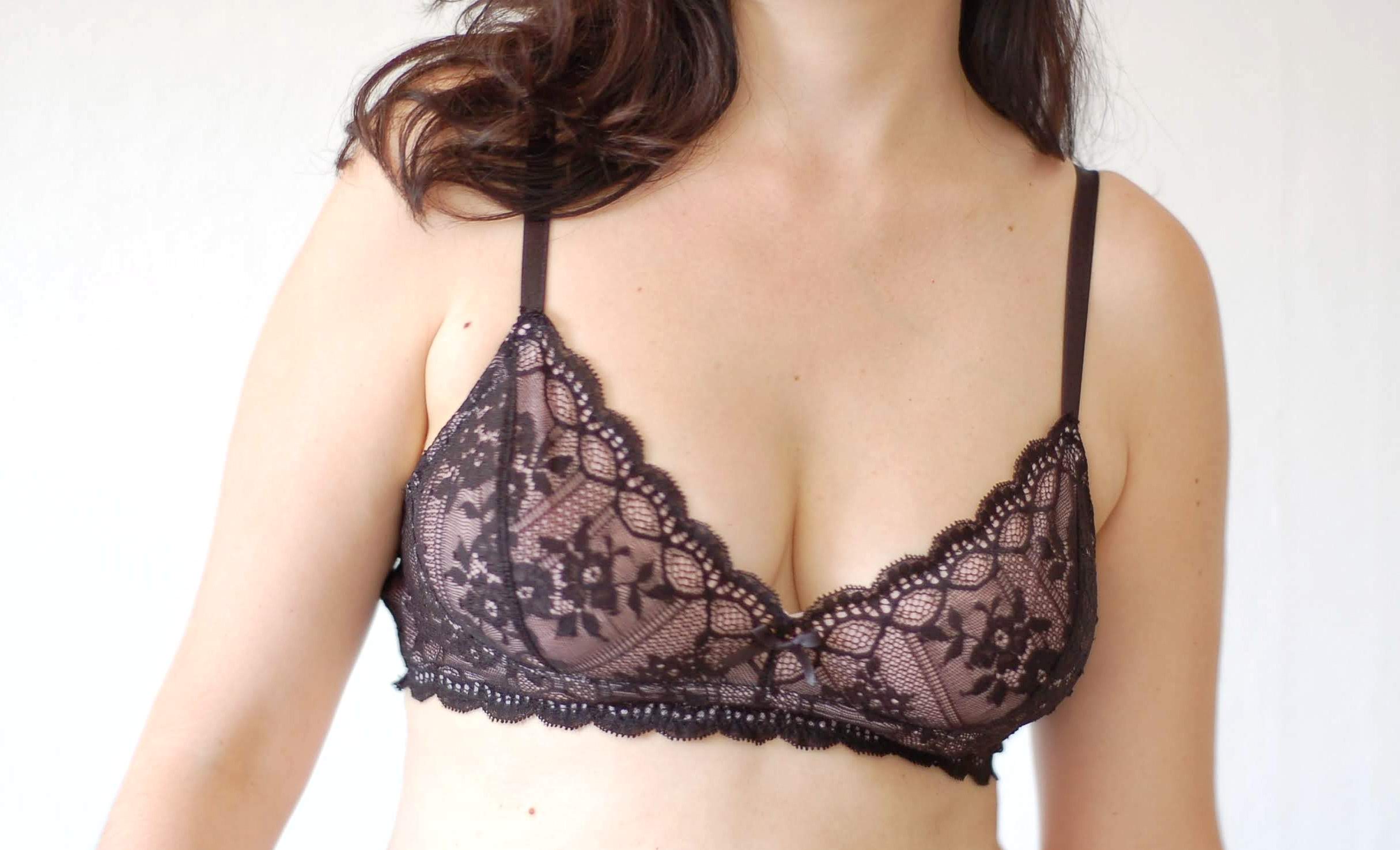
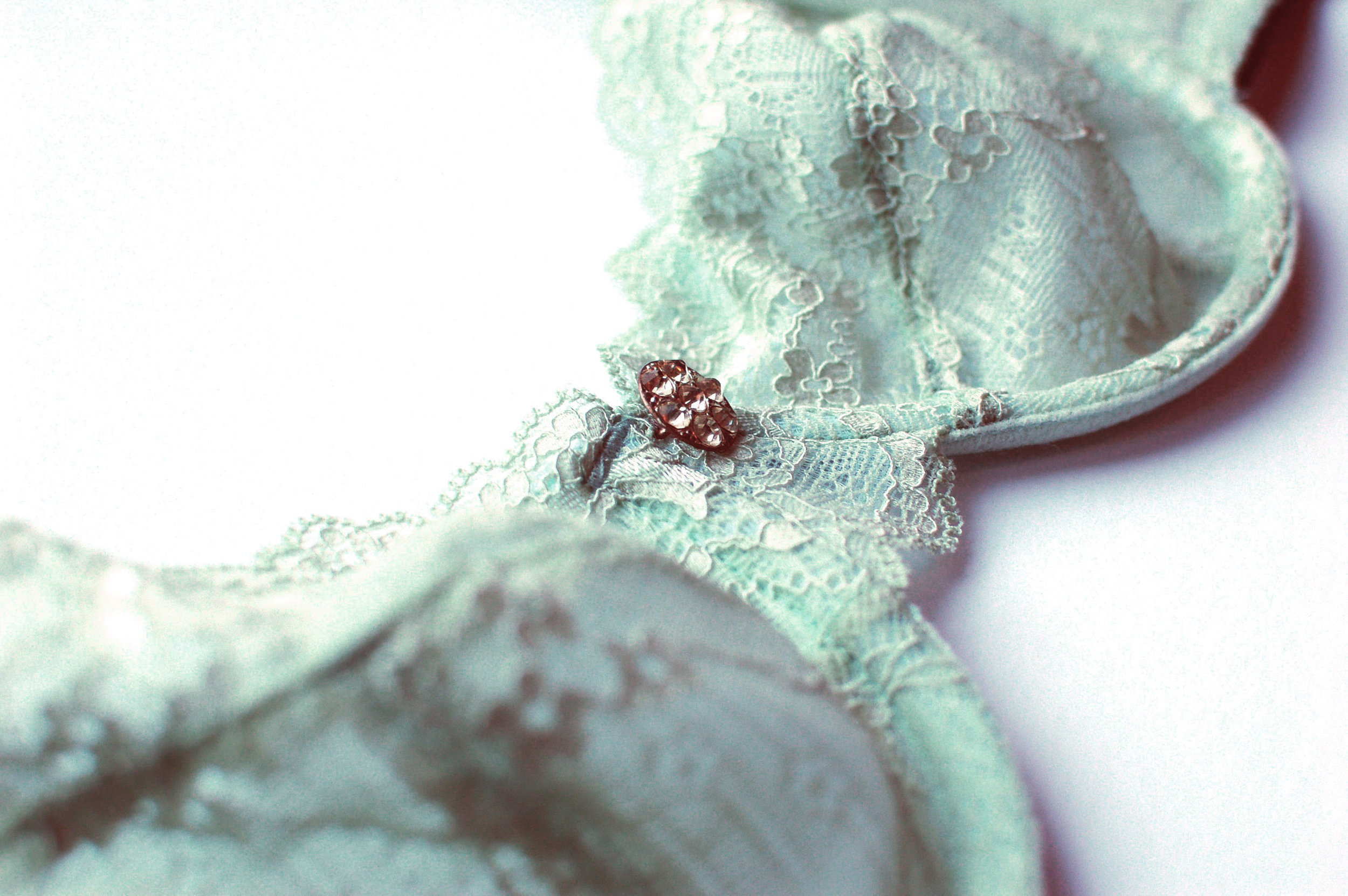
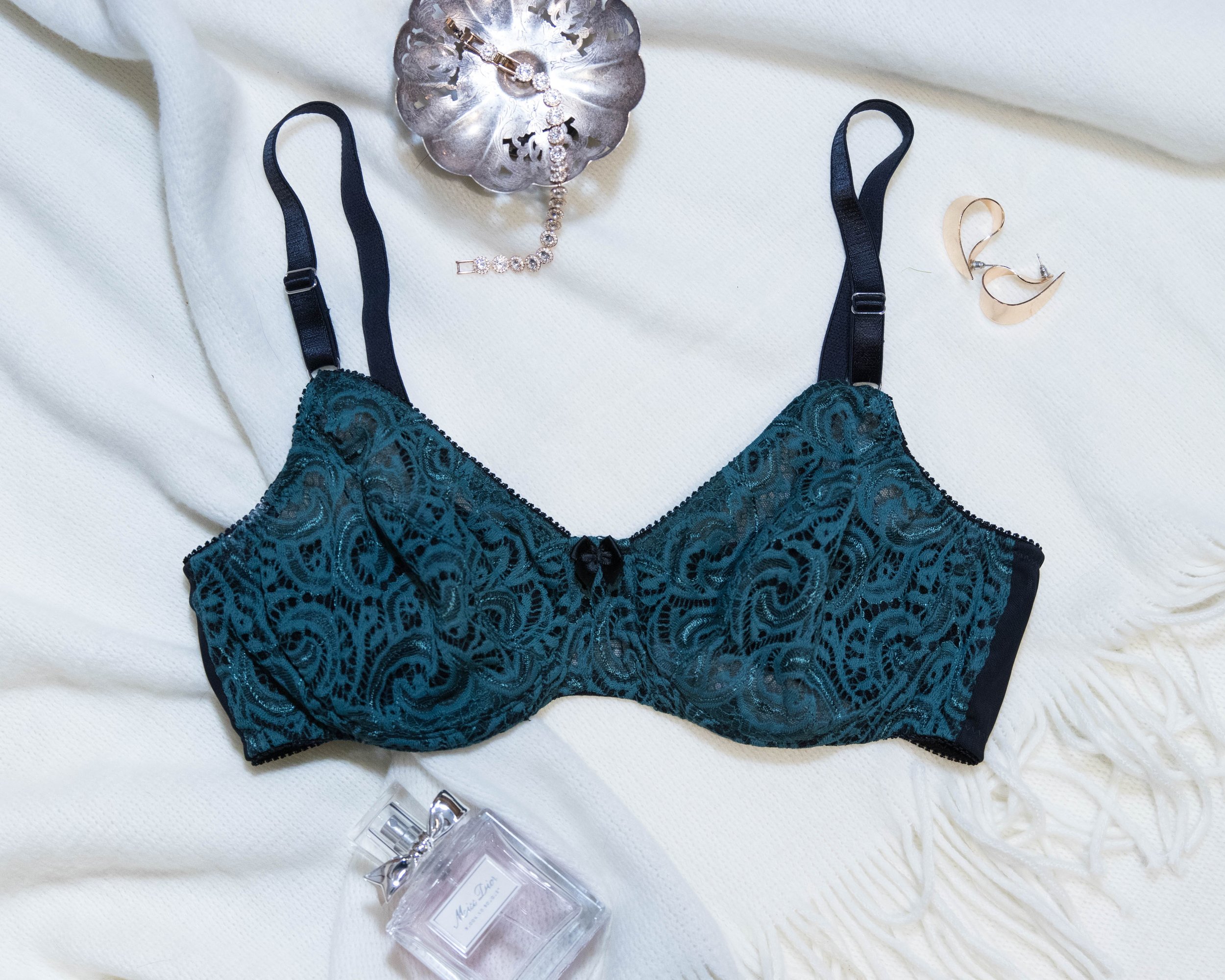
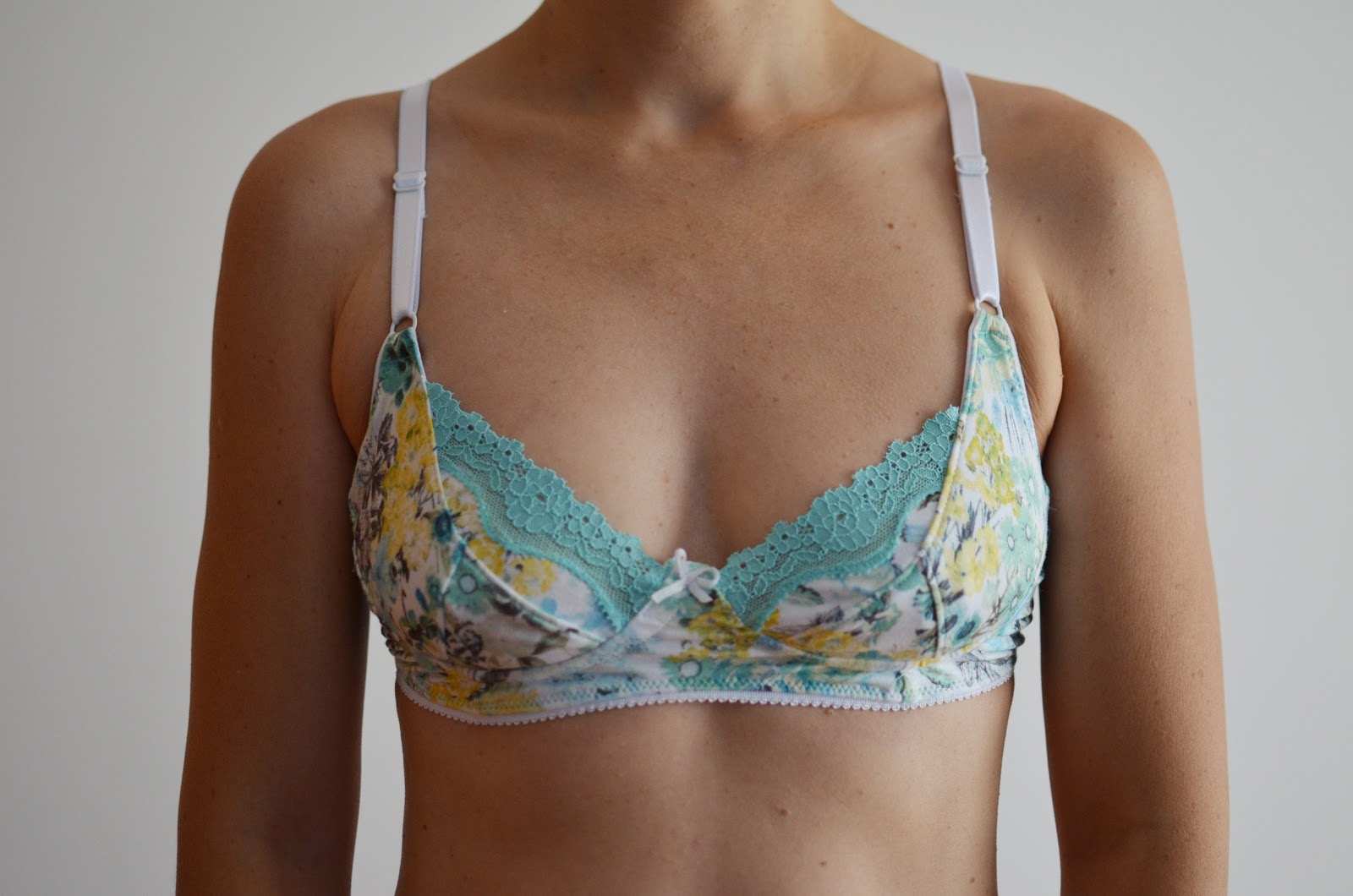
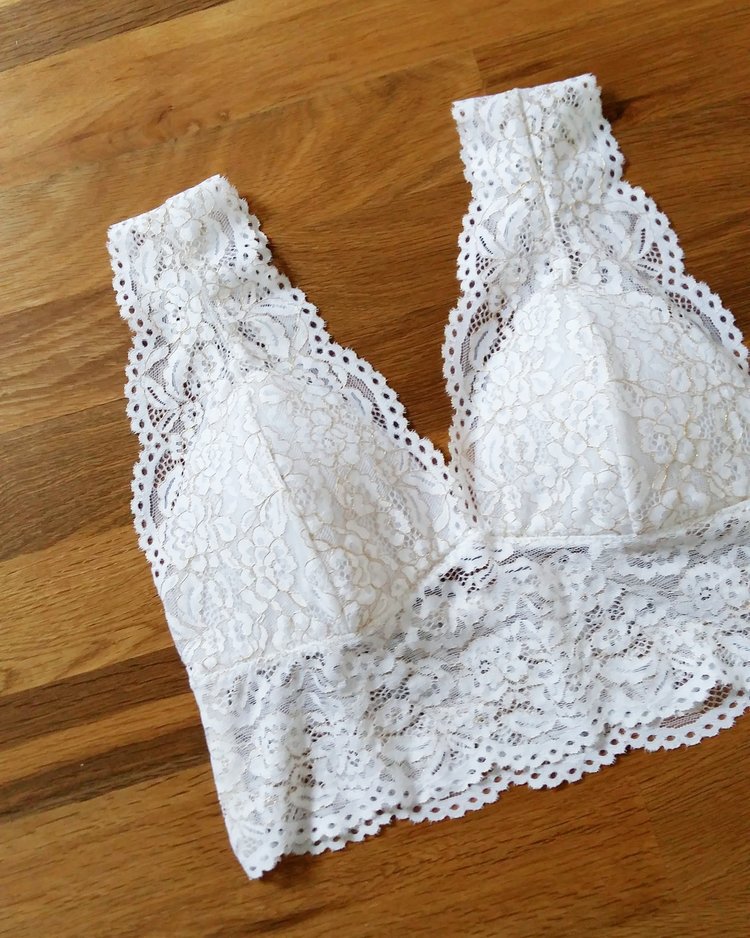
Hoy os enseño algunas fotos de bralettes con cortes similares y espero que sean de inspiración para vuestros proyectos (todas las fotos son de mi carpeta de Pinterest donde podéis ver más inspiración para coser vuestra lencería). Cada tela, encaje y color cambian tanto el aspecto de bralette así que lo podéis hacer totalmente a vuestro gusto. Luego os cuento sobre los materiales necesarios para coser este patrón.

Hey! Today we're starting the sewalong for the Mara bralette pattern. Thank you so much everyone who has ordered my new pattern since the release date, your good response is really appreciated. I’ve worked a long time on this pattern and I’m really happy to see that you like it too!

Today I'm sharing some photos of bralettes that have similar style lines as this pattern and I hope they will be an inspiration for your own sewing projects (all photos are from my lingerie inspiration board on Pinterest). Every fabric, lace and color change so much the appearance of the bralette so you can really make it as you want. I will also tell you about supplies you need to sew with this pattern.

13.jpg
6.jpg
4.jpg
21.jpg

La versión original de este patrón tiene la puntilla en el escote y el resto de los bordes están rematados con elástico. Puedes combinar colores y hacer mezclas de tonos o contrastes. Puedes probar a añadir más tirantes o detalles extra para hacer algo diferente.

The original version of this pattern has scalloped lace edge on the neckline and the rest of the bralette is finished with elastics. You can mix up colors, tones and contrasts. Adding extra straps or other cute details makes a big difference too.

9.jpg
3.jpg
22.jpg
7.jpg
5.jpg
25.jpg
10.jpg
8.jpg
16.jpg
14.jpg

Cuando diseñé a este patrón quería que sea lo más fácil de adaptar para usarlo en con diferentes materiales y cortes. Una cosa que tenía claro era que le quedaría bien también el borde la puntilla en el bajo y por eso esta parte del patrón está recto. Es un cambio de patrón muy sencillo, realmente ni siquiera es cambio, solo se cambia la manera de cortar y coser el bajo, os lo explicaré paso a paso después de las entradas de CoseConmigo “básico” cuando nos ponemos con las variaciones.

Puedes tener la puntilla en la banda para que sea poquito o puedes dejarlo bastante más largo como en las últimas fotos, el resultado queda muy mono.

When I designed this pattern I wanted it to be easily adaptable to use it with different materials or styles. One thing I was sure about was that it would look great with the band cut on scalloped lace edge too. That’s why I left it straight in order to easily make this adjustment. It’s a very easy hack…well it actually really isn’t even a hack, you just have to cut the pieces the other way and sew the band elastic differently. I will make a separate post about it once the “basic” sewalong is done.

You can show off a bit of scalloped lace edge on the band or you can leave it extra long like on the last photos, it looks very pretty!

2.jpg
18.jpg
20.jpg
12.jpg

Combinaciones de encaje con punto también quedan muy bonitas, puedes usar puntillas elásticas estrechas como éstas, o puedes cortar parte del bralette con telas de punto y otra parte con encaje.

Lace and knit combinations also look very pretty, you can use narrow lace trims like these or you can cut some parts of your bralette out of knits and other parts out of lace.

11.jpg
17.jpg
23.jpg
15.jpg

Y obviamente puedes coser este bralette con solo telas de punto, no hace falta usar encajes. Es otra variación que explicaré después de los primeros posts del CoseConmigo pero es muy fácil: solo tienes que añadir márgen de costura para la parte de la copa en el escote (igual que en este tutorial de bralette Hanna). Estampados, lisos, flores…las posibilidades son muy amplias para que cosas un bralette con la tela que más te guste.

And of course you can use only knit fabrics for this pattern, no need to use lace if you don’t want to. It’s another version I will show you once the basic sewalong is over but it’s very easy: you only need to add seam allowance for the inner cup piece (like in this Hanna bralette tutorial). Prints, solids, florals…there are so many possibilities to sew a very special bralette exactly as you prefer.

www.studiocostura.jpg

Materiales

ENCAJE 

El patrón está diseñado para encajes elásticos y telas de punto. Lo ideal es que el encaje tenga por lo menos 50% de elasticidad. Si no sabes cuánto es el porcentaje del encaje (o de cualquier tela) es bastante fácil averiguarlo. Coge un trozo de 10 cm de encaje y estíralo hasta donde se da de sí y mide el resultado. Si puedes estirarlo hasta 14 cm tiene la elasticidad de 40 %, si es hasta 16 cm, sería de 60% etc. Según la elasticidad de cada tejido cambia la forma de cómo va a quedar la prenda. No hay formas correctas e incorrectas, tienes que experimentar y probar!

TELA DE PUNTO PARA EL FORRO DE COPAS Y BANDA

Para que el bralette sea cómodo se forra con tela de punto. Puedes usar diferentes tipos de telas de punto, de nuevo, su elasticidad va a cambiar el resultado (recomiendo por lo menos 50-60% de elasticidad en las telas de punto para este patrón). Yo prefiero usar tul elástico o power mesh para un resultado más fino y transparente o punto de viscosa para más “cuerpo”. Si quieres que tu bralette tenga más "forma" aún puedes usar punto de algodón más fuerte, lycras o incluso telas como neopreno ligero. En el siguiente post os hablaré cómo elegir la talla y hacer una prueba, cuando usas telas distintas tienes que probar si el cambio de elasticidad varia el resultado. Los puntos que tienen la elasticidad en dos direcciones suelen ajustarse mejor que los que solo tienen elasticidad en una dirección pero todo es cuestión de probar!

Lo que os quiero decir es que el tema de las telas es todo un mundo. Ahora se venden todo tipo de telas de punto y tú tienes que ir probando qué es lo que más te gusta. No recomiendo puntos gruesos porque tendrás que coser los elásticos doblandolos encima del encaje y la tela...si el conjunto de todo esto es demasiado grueso tu máquina te puede dar problemas.

FORRO DE LENCERÍA PARA LA BANDA FRONTAL

Para la banda frontal hay que usar forro de lencería (sheer lining o bra tulle o tricot lining en inglés): es una tela fina pero no elástica (por lo menos una dirección tiene que ser sin elasticidad) que ayuda a estabilizar la zona de la banda frontal. Este patrón está diseñado para que la parte central sea rígido, de allí viene el soporte del bralette.


SUPPLIES

LACE

This pattern is designed for stretch lace and knit fabrics. The ideal lace would have aprox 50% stretch. If you don't know the stretch percentage of your lace (or any fabric in that case) you can easily calculate it. Pick a 10 cm long piece of lace and stretch it as long as you can, measure the result. If it measures 14 cm, it would have 40% of stretch, if it measures 16 cm, it would be 60% of stretch etc. Every knit fabric and lace will change slightly the final result. There are no correct or incorrect ways, you just need to experiement and try them out!

KNIT FABRIC FOR CUP AND BAND LINING

To make the bralette extra comfortable it has a knit fabric lining. You can use different types of knits, again their elasticity will vary the result of the garment (I recommend knits with 50-60% stretch for this pattern). I prefer stretch mesh or power mesh for a more delicate and a bit transparent result or viscose knits for more supportive result. If you wish to have more support you can use stronger cotton knits, lycras or even lighter scuba knits. In my next post I will guide you more about choosing the size and how to make a muslin, using different types of knits really makes a difference there. The knits with a four-way stretch are usually more comfortable than the ones with a two-way stretch but it really depends so you can try it out!

I just want to say that fabrics vary so much. You can buy so many different knits these days and you just have to experiment and see what's best for you. I don't recommend heavier knits as you have to apply the elastics later on and sewing trough double layer of bulky fabrics won't be easy on your domestic machine.

SHEER LINING FOR THE FRONT BAND

For the front frame you need to use a sheer cup lining/tricot fabric (or bra tulle): it’s a rigid light weight fabric that doesn’t stretch (at least one direction has to be without stretch), it helps to stabilize the front part of the bralette. This pattern is designed with this rigid front band in mind, that’s why it’s more supportive than bralettes with just knit fabrics.

www.studiocostura.com

ELÁSTICOS

Para la lencería se usan elásticos específicos que suelen tener un lado suave (el que se queda contra la piel) y un lado decorativo que se ve (puedes leer este post en mi blog donde escribí más sobre los elásticos de lencería). En este patrón los margenes de costura están hechos para elásticos de 10 mm de ancho. Puedes usar en el bajo un elástico más ancho (tipo 15 mm) si quieres más soporte, lo que pasa es que tendrás que cambiar márgenes para no hacer el bralette más pequeño. Para la parte de la sisa podrías usar también un elástico más fino, de 7-10 mm, allí no necesitas tanto soporte (de nuevo si cambias el ancho de elástico tienes que modificar los margenes de costura). Básicamente puedes hacer pequeños cambios según los materiales que tengas o prefieras, yo puse el elástico de 10 mm en todo el bralette pensando en vosotras para que no tengáis que buscar muchos elásticos distintos y que la lista de los materiales sea lo más corta posible.

Para rematar el borde de la copa interior se usa el elástico fino de lencería (lo mismo que se usa para las braguitas). También puedes usar elástico transparente de silicona si lo prefieres.

ELÁSTICO DE TIRANTE & LOS ARANDELAS Y LOS REGULADORES

El tirante que lleva este bralette es de 10 mm con sus arandelas y reguladores del mismo ancho. Si queréis podéis usar un tirante más ancho para más soporte (o más fino también), no hace falta hacer ningún cambio al patrón. Simplemente usa las arandelas y reguladores acorde al tamaño de tu tirante.

CINTA RECUBREAROS

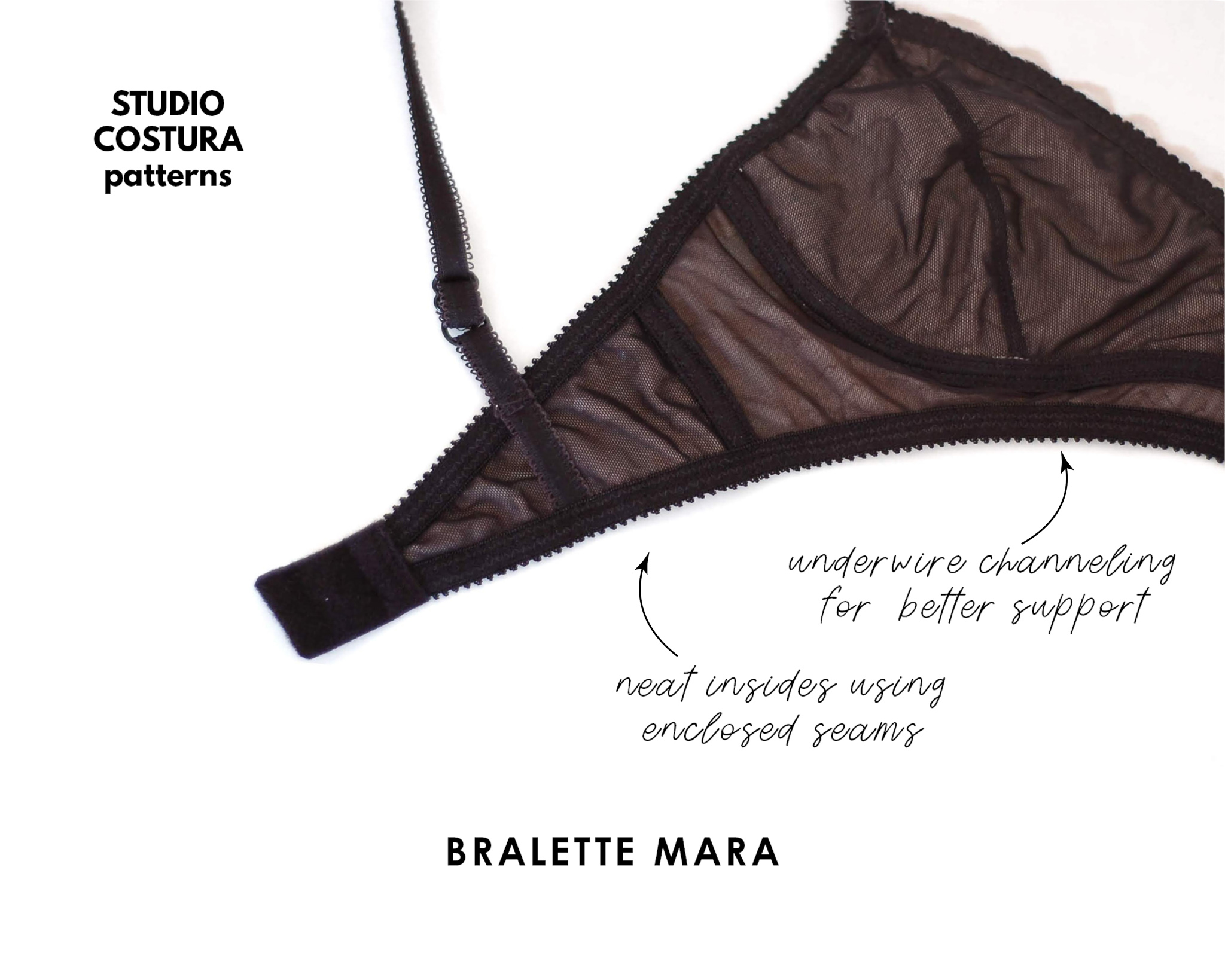
La cinta recubrearos se usa en los sujetadores con aros para insertar los aros. En este bralette lo usamos para dar estabilidad a las copas, se coserá debajo de las piezas de las copas y la cinta ayuda a dar más soporte al pecho.

EL CIERRE

El patrón está pensado para un cierre de dos filas pero se puede usar el de tres filas también. No he puesto allí el ancho específico del cierre porque varian bastante según la tienda donde lo compres. En las instrucciones se explica cómo adaptar el patrón de la banda al ancho concreto de tu cierre.


ELASTICS

There are special lingerie making elastics used fo this purpose that usually have a plush back (the one that will be againts the skin) and a decorative edge (you can read this post on my blog where I wrote more about lingerie elastics). This pattern has seam allowances for 10 mm wide elastics. You could use a wider elastic (like 15 mm wide) for the bra band to have more support but you have to remember to change the seam allowances in order not to make your bralette too small. For the underarm area you could use also a narrower elastic (7-10 mm), you don't need so much support in that area (again you have to be careful with the seam allowances). Basically you can mix things up a bit acording to your own likes and depending on what materials you have in hand. I did include 10 mm elastics in the supply list as I wanted the list to be as small as possible so you don't have to go to look for too many supplies.

To finish off the inner cup seam you need to use a narrow lingerie elastic (the same one as used on the panties) or transparent clear elastic tape.

STRAP ELASTIC & RINGS AND SLIDERS

This bralette has a 10 mm strap elastic with the same width rings and sliders. If you'd like to use wider straps for more support (or narrower if you wish) you can perfectly do so, you don't need to change the pattern for this.

UNDERWIRE CHANNELING TAPE

Underwire channeling tape is used in underwired bras to insert the underwires. In this bralette it’s used to stabilize the cups, it will be sewn under the cup pieces and it heps with supporting the breast even without using underwire.

THE CLOSURE

The pattern is drafted for a two row hook and eye set. I din't put the exact width of the closure on the list as they vary quite a lot depending on where you buy them. You can use a three row hook and eye set or any other width of closure, there are instructions about modifying your pattern pieces to fit your closure.

www.studiocostura.com

Consejos para copas pequeñas:

Si tu contorno/copa es pequeña (AA/A) en general tienes menos problema con los materiales. Puedes forrar tu bralette con tul finito o cualquier otra tela de punto. Incluso puedes optar por no forrar la parte delantera con forro rígido y usar el mismo forro de punto ya que no necesitas casi soporte (hice la prueba y me va bien incluso sin eso). Una de mis testers tampoco usó la cinta recubrearos y en vez de eso dejó los márgenes de costura de las copas entre las dos piezas de la banda…con copa pequeña tienes bastantes opciones si no cuentas con todos los materiales por ejemplo. Puedes usar elásticos incluso más finos en la sisa y en la banda aunque yo aún así prefiero usar los de 10 mm que me parecen los más cómodos.

Consejos para copas grandes:

Si tu contorno/copa es más grande (C/D) ayuda mucho si usas materiales más resistentes ya que tu bralette te dará más soporte y estarás más cómoda aún sin llevar los aros. Para forrar tu bralette deberías usar tul elástico más firme (power mesh) o incluso puedes usar el tul elástico más suave en doble capa para que sea más fuerte. También puedes usar punto de viscosa o punto de algodón tipo camiseta. El elástico de bajo puedes elegir más ancho, el de 15mm va bien (el patrón tiene márgenes de 10 mm pero en principio puedes usar un elástico de bajo de 15 mm sin cambiar nada porque el elástico sí que cabe allí una vez que lo doblas pero también podrías añadir 5 mm al bajo de la banda y la banda frontal para no cambiar las medidas terminadas). El tirante también lo puedes usar más ancho, no tienes que cambiar nada y vas a estar más cómoda. El cierre lo puedes poner de tres filas, comprueba el ancho de patrón según las instrucciones!


Recommendations for smaller bust:

If your band/cup is on the smaller scale (AA/A) in general you don’t have a lot of problems with supplies. You can use lightweight stretch mesh for the lining of your bralette or you can also use any other kind of knit fabric. You could even not use sheer lining to stabilize the front band as you don’t need so much support (I did make a sample like this and I found it nicely fitting). One of my testers didn’t use underwire channeling tape and instead left the seam allowances of the cup pieces between the two front band pieces…if you have small cups you can really play around with supplies if you don’t have everything requiered on the supply list. You can also use narrower elastics for the underarm and the band but I really prefer using the 10 mm elastic as I find it more comfortable.

Recommendations for bigger cups:

If your band /cups are bigger (C/D) it really helps to use more stable fabrics and the bralette will give you more support even without wires. You can use power mesh or double layer of stretch mesh for the lining. Viscose and cotton knit fabrics are also a good choice. You can use wider band elastic, 15 mm wide is great (the pattern has 10 mm seama llowance but the 15 mm band elastic can still be sewn on the band without modifications…or you can also add 5 mm extra seam allowance in order to maintain the same band width). Use a wider strap elastic, you don’t need to change anything and you’ll have a more comfortable fit. You can also use a three row closure, check the width of your closure according to the instructions!

www.studiocostura.com

Si quieres usar un kit específico para este patrón puedes comprarlo en mi tienda de Etsy elegiendo la opción "kit de sujetador con aros" bajo (casi) todos los kits de la tienda. Si te gustaría cambiar algo en ese kit me puedes escribir allí en Etsy y te asesoro cómo hacerlo. También tienes la opción de comprar el patrón con el kit directamente (sale más económico!)

Otras tiendas para comprar materiales que te puedo recomendar son Tailor Made Shop(EE.UU.), Emerald Erin (Canadá) y B.Wear (Suecia).


If you'd like to use a specific kit for that pattern you can buy one at my Etsy shop. Choose the option "Underwire bra kit" under (allmost) any of the kits in the shop. If you'd like to change something in that kit you can write me at Etsy and I see what I can do. You also have an option to directly buy the kit and the pattern together (it’s cheaper that way!).

Other places I recommend to buy lingerie making supplies are Tailor Made Shop (USA), Emerald Erin(Canda) and B.Wear (Sweden).
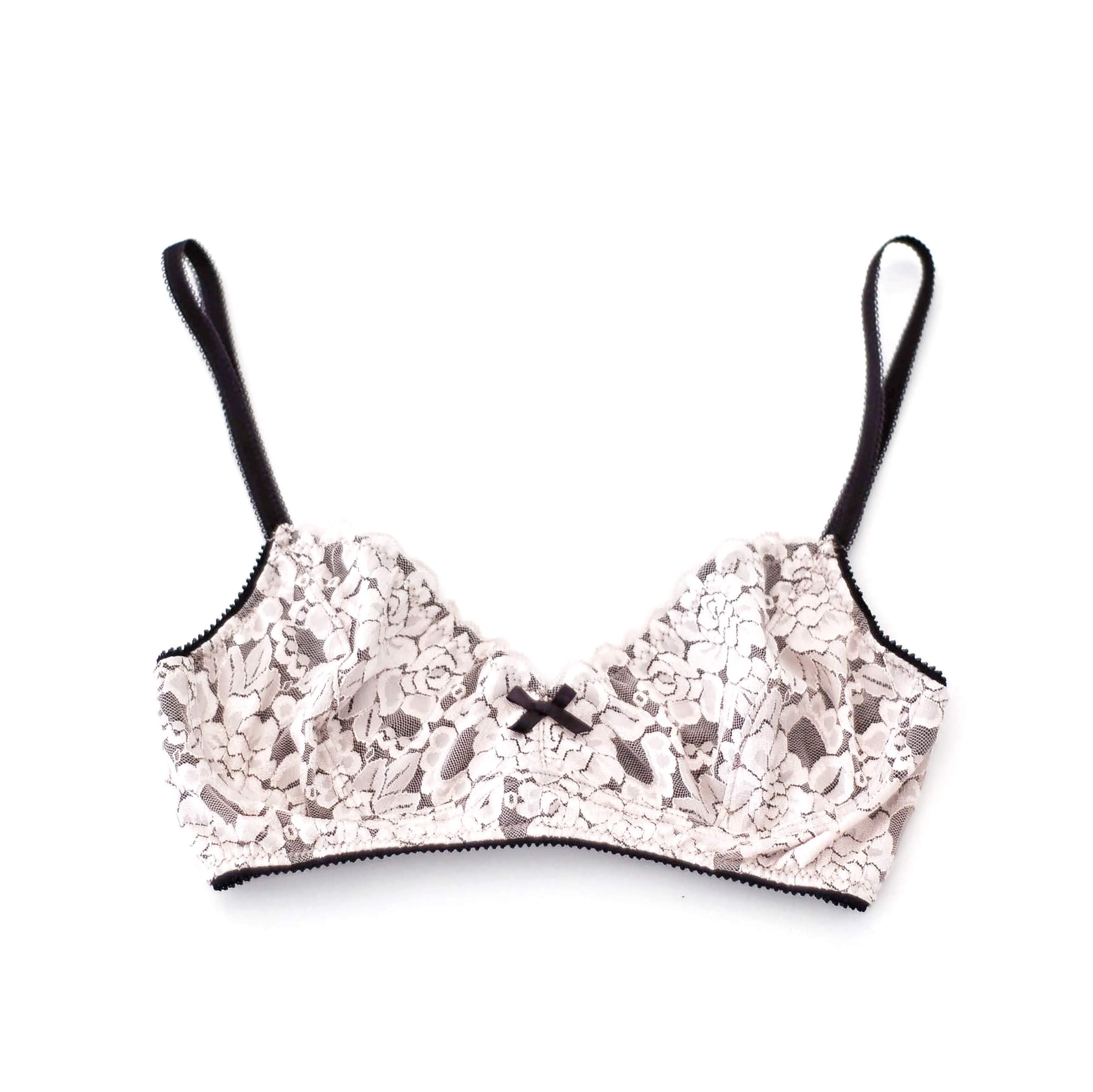
 

Nuevo patrón bralette Mara // New pattern Mara bralette

 
www.studiocostura.com

Hola! Qué ganas tenía que llegue este día, por fin os presento mi nuevo patrón de lencería: el bralette Mara. Es el patrón con que más he trabajado de todos los que he hecho y la verdad es que estoy muy contenta con el resultado. Ahora os cuento cómo es y por qué me gusta tanto!

Hey! I’m really glad that the day has arrived, I can finally present you my newest lingerie sewing pattern Mara bralette. This pattern is a big labour of love for me as it has been the one with the longest process since I started to design patterns and I’m really happy with the result. I’ll tell you all about it and why I like it so much!

www.studiocostura.com

Igual que Hanna, mi primer patrón de bralette, Mara no lleva aros. Pero esta vez quería que en general haya más soporte y he diseñado pensando en ello. Primero: este bralette tiene la banda separada de las copas y en la parte delantera lleva el forro de lencería para estabilizar la zona y dar más soporte. Otra cosa que hace que incluso las copas más grandes pueden sentirse bien sin aros es que el bralette sí que lleva la cinta recubrearos cosido debajo de las copas...este pequeño detalle hace una gran diferencia. Y ya que estamos hablando de las tallas...esto quizás es lo más novedoso del todo: esta vez el patrón tiene el tallaje como los sujetadores y en vez de S, M, L etc tenemos tooooodo de 65AA hasta 95D (en sistema europeo), en total son 35 tallas únicas! Realmente quería tener estas tallas ya cuando hice la Hanna pero no estaba todavía preparada para realizar este trabajo...pero esta vez lo he conseguido y espero que esto abre la posibilidad de coser este bralette para muchas más personas que antes con Hanna no lo hicieron por el tema de tallas (ya que estamos voy a decir que en mi lista está tanto pasar a Hanna a este sistema de tallaje también, como patronar estos dos patrones en contornos y copas más grandes también...va a costar un tiempo pero quiero hacerlo en breve!).

Like my first bralette Hanna, Mara does not include underwires. But this time I wanted to offer more support and I’ve designed with this in mind. First of all: this bralette has a separate front band and it’s lined with sheer lining to stabilize this area and to give more support. Another thing that makes it more comfortable for bigger bust is sewing underwire channeling tape on the cup seams…this little detail makes a big difference. And as we already are talking about sizes…this is probably the biggest change: this time instead of using the S, M, L etc sizing there are allll the bra sizes starting from 65AA until 95D in European sizing (30AA-42D in United States), in total there are 35 different sizes! I actually wanted to draft Hanna in this sizing when I was working on it too but I wasn’t ready for that kind of work back then…but this time I made it through all of the patternwork and I hope this bigger size range will give an opportunity for more sewers to try out this pattern (and as we are talking about more sizes: I will also redraft Hanna in this size range and I also will offer both of these patterns in bigger cup and band sizes too…it will take some time but I hope to get it done soon!).

www.studiocostura.com

Aparte de estas novedades del patrón puedes esperar un buen básico que se puede hacer en encaje como la versión original y también con telas de punto. Las copas están forradas con tela elástica, así que es más fácil conseguir un buen ajuste y al no tener aros tendrás la comodidad garantizada.

Tengo muchas versiones en la cabeza y poco a poco voy a ir confeccionandolos para enseñaros las diferentes maneras de adaptar este patrón. Ya sabéis que me gusta siempre hacer patrones que sean bases para que a partir de ellos hagáis lo que vosotras más queréis.

Apart from these new things you can expect a good basic pattern that you can sew up like in the original version and also with knit fabrics. The cups are lined with knit fabrics so it’s easier to get a good fit and as there are no underwires, comfort is the number one thing here.

I have so many versions in my head and little by little I’ll be sewing them up to show you the diffrent ways how you can adapt this pattern. As you already know I like to make patterns that are basics for you to work up from.

www.studiocostura.com

Para coser Mara se necesita más o menos lo mismo que lo que se usa para sujetadores con aros, podéis ver la lista en la página de patrón en mi tienda. Si compráis kit de lencería sería uno para sujetadores con aros (se necesita la cinta de recubrearos y el tejido estabilizante para el centro delantero). En la tienda también tengo la opción de comprar este patrón directamente con el kit.

Las instrucciones como siempre están detalladas: con fotos, dibujos y texto. He usado técnicas de confección para que todo el bralette sea bonito por fuera y por dentro. Aprendes a cortar encaje, hacer costuras encubiertas, aplicar elásticos, coser la cinta recubrearos etc. Es un patrón más complicado de nivel que Hanna pero si ya coses este bralette vas a poder coser un sujetador con aros tranquilamente, se usan todas las mismas técnicas! No es muy difícil pero estamos trabajando con tejidos que se mueven mucho ya las piezas son relativamente pequeñas...podéis prepararos para un rato de concentración, algo de desafío y seguramente mucho orgullo costuril al verlo terminado.

To sew Mara bralette you need the same supplies as for an underwired bra, you can see the full list of supplies on Etsy. If you buy a bramaking kit you should choose an underwired bra kit (you need underwire channeling tape and rigid lining fabric for the front band). I have also the option to buy this pattern together with the kit in my shop.

As always the instructions are detailed: tehre are photos, drawings and text. I’ve used sewing methods that ensure neat finishings both on the outside and the inside of the bralette. You’ll learn how to cut lace, sew enclosed seams, apply elastics and the channeling tape etc. It’s a more complicated pattern than Hanna but once you sew this one up you’ll be prepared to sew an underwired bra too, all the same construction methods are used in this pattern! It’s not too difficult but the materials are a bit tricky and the pieces are quite small…prepare yourself for concentration, some challenges and a lot of pride once you’ll see it finished.

www.studiocostura.com
 

Esta vez haré de nuevo el CoseConmigo entero porque quiero que tengáis toooda la información y dudas resueltas, no hay excusas para no coser el bralette Mara! Empezamos con materiales e inspiración y seguimos paso a paso hasta completar este bonito modelo.

Este patrón es el resultado de un trabajo largo y he intentado poner en él todos mis conocimientos para hacer algo que sea bonito y práctico, espero de verdad que os guste! Este trabajo no hubiera sido posible sin mis testers: gracias chicas por todas vuestras correcciones, sugerencias y tiempo, ha sido un lujo teneros a mi lado. Grandes agradecimientos también a mis modelos, así se ve el bralette realmente precioso! Así que estoy muy feliz de por fin compartir Mara con vosotras...ahora me pondré con el CoseConmigo para animaros a probar este bralette!

*el patrón tiene el descuento de -10% hasta este domingo, 7 de julio. Usa el código MARALAUNCH al comprar!


This time I will write a full sewalong again as I want you to have all the information, there won’t be excuses to not sew this bralette! I’ll start with supplies and inspiration, we’ll continue with step by step posts until you sew up this pretty style.

This pattern is a result of a long work and I tried to put all my knowledge in it to make it as pretty and as practical as possible, I really hope you like it! This work would not have been possible without big help from my testers: thank you so much ladies for your tips, corrections and time, it has been an honour to have you on my side. Also big thanks to my models, now this pattern really looks very beautiful. I’m really happy to finally share Mara with you…I’ll now move on to writing the sewalong, I really hope you will join with me!

*this pattern is on sale until this Sunday, 7th of July. Use code MARALAUNCH for 10% off!

Nuevo patrón de braguita Lili // New pattern Lili panties

 
www.studiocostura.com

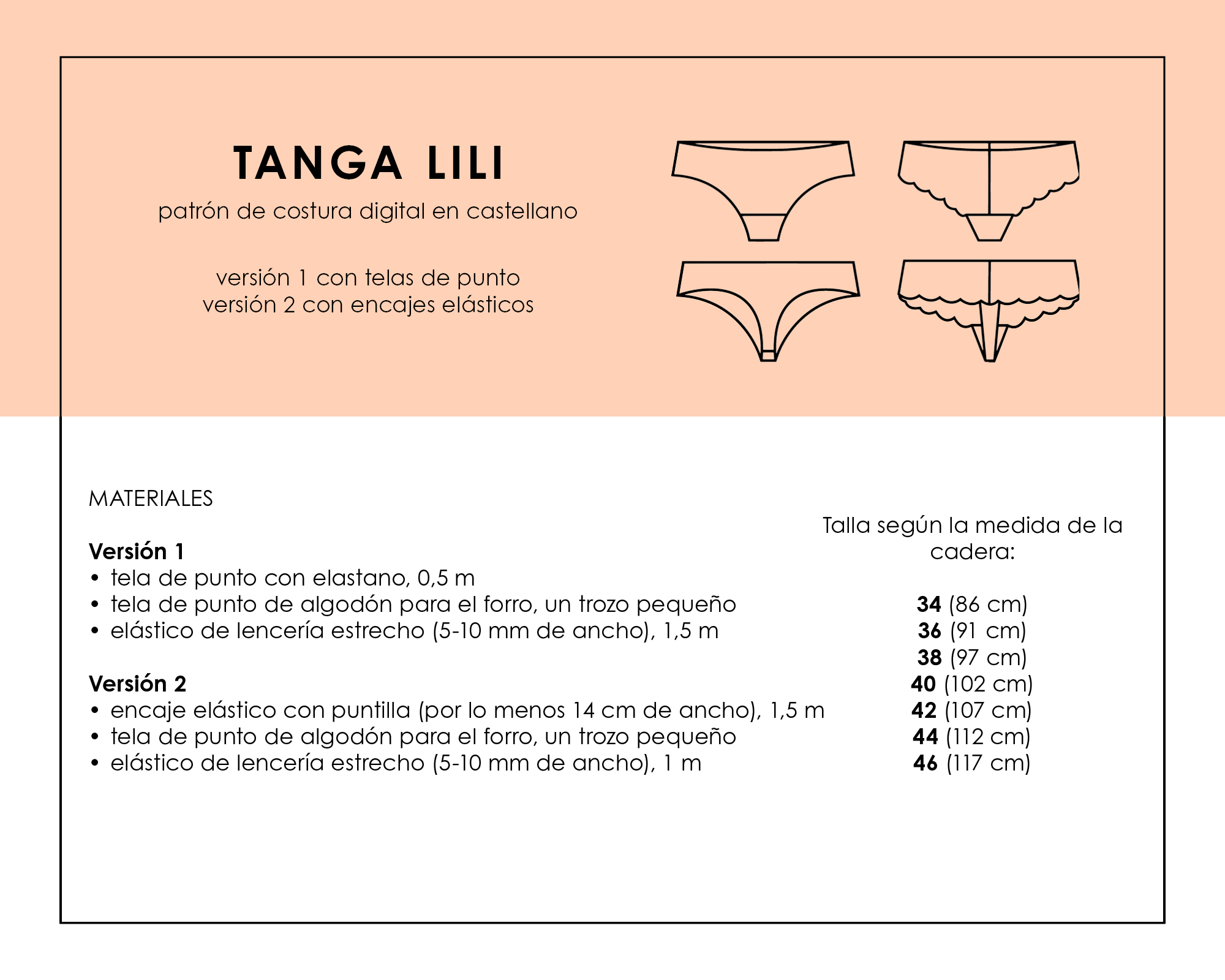
Hola, es la hora de presentaros mi último patrón de lencería, aquí va Lili! Es un patrón de braguita tipo tanga que viene (como de costumbre en mis patrones) en dos versiones, tanto para telas de punto como para encajes elásticos.

Hey, it’s time to presnt you my newest lingerie sewing pattern: here goes Lili! It’s a pantie pattern with a thong style that comes (as usually in my patterns) both in knit and stretch lace versions.

www.studiocostura.com

Ya era hora de añadir un corte de este estilo a mi colección de patrones! La versión de punto es sencillo y lleva elásticos en la cinturilla y en las aberturas de las piernas, podéis usar todo tipo de diferentes telas de punto para coserlas, eso sí, tienen que tener elasticidad.

It was about time to add a style like this to my lingerie pattern collection! The knit version is simple and has elastic sewn into the waist and leg openings. You can use many different knit fabrics to sew this pair, as long as the fabric has stretch in it.

www.studiocostura.com

La versión de encaje es realmente bonito ya que se ve la puntilla tanto en la parte delantera como en la trasera. Ya que este corte “no cubre mucho”, jaja, es ideal para usar los restos de encajes y telas que tengáis…seguramente las piezas os salen de recortes bastante pequeños.

The stretch lace version is really pretty as it has visible scalloped lace edge both on the front and back pieces. As this style “doesn’t cover a lot”, haha, it’s perfect for using up your fabric and lace scraps…I’m sure the pieces will fit onto quite small fabric pieces.

www.studiocostura.com

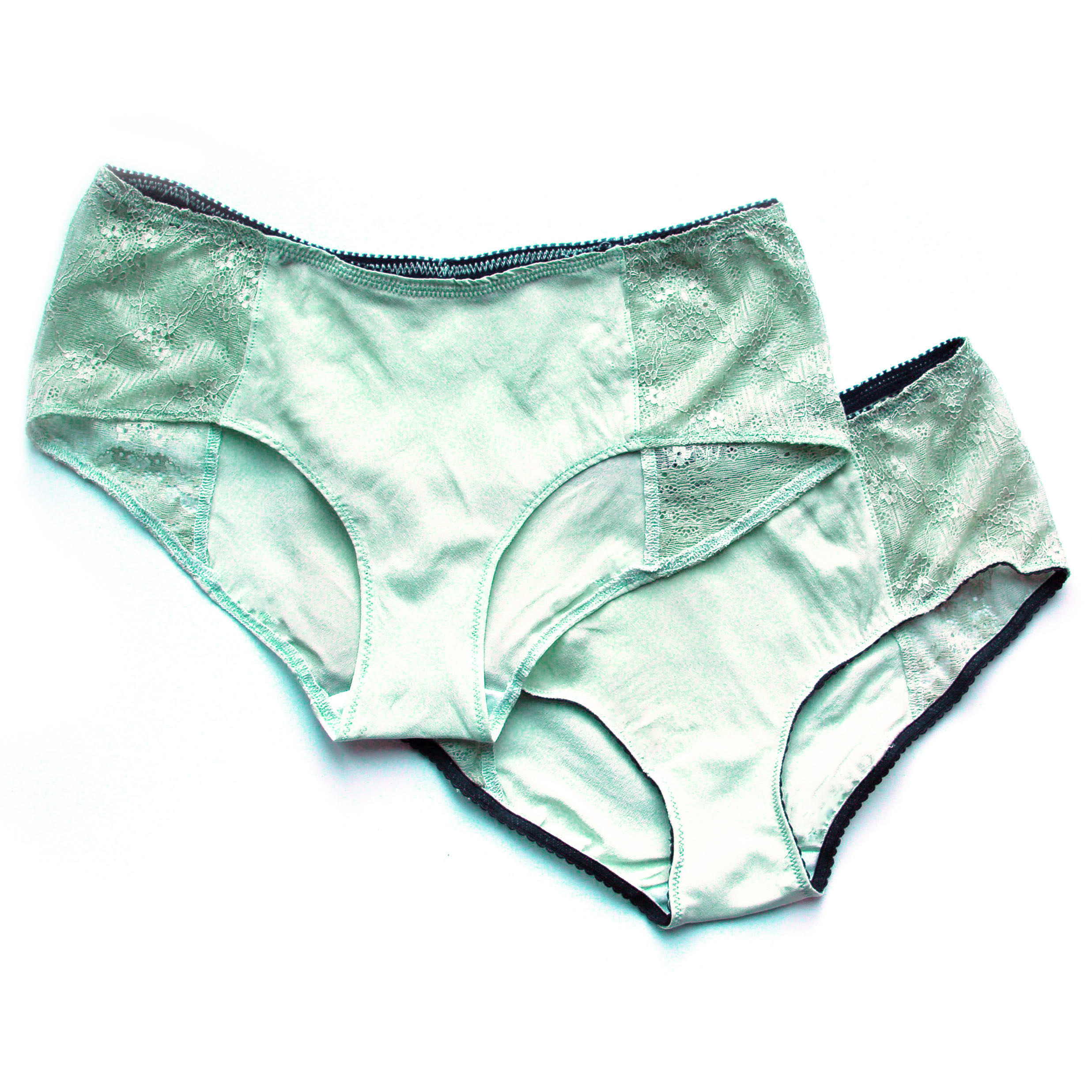
Como siempre el patrón es solo un punto de partida y podéis jugar con varios tipos de materiales para crear el par que más os guste. En este ejemplo añadí unos recortes de puntilla para la versión 1 y que muy bonito. Podéis ver éste tutorial para saber cómo hacerlo.

As always the pattern itself is only the starting point, you can play around with many supplies to make a very special pair just for yourself. I used small lace pieces for this pair made with version 1 and the result is beautiful. You can see this tutorial to see how to do it.

www.studiocostura.com

Y otra versión muy mona la hice usando puntilla elástica para las aberturas de las piernas. Para hacerlo podéis mirar éste tutorial. Usé la versión 2 del patrón como si fuera encaje y lo único diferente que hice fue primero unir los laterales de las piezas de punto en vez de unir los centros delantero y espalda. Así puedes colocar allí la puntilla elástica y seguir trabajando como si fueran piezas de encaje, es muy fácil!

And this other pair I made with narrow stretch lace for the leg openings. You can do the same following this tutorial. I used the vesion 2 as it would be lace I was working with. The only different thing I did was joining first the side seams instead of the front and back center seams. That way I could sew on the stretch lace first and then treat the pieces as lace, it’s very simple!

www.studiocostura.com

Normalmente no soy muy de lacítos pero esta vez les puse a casi todas las muestras uno porque me gustaba este pequeño toque cuqui, jaja. Ya sabéis que en la tienda tenéis los kits de braguitas por si queréis tener todos los materiales en un mismo pack o también podéis comprar encaje por metros y elástico fino para coser vuestro par. Las puntillas elásticas que vienen en muchos colores también lo tenéis disponibles allí. Espero que os guste este nuevo patrón! Haré un post de inspiración también para que os animéis más a coseros un par de Lilis! Y mientras tanto…pues a seguir trabajando porque lo siguiente que sacaré está ya casi para mandarlo a las testers…qué ganas de enseñaroslo!!!!

Normally I’m not a big fan of bows but this time I added little bows to almost all my samples as they looked so cute, hehe. As you know there are pantie kits in my shop if you want to get all the materials to sew your own pair of panties. You can also get the stretch lace per meter and combine it with narrow elastics and there’s quite a big section of narrow lace trim. I hope you like the new pattern! I’ll make a inspiration post for you too so you can see some cool ideas for thong style panties like Lili! And in the meantime…I’ll keep working as my next pattern is soon ready to send to the testers…I’m really exited to show it to you!!!


Studio Costura Lingerie Sewing Club: Toya from Made by Toya

 
www.studiocostura.com

Hola! Aquí está el nuevo post de Studio Costura Lingerie Sewing Club: os presento a Toya, la ilustradora de Londres quien también cose cosas maravillosas. Soy muy fan de sus proyectos de lencería desde que encontré su cuenta de Instagram: sus proyectos son muy bonitos y las fotos preciosas! Me encanta su estilo y ella también hace cosas preciosas para sus hijas. Os recomiendo mucho seguir su Instagram y su blog Made by Toya. Primero nos va a contar un poco más sobre su camino en costura.

Cuéntame un poco sobre tu trayectoria en costura: cuándo empezaste a coser y qué cosas te gusta hacer?

He cosido toda mi vida! Como muchas empecé con proyectos pequeños como haciendo vestidos para mis muñecas y luego en mi adolescencia empecé a coser prendas para mí. Después de tener hijos me veía más tiempo en casa y empecé a coser más y más cosas. Me encanta poder diseñar y coser ropa con mis hijas de la manera que nos gusta a nosotras, muchas veces alejándonos de la oferta que hay en las tiendas ya que a veces es limitada y llena de estereotipos. Mis proyectos favoritos son siempre los que incluyen reusar materiales viejos para darles una nueva vida y también proyectos de coser cosas prácticas que usamos una y otra vez.

Cuándo empezaste a coser lencería? Te pareció difícil? Qué patrones/recursos recomendarías a gente que está interesada en aprender a coser su propia lencería?

Coser lencería me pareció como un desafío y me gustan mucho los desafíos creativos. También había llegado a un punto donde mi armario consistía casi del todo de ropa hecha a mano o de segunda mano así que hacer mi propia lencería pareció como un paso natural. Siempre me ha encantado como lencería bonita me puede hacer sentir bien pero suele ser que eso incluye un precio elevado así que quería coserlo yo misma. Al principio me frustró un poco aunque la parte de coser no era difícil, lo que me costaba era entender bien los materiales, dónde conseguirlos y lo más importante: conseguir que el sujetador me quede del todo bien tardó un tiempo. Después de 4 o 5 proyectos sabía que ya no iba a volver a los sujetadores comprados en las tiendas porque hecho a medida es mucho mejor. He escrito un post sobre este camino de aprendizaje en mi blog con recursos de las páginas con información interesante sobre el tema.

Cuál es tu proyecto de lencería favorito que has hecho hasta ahora?

Uno de mis favoritos es desde luego el sujetador de tul con flores bordados a mano pero también me encanta el conjunto de seda de terciopelo en color morado y encaje negro.


Hey! Here’s the new post in Studio Costura Lingerie Sewing Club: meet Toya, a London based illustrator who also sews amazing stuff. I’m a big fan of her lingerie makes since I saw her Instagram feed: her sewing projects are beautiful and her photos are so stunning! Her style is amazing and she also makes the cutest clothes for her kids, you should definitely follow her work both on her Instagram feed and over at her blog Made by Toya. First, she will tell us a bit more about her sewing journey.

TELL ME A BIT ABOUT YOUR SEWING JOURNEY: WHEN DID YOU START TO SEW AND WHAT ARE YOUR FAVORITE MAKES TO SEW?

I have been sewing all my life! Like many I started with small projects like making clothes for dolls but started making garments for myself in my teens. After having children I found myself at home more so started making more and loved being able to design and make things with my children just the way we liked them, negating the sometimes limited or stereotyped choices in shops. Refashioning old materials to give them new life or making really practical things that will be used time and time again are always my favourite projects.

WHY DID YOU START SEWING LINGERIE? DID YOU FIND IT DIFFICULT? WHAT PATTERNS/RESOURCES WOULD YOU RECOMMEND FOR PEOPLE WHO ARE INTERESTED IN LEARNING HOW TO SEW LINGERIE?

Sewing lingerie seemed like a challenge and I really love new creative challenges. I had also got to the point where my wardrobe is almost exclusively handmade or secondhand so being able to make my own lingerie seemed a natural step. I have always loved the way beautiful lingerie can make you feel but it usually comes with an expensive price tag so I really wanted to be able to make my own. I found it frustrating at first as although the sewing wasn't too difficult getting to grips with the different materials, where to source them and most importantly how to get a bra to fit well took some time. By 4 or 5 attempts though, I knew I could never go back to RTW as custom fit is so much better. I wrote a post on my blog about the learning curve here which details some of the sites which I found useful for information.


WHICH IS YOUR FAVORITE LINGERIE PROJECT THAT YOU HAVE MADE SO FAR? 


A tulle bra hand embroidered with flowers is definitely one of my favourites but I also made a plum silk velvet and black lace set that I love.

HARRIET BRA AND GRACE PANTIES

www.studicostura.com

El sujetador Harriet de Cloth Habit es un patrón que he hecho varios veces. Lo he hecho 5 o 6 veces y he conseguido que me quede muy bien en mi talla 34C con algunas modificaciones (reducí un poco el ancho de la banda en la parte de la espalda y suavizando la curva de copa añadiendo un poco de volumen en general). Esta vez quería adaptar este patrón de “banda ancha” (full band en inglés) a uno de “banda estrecha” (partial band en inglés: sin banda abajo de las copas). Lo hice copiando las piezas de patrón y añadiendo 6 mm de margen de costura a las 2 piezas de copa exteriores/inferiores y quitando el mismo margen de las piezas de la banda abajo de las copas donde las copas unen con esa pieza. Después quité 2 cm de toda la banda lo que hizo que ahora se repartía en dos piezas: la parte central entre las copas y dos piezas en los lados. También tuve que cambiar el orden de construcción pero por suerte tenía las instrucciones de otro sujetador de este tipo, el sujetador Fenway de Orange Lingerie, así que usé ese método para hacerlo.

The Harriet Bra by Cloth Habit is a tried and tested pattern for me. I have now made the pattern 5 or 6 times and with a few tweaks (taking length out of the band at the back and softening the 'point' of the cups but adding a little volume generally) have got a very good fit with the 34C size. This time I wanted to try and adapt my well fitting full band pattern to create the same fit in a partial band style. I did this by re-tracing my pattern pieces and adding 6mm of seam allowance to the 2 outer/lower cup pieces and removing it for the cradle pieces where they would meet the cups. I then removed the 2cm from the bottom of the cradle piece which then separated into a central gore and two side cradle pieces. The construction order had to be changed slightly too, but luckily I had instructions for another partial band bra in Orange Lingerie's Fenway Bra, so I used the construction methods in that, where appropriate.

www.studicostura.com

Para los materiales usé el kit con encaje verde mint y también el kit de elásticos en azul marino para crear un contraste fuerte con el encaje. Las copas y la banda frontal están forrados con forro de lencería en blanco y para la banda en la parte de atrás usé un tul más fuerte que tenía yo y lo cubrí también con encaje. Para un toque final le añadí un botón que heredé de la colección de mi abuela.

For materials, I chose to use the mint lace bra kit but also ordered a navy bra elastics and findings kit to swap in and create a strong contrast to the mint lace. The cups and bridge pieces are lined with white bra lining fabric overlaid with the stretch mint lace all from the kit, and for the wings I used the white powernet from my stash but also overlaid it with the stretch lace. For a finishing touch I added a vintage bejewelled button that I inherited from my late grandmother's collection.

www.studicostura.com

Para braguitas en conjunto usé el patrón Grace de Ohhh Lulu que está diseñado para combinar telas planas con telas de punto. Justo tenía un trozo pequeño de seda en el mismo color que el encaje así que lo veía como una coincidencia muy buena y lo usé para las braguitas. En las aberturas de las piernas usé el elástico en azul marino para un par y elástico transparente para el otro par.

For the matching knickers I used the Grace panties pattern by Ohhh Lulu which is designed for a combination of stretch knits and wovens. I happened to have a small piece of silk in a colour that exactly matched the lace which seemed like such a happy coincidence I had to use it.  This time I chose to add elastic to the leg openings, using navy for one and clear elastic for the other.

www.studicostura.com

Muchísimas gracias Toya, este conjunto me parece una verdadera obra de arte! Podéis seguir a Toya en su Instagram y en su blog de costura.

Los materiales que ella ha usado de Studio Costura Shop son:

Los patrones:

Thank you so much Toya, this set really is a work of art! You can follow Toya at her Instagram and at her sewing blog.

The materials she used from Studio Costura Shop are:

The patterns:


Studio Costura Lingerie Sewing Club: Anya from Anna-Zoe

 
www.studiocostura.com

Hola! Aquí va el nuevo post de la serie Studio Costura Lingerie Sewing Club. Hoy viajamos bastante lejos, a Canadá, para conocer a Anya, la costurera que escribe el blog Anna-Zoe. Recuerdo de haber visto los proyectos tan bonitos de lencería que ha compartido Anya en su cuenta de Instagram y cuando estaba pensando en gente que quería invitar a este club sabía que tenía que escribirle. Ella cose un montón de prendas variadas y su manera de escribir es muy divertido, sus posts siempre me hacen reír! Así que primero vamos a conocerla un poco más y luego vemos los sujetadores bonitos que ha cosido.

CUENTAME UN POCO SOBRE TU TRAYECTORIA EN COSTURA: CUÁNDO EMPEZASTE A COSER Y QUÉ SON TUS COSAS FAVORITAS PARA COSER?

Mi trayectoria en costura empezó cuando yo era muy pequeña. Mi madre solía hacer cosas para mí y mi hermano. No cosía todas las prendas para nosotros pero había un par de cosas muy especiales que hizo que todavía recuerdo. Mis dos abuelas también cosían, mi abuela Anna solía hacer sus propios vestidos. Pensándolo ahora parece que lo hacía más por necesidad que por placer pero mis memorias más tiernas son de sentar al lado de ella mientras ella montaba los vestidos y yo hacía los nudos para terminar las pinzas.

Empecé a coser haciendo vestidos para mis muñecas y me lo pasé genial cosiendo todo tipo de diferentes prendas para ellas. Cuando era adolescente me interesó el tema de coser prendas para mí e incluso hice un par de cosas que llevé con orgullo al instituto. Dejé de coser cuando me mudé a Canadá con 17 años y después empecé de nuevo cuando terminé la universidad. Son 10 años ya y no me puedo creer que he estado cosiendo casi sin parar desde entonces.

POR QUÉ EMPEZASTE A COSER LENCERÍA? TE PARECIÓ DIFÍCIL? QUÉ PATRONES/RECURSOS RECOMENDARÍAS A GENTE QUE ESTÁ INTERESADA EN APRENDER A COSER LENCERÍA?

Me gusta decir que tengo gustos caros y un bolsillo que no me los permite digamos… Así que como quería tener lencería bonita pero no quería gastar mucho dinero decidí por fin probar a coser mi propia lencería. Tenía mucho miedo!! Parecía que había tantas partes, materiales y trocitos en todo eso que me volvía loca. Estoy muy agradecida a las tiendas como Studio Costura Shop que tienen kits de lencería! Me parece que los kits ayudan mucho a la hora de entender cómo coser lencería.

Como me sentí que no sabía lo suficiente para intentar a coser mi primer sujetador me apunté al curso online de Craftsy sobre coser sujetadores. Lo vi muchas veces hasta que sentí que estaba preparada para hacerlo. No esperé que mi primer sujetador salga bien y aunque sí salió bien lo hice dos tallas más pequeño que mi talla de verdad. Aun así estaba tan contenta de haberlo hecho! Desde ese punto seguí intentando una y otra vez. Usé patrones diferentes, telas y elásticos distintos. Ha sido un proceso largo pero nunca he estado más satisfecha con mi lencería y con lo bien que me queda.

Mi consejo para la gente que quiere aprender a coser lencería es que se apunten a un curso online. Craftsy tiene a menudo rebajas en sus clases y es fácil comprar un curso por un precio razonable. Si puedes ir a una clase presencial mejor aún! Yo sí que pienso que pasar por un curso ayuda mucho. Y desde allí mi consejo es seguir intentándolo. Seguramente te saldrán mal algunas cosas pero también otras te saldrán bien y con cada nuevo intento la lencería que coses se mejora.

CUÁL ES TU PROYECTO DE LENCERÍA FAVORITO HASTA AHORA?

Es una pregunta difícil! Creo que el proyecto más reciente que haya hecho, especialmente si me queda bien (todavía cometo errores) seguramente es mi favorito. Será porque los proyectos recientes son los que mejor reflejan mis gustos y estado emocional.


Hey! Here’s a new post in Studio Costura Lingerie Sewing Club series. Today we’re travelling all the way to Canada to meet Anya, the maker behind the sewing blog Anna-Zoe. I remember seeing Anyas gorgeous lingerie makes over at her Instagram and when I was thinking about who to invite to this club I knew I had to write her. I love her makes and her super funny writing style, her posts always make me smile! So first, let’s get to know her a bit and then we can take a look at the pretty bras she made.

TELL ME A BIT ABOUT YOUR SEWING JOURNEY: WHEN DID YOU START TO SEW AND WHAT ARE YOUR FAVORITE MAKES TO SEW?

My sewing journey started back when I was very little. My mom used to make things for my brother and I. She did not make everything but there were a few very special pieces she made for us that I still remember. Both of my grandmothers used to sew as well. My grandma Anna used to make her own dresses. Looking back at it, it seems that she did it more out of necessity rather than pleasure. But sitting next to her and tying the knots in the darts while she assembled the dresses are some of my fondest memories.

I started sewing with making clothes for my dolls and I had an absolute riot making all sorts of dresses for them. As I became a teenager I got interested in making clothes for myself and I even made a few pieces I proudly wore to school. I stopped sewing once I moved to Canada at the age of 17, and then I picked it up again shortly after I graduated from university. I’ve been out of school for 10 years now and I can’t believe I have been sewing almost non-stop since then!

WHY DID YOU START SEWING LINGERIE? DID YOU FIND IT DIFFICULT? WHAT PATTERNS/RESOURCES WOULD YOU RECOMMEND FOR PEOPLE WHO ARE INTERESTED IN LEARNING HOW TO SEW LINGERIE?

I like to say I have expensive taste and a wallet that doesn’t quite support it… So in wanting to have gorgeous lingerie and not willing to spend the money on it, I eventually decided to give lingerie making a try. I was petrified!! It seemed like there were so many parts, supplies and pieces involved and I felt like I was losing my mind. I am so thankful to stores like Studio Costura who carry lingerie making kits! They truly help to demystify lingerie making.

Because I felt very inadequate in trying to make my first bra, I signed up for Bra Making Class on Craftsy. I watched it and re-watched it until I felt like I was ready to try making a bra. I didn’t expect my first bra to turn out okay and although it did, I made it two sizes too small. Still, I was so happy I did it! From that point on I kept trying and trying. I used different patterns, different fabrics and elastics. It’s been quite a process, but I have never been happier with my lingerie and how well it fits.

My advise for anyone who is wanting to start in making lingerie is to take an online class. Craftsy often has sales on their classes and it is very feasible to buy a class for a reasonable price. If it is possible for you to take a class somewhere in person, it is even better! But I do believe taking a lingerie making class helps quite a bit. From there, my advice is to just keep on trying. You will most certainly fail, but you will also succeed and your lingerie will only come out better every time you try making it.

WHICH IS YOUR FAVORITE LINGERIE PROJECT THAT YOU HAVE MADE SO FAR?

It’s a hard question! I think the newest / latest bra I make, especially if it is wearable (I still make mistakes), is almost always guaranteed to be my favorite. It is probably because my latest make reflects my current tastes and mood.  

www.studiocostura.com

Me costó mucho decidir qué encaje elegir para estos sujetadores! Estaba mirando los encajes de Studio Costura Shop desde hace tiempo y me puse muy contenta cuando me preguntaron si quería participar en Studio Costura Lingerie Sewing Club. Después de reflexionar mucho por fin decidí de elegir el kit azul con elásticos blancos y el encaje tan bonito en verde esmeralda con elásticos negros.

Aunque me encanta coser lencería no me veo cosiendo braguitas. Hay algo en coser elásticos que me da bajón. Pero si hablamos de los sujetadores, allí sí que sí, me encanta coserlos! Me puedo pasar días enteros haciendo sujetadores para mí. Esto me viene muy bien ahora ya que estoy embarazada y mi cuerpo ha estado cambiando durante este tiempo. Esto no solo me ha ahorrado mucho dinero pero también he podido tener sujetadores bonitos para el embarazo que me hacen sentir super bien cuando me los pongo.

I had such a hard time choosing the lace of these bras! I’ve been drooling over the laces at Studio Costura shop for a while now and I was beyond excited when I was asked to participate in Studio Costura Lingerie Sewing Club. After much deliberation I finally settled on a light blue lace and white findings kit and a gorgeous emerald green lace with black findings kit.

As much as I like to make lingerie, I find that I rarely spend my time making underwear. It is something about attaching the elastic that turns me off. But when it comes to bras, boy oh boy, I absolutely love making those! I can spend entire days making bras for myself. This comes in very handy in my current situation. You see, I am pregnant and my body has been changing as the pregnancy progresses. The ability to make my own bras has really been amazing in this journey. Not only it has saved me copious amounts of money but also I have pretty pregnancy bras that make me feel amazing when I wear them.

www.studiocostura.com

En agosto me apunté a un curso de patronaje de sujetadores y me encantó! Me parece que me he olvidado ya casi todo lo que aprendí pero sí que terminé ese curso con un patrón de sujetador patronado para mí y con los conocimientos para poder modificarlo según los cambios que tenga mi cuerpo. Este patrón hecho por mí ha sido desde entonces que más uso. El sujetador tiene aros y la banda completa (full band bra) con un corte diagonal en las copas. He estado llevando variaciones de este mismo patrón sin parar desde el verano.

I took a bra drafting class back in August and I really enjoyed it! I do feel like I have already forgotten everything I’ve learned, but I did come out of the class with a self-drafted pattern for a bra and some knowledge on how to change it as my body changes. This self drafted pattern has become my go-to favorite. It is a wired full band bra with a diagonal cup. I’ve been wearing a variation of this pattern non-stop since summer.

www.studiocostura.com

Para mi primer sujetador decidí usar el encaje azul con el resto en blanco y foam. Me gusta tener de vez en cuando un sujetador con copas de foam para un soporte ligero y un forro muy ligero también. Tenía que hacer la parte de arriba de la copa recta para poder usar la bonita puntilla de este encaje. La parte debajo de las copas está cortado también de encaje y forrado con forro de lencería para soporte.

For my first bra I decided to use the soft blue lace and white findings together with a foam. I enjoy having an occasional foam cup bra for light support and very light lining. I straightened the top edge of my upper cup so that I could cut it on that gorgeous lace edge. The cradle is also cut in lace and lined with firm lining for support.

www.studiocostura.com

No me di cuenta que dejé demasiado espacio para enganchar el tirante. Creo que mi patrón tenía que tener un tirante de tela o de encaje más ancho y no quería hacerlo en ese momento. Así que terminé improvisando y le puse la anilla de la manera que el trozo de tirante está en una forma de “v”. Pensé que no quedaría bien pero al final me gusta el resultado! Parece casi como que lo había planeado así.

I didn’t realize that I left a big space for a bra strap attachment. I think my drafted pattern was supposed to have a fabric or lace strap and I didn’t want to bother with it. So I ended up improvising and attaching a ring support in a slight “v” manner. I didn’t think it would look good, but in the end I am quite happy with the result! It looks almost intentional.

www.studiocostura.com

Después de hacer el primer sujetador no pude parar de pensar en lo delicado que parecía este encaje azul encima de la copa de foam en color carne. También quería combinar el mismo encaje con forro en color carne para hacer algo bonito y tenía justo la cantidad de encaje para hacer otro sujetador!

After I made this bra I couldn’t stop thinking about how delicate the blue lace looked on nude foam cup. I really wanted to combine the lace with nude lining to create something ethereal looking. Thankfully, I has just enough lace left to make another bra!

www.studiocostura.com

Forré las copas de este sujetador con forro de lencería y corté la parte de encaje un poco más corto para crear esa imagen más ligero de sujetador. Cosí la parte de arriba de encaje al forro usando el zig-zag y entonces cosí las partes de abajo colocando las piezas de la manera que las costuras no se vean. Así el sujetador se ve igual de bonito por dentro y por fuera.

I lined the cups of this bra with nude lining and I cut the upper cup lace piece a bit shorter to create an airy feel for the bra. I attached the upper piece to the lining using zig zag stitches and then sewed the bottom cup piece around it, effectively encasing the seam allowances inside the cup. This way the bra looks just as beautiful on the inside as it does on the outside.

www.studiocostura.com

Hice el tercer sujetador con este bonito encaje en verde esmeralda. Este encaje no tenía el típico borde de puntilla así que rematé los bordes de la copa con elástico de lencería. Las copas están también forradas con forro de lencería y las costuras ocultas entre las capas.

I made the third bra using the stunning emerald lace. The lace did not have the usual lace edge so I decided to finish off the cups with a lingerie elastic. The cups of this bra are also lined with lingerie lining and the seams are encased within the cup.

www.studiocostura.com

Es difícil de apreciar en las fotos pero el sujetador tiene la parte ancha debajo de las copas también! Supongo que tiré muy bien del elástico del bajo y así cuando el sujetador está así en plano el elástico se dobla hacia dentro. Me encanta como ha quedado! Tengo que decir que las fotos no expresan lo bonito que es este encaje, se ve mucho mejor en vivo!

It’s hard to tell from the pictures but this is a full band bra as well! I must have stretched my band elastic really good when attaching it, so now when lying flat it rolls to the inside. I love how this bra turned out! I gotta say the pictures do not do this lace justice. It looks even better in person!

www.studiocostura.com

Probablemente estoy loca pero creo que los tres sujetadores me han salido un poco distintos aunque usé el mismo patrón. Me gusta que los tres tienen cada uno un aire distinto y después de llevarlos todos me encantan.

Qué te parece usar el mismo patrón una y otra vez? Te aburre? Y cuál es tu favorito?

Anya

Muchísimas gracias Anya, estos sujetadores tienen tannn buena pinta! Puedes seguir a Anya en su blog Anna-Zoe y en su Instagram.

El kit con el enacje azul está disponible en la tienda pero el de verde esmeralda se ha vendido :( Espero que te haya gustado este post de inspiración y que pruebes a coser tu propia lencería también, los resultados son tan bonitos!


I am probably biased, but I think that all three of my bras turned out slightly different despite being made from the same pattern. I love how all three have different feel to them and after wearing all three of them I am very happy with them.

What do you think of using the same pattern over and over? Do you get bored? And which one of the bras is your favorite?

Anya

Thank you so much Anya, these bras look sooo good! You can follow Anya at her blog Anna-Zoe and at Instagram.

The light blue kit she has used is up at the shop but the green lace has already been sold out :( I hope you liked this inspirational post and that it makes you want to try out sewing your own lingerie too, the results are stunning!


Studio Costura Lingerie Sewing Club: Mary de Diario de Naii

 
www.studiocostura.com

Hola! Igual os diste cuenta que en el mes de septiembre no había entrada de Studio Costura Lingerie Sewing Club y tengo que decir que la vuelta al cole (vaaale, al trabajo) me pillo con tantas prisas que el post se quedó para octubre aunque mi bloguera seleccionada estaba ya más que lista! Así que antes de que se acabe también el mes de octubre aquí estoy para presentarte a Mary.

Las que son de España o simplemente leen blogs de costura en castellano no necesitan una introducción: Mary es la superwoman detrás del popular blog Diario de Naii. Yo recuerdo que cuando abrí mi blog conocía por redes poca gente de aquí quienes cosían y tenían un blog, ella era una de las pocas. Me pareció algo como una heroína de costura, hacía cosas tan atrevidas, tenía todo tan claro…me dio mucho respeto, jaja. Con el timpo como suele ocurrir en comunidades tan pequeñas como la nuestra de costura, empecé a "relacionarme” con ella por Instagram, era una de mis primeras clientas en la tienda y después mi fiel tester para los patrones. Una mujer encantadora que parece que puede con todo y nunca deja de sorprenderme con sus creaciones originales. En fin, no voy a escribir más porque ella os tiene preparado un post con CUATRO conjuntos preciosos pero antes…vamos a conocer un poco más a Mary!

Cuentame un poco sobre tu trayectoria en costura: cuándo empezaste a coser y qué son tus cosas favoritas para coser?

Empecé a coser hace...casi siete años, en noviembre de 2011. En el primer año del cole de mi hijo mayor nos pidieron un disfraz de lobo, pasé una tarde en la mesa del salón cosiendo a mano una polaina con una tela horrorosa de pelos y mientras daba puntadas pensaba si sería útil una máquina de coser. Terminé los accesorios del disfraz y en aquella semana pedí consejos a mi hermana, porque ella sí aprendió a coser cuando era joven. Ella poco sabía la verdad y me dijo que comprara una máquina con zigzag , ahí está, nada más :-).  No he tenido en la familia modistas con quienes pudiera aprender y me he lanzado en la costura de cabeza sin saber por donde empezar. Tampoco tenía miedo, sabía que con las instrucciones y unos vídeos que vi de Alfa me podría apañar, jajaja, no podría ser más difícil que educar a un hijo. Así empecé, descosí mucha ropa mía para ver cómo estaba hecha y luego volvía a coser para mi hijo.Tardé unos meses en pisar a una tienda de telas porque me daba verguenza . Al principio solo cosí para mis hijos, poco a poco fui cosiendo cosas para mi y para mi marido. Lo que realmente me gusta es coser para ellos. Soy fan total de las telas de punto y jersey porque es lo que más usamos. A veces alterno proyectos con otras telas pero siempre vuelvo a declarar mi amor por el punto. Me gusta coser pantalones , camisetas y sudaderas pero reconozco que necesito coser prendas de mayor dificultad y que absorban mi energía de vez en cuando. 

Por qué empezaste a coser lencería? Te pareció difícil? Qué patrones/recursos recomendarías a gente que está interesada en aprender a coser lencería?

La ropa interior estuvo en mi lista siempre. Cosí unos calzoncillos para mi primer hijo cuando tenía unos cuatro años quizás. Nunca compré bragas para mi mediana. Luego empecé a coser bragas para mi y los sujes vinieron de último, esto sí que me imponía respecto. Más que parecer difícil el problema mayor era encontrar los accesorios (elasticos, cierres, tejido). Felizmente en la red empezó a aparecer las primeras tiendas con materiales para lencería, aquí en España creo que Studio Costura Shop fue la primera que vi. Yo tenía miedo de comprar patrones y decidí diseñar mi propio patrón de sujetador y así estudiar cómo era la construcción y la costura. Luego he comprado los Watson y el Harriet bra de Cloth Habit. 

Yo uso una copa A y no puedo decir a las que tienen copa D que les va a quedar bien, pero aún así recomiendo para empezar con el bralette Hanna, es muy sencillo de coser y los ejemplos que vi en la red dan resultados muy buenos. 

Cuál es tu proyecto de lencería favorito hasta ahora?

El Watson bra me ha gustado bastante pero mi favorito es el Hanna, y lo digo de verdad, no es porque estoy aquí de invitada!  Las versiones que he cosido me sentaron muy bien. La forma me da volumen en la copa sin usar aros y las piezas del delantero dan mucho juego tanto para punto como para encaje.


Hey! Maybe you noticed that in September there was no Studio Costura Lingerie Sewing Club post around here and I have to say that the back to school campaign (well…back to work) was busier than ever. The post was left for October although the blogger I picked out had everything ready! So before this month will be over too here I am to introduce you to Mary.

Those who live in Spain or just read sewing blogs in Spanish need no introduction: Mary is the superwoman behind the popular sewing blog Diario de Naii. I remember when I first started blogging I didn’t know lots of people who were sewing and had a blog, she was one of the few. She seemed to me like a sewing goddess, her work was bold, she had everything on point…I was really impressed and gave her lots of respect for that, haha. It’s quite common in small communities like ours that you end up knowing others with time and that’s exactly what happened, I started to “communicate” with her over at Instagram, she was one of my first clients when I opened up my shop and fast forward she has been a magnificent tester for my patterns. She’s a charming woman who seems to tackle everything she decides to do and her original creations won’t stop surprising me. Well, it’s time for me to stop writing because she has FOUR beautiful lingerie sets prepared for this post but first…lets get to know her a bit!

Tell me a bit about your sewing journey: when did you start to sew and what are your FAVORITE makes to sew?

I started to sew…almost seven years ago, in November 2011. When my oldest son was on his first year of preschool we were asked to bring a wolf costume for him for the school. I was sewing by hand a pair of gaiters all evening on my dining table, the fur fabric was horrible and while I was hand sewing I was thinking if a sewing machine would be useful for me. I finished the accessories for the costume and that week I asked my sister for some advice as she had learnt to sew when she was young. To be honest she knew very little, she only told me that I should buy a sewing machine with a zig-zag stitch option but that was all :-). I don’t have any dressmakers in my family to learn from so I dived into sewing without knowing from where to start. I wasn’t afraid though, I knew that with the instructions and the video I saw from Alfa I could figure my way out, I thought that it can’t be more difficult than parenting after all. And this is how I started, I unpicked lots of my clothes to see how they were constructed and then I sewed the garments back together making something for my son. I didn’t go to fabric shops during those first months as I was kind of intimidated.

At first I only made things for my son, little by little I started to sew for myself and for my husband. What I really like is to sew for them. I’m a big fan of knit and jersey fabrics because these are the ones we wear the most. Sometimes I change the things up and use other types of fabrics but I always go back and declare my love for the knits. I like sewing pants, t-shirts and sweatshirts but I recognize that from time to time I also need to make more complicated garments that would absorb my energy.

Why did you start sewing lingerie? Did you find it difficult? What patterns/resources would you recommend for people who are interested in learning how to sew lingerie?

Lingerie was always in my sewing list. I sewed a pair of undies for my son when he was maybe four years old. I didn’t ever buy panties for my middle child. Later I started to sew panties for me and the bras came up later on, making bras did intimidate me a bit. Not that it would seem so difficult but because it was hard to source materials (elastics, closures, fabrics). Fortunately the first online shops that sold lingerie making materials started to appear and I think that Studio Costura Shop was the first one I saw here in Spain. I was afraid of buying patterns and decided to draft my own to study the construction and to see how everything came together. I then bought Watson and Harriet patterns from Cloth Habit.

I use an A cup and I can’t say that D cup will have equally good fit but I would suggest starting out with the Hanna bralette pattern, it’s very easy to sew and the versions I’ve seen online give really nice results.

Which is your favorite lingerie project that you have made so far?

I like the Watson a lot but my favorite is Hanna, and I’m serious, I’m not saying this because I’m a guest here! The versions I have sewn fit me great. I can have volume on my cups without using underwires and the front pieces make it possible to play around with different versions a lot, you can use both knits and lace.

Hanna bralette + Mia panties de Studio Costura

www.studiocostura.com

Antes de presentaros las costuras de hoy quiero decir que es un honor y un verdadero placer volver a colaborar con Studio Costura. Ésta no es la primera vez ya que hace dos años Karu me envió un kit para coser lencería y fue ahí que aprendí las diferencias entre los elásticos. Este año he sido tester de sus patrones y es muy gratificante ver cómo ha crecido y expandido su trabajo. 

De esta vez he recibido varios kits para coser #loquemedieralagana y es que #mehadadoganadecosertodo. Sé que me he excedido cosiendo cuatro conjuntos pero era una tela más chula que la otra y mi miente explotó. Así que he cosido dos conjuntos de punto y dos conjuntos de encaje.

Before presenting you my sewing projects I’d like to say that it’s an honor and joy to collaborate with Studio Costura again. It’s not the first time as two years ago Karu sent me a lingerie sewing kit and it was when I learned the differences between different elastics. This year I have been testing her patterns and it has been really gratifying to see how the project has grown and she has expanded her work.

This time I received various kits to sew #whateverIwant and #Iwantedtosewitall. I know that I have exceeded the expectations when sewing four lingerie sets but the fabrics were all so lovely and my mind exploded. So I made two sets with knit fabric and two sets with lace.

www.studiocostura.com

Desde que vi las mezclas que hizo Karu en las entradas del bralette Hanna y de la braguita Mia sabía que un día cosería los encajes en tela de punto. En su tienda hay estos encajes estrechos, preciosos y en varios colores. Un lado es algo recto y el otro tiene olas que dan toda la gracia al encaje. Esta tela no sé si aún la hay en la tienda pero es un rosa muy fácil de combinar, además tiene los elásticos también en rosa y para los cierres y arandelas usé unos de color blanco.

Ambos patrones ya había cosido anteriormente y no tuve problemas en coser otra vez. Consulté el blog de Studio Costura para ver cómo rematar el encaje y es muy sencillo. Las piezas las he cortado conforme las instrucciones, he cosido con zigzag el encaje sobre la pieza y luego corté el excedente de tela siguiendo la forma del encaje, consulta el blog de Karu para ver más detalles.

Las braguitas llevan elástico en la pernera por delante y por la espalda llevan solamente el encaje. De esta manera son muy cómodas de usar ya que en la espalda no hay elástico. Lo que me encanta en estas braguitas es lo rápido que se cose comparado al suje.

Since I saw the combinations that Karu made in Hanna bralette and Mia panties posts I knew that one day I’ll sew knits with lace trims. There are these narrow lace trims in her shop that are beautiful and come in a variety of colors. One side is straight and the other one has waves that make them look really pretty. I’m not sure if this fabric is available at the shop but this pink is really easy to combine, the elastics come in pink too and I used white ones for the closures and rings and sliders

I had used both patterns before and I didn’t have any problems this time either. I looked up how to sew the elastic lace trims in Studio Costuras blog and it’s very easy. I cut the pieces as shown in the instructions, then I used a zig-zag stitch to sew the trim on top of the pieces and then I cut away the fabric part underneath the lace following it’s shape. You can see Karus blog for the tutorial.

The panties have elastic sewn on the front in the leg openings and in the back they are finished with the scalloped lace trim. This makes them very comfortable to wear as there’s no elastic in the back. I love that you can sew these panties so fast compared to the bra.

Harriet bra de Cloth Habit y Mia panties de Studio Costura

www.studiocostura.com

Aquí volví a coser tela de punto con el encaje de la misma manera que en el conjunto anterior. El patrón para el sujetador es el Harriet de Cloth Habit, lo he cosido hace tiempo pero en una talla muy grande, era la oportunidad de probarlo otra vez.

Muchas cosas me han pasado con este modelo, intenté ponerle foam y aros y fue un desastre absoluto. He cosido una talla 32A que al principio estaba de acuerdo con mi contorno pero resultó muy puntiagudo en el centro de la copa. Fue un descoser y coser constante , por muchos momentos estuve a punto de tirarlo a la basura pero me daba pena y insistí. Lo he terminado a fuerzas porque quería un suje para las braguitas de la misma tela. Volveré a probar este patrón después de una temporada quizás, no me doy por vencida pero por ahora le castigo en la montaña de patrones por coser.

This time I used the scalloped lace trim with knit fabric in the same way as in the last set. The bra pattern is the Harriet bra from Cloth Habit, I had sewn this pattern some time ago but I made it in a size too big for me so it was a good opportunity to try it out again.

A lot of things happened to me with this pattern, I tried to use foam and underwires but it was an absolute disaster. I made a size 32A which is supposed to be my size according to the band measurement but the cup shape was too pointy. I had to unpick and sew again and again and during various moments I was thinking about throwing the project to the dumpster but it was such a pity to do so, so I insisted. I made an effort as I really wanted the panties to have a matching bra. I’ll try this pattern again maybe in the future, I won’t surrender but at the moment I’ll leave it in my pile of “I’ll sew this one day” patterns.

www.studiocostura.com

En las braguitas Mia puse el encaje en todo el contorno de la cintura. Tengo unas braguitas solo con encaje y me pareció una buena alternativa, detrás del encaje cosí el elástico transparente para asegurarme que no desbocara.

I used the scalloped lace trim in the waist of these Mia panties. I have a pair of panties made only with lace and it seemed like a good alternative, I used a clear elastic tape to stabilize the lace part.

Sierra Bra de Madalynne y Mia Panties de studio costura

www.studiocostura.com

Ahora cambié de tela y usé encajes y tul elástico. Había cosido encajes de Studio Costura pero sin forrar y no me acababan de convencer , no me gustaba  ver la piel detrás del encaje. Cuestión de gustos no? Pues el Sierra Bra es un patrón gratuito y muy rápido de coser, lleva encaje y forro. Tenía mis dudas si vestiría bien ya que la banda va cruzada en el delantero y no hay elástico debajo del pecho. 

Antes de poner los elásticos lo he probado para evaluar la forma y como tengo poca copa , ejjj, no hace falta mucho soporte y el cruce ya da la "sensación de soporte". En todo el contorno lleva elástico excepto en la parte de abajo que puse solamente elástico transparente y dejé el encaje a la vista de la misma manera que los conjuntos anteriores (corté el tul más grande que el patrón, cosí el encaje al forro y luego corté el excedente de tul).

This time I changed the fabric and used lace and stretch mesh. I had used the lace from Studio Costura before without lining and I didn’t really like the transparent look. I guess it’s all about preferences, right? Sierra bra is a free pattern and it takes no time to sew, it has lace and a lining. I was about worried if it would look good as the band is crossed in the front and there’s no elastic on the lower part of the band.

Before attaching the elastics I tried out the fit and as I have a small cup size, well, I don’t need lots of support and the front crossover gives “a sensation of support”. It has elastics in all the edges except the lower part of the band where I put the clear elastic. I left the scalloped edge of the lace visible using the same method as in the last sets (I cut the mesh pieces larger than the pattern, sewed the lace to the mesh lining and then cut away the extra mesh).

www.studiocostura.com

Para las bragitas Mia, me vais a decir #otravez pero es que la tenía a mano, decidí dejar el encaje en los costados como una propuesta que puso Karu en su blog. Queda un detalle precioso y las bragitas siguen siendo 80% tela de punto :-) . Cosí elástico en la pernera y en la cintura.

I know you’ll say #again about the Mia panties but this is what I had in hand. I decided to leave the lace on the sides as shown in one of the examples that Karu has at her blog. It’s such a pretty detail and the panties are still made with 80% knit fabric :-). I sewed the elastics on the waist and leg openings.

Barret de Madalynne y Mia Panties de Studio Costura

www.studiocostura.com

Confieso que al coger el encaje blanco en mis manos pensé que era demasiado de boda para mi gusto. Luego al decidir el patrón vi que podría quedar muy muy chulo. Bajé otro patrón gratuito de Madalynne porque quería hacer un sujetador con piezas triangulares, había pensado en usar el Watson bra pero este tenía una pieza abajo de las copas que quería evitar.

El Barret lo he modificado, si miráis el original lleva una abertura en el centro del pecho, he extendido las piezas de la copa para que cruzasen y así fuera más fácil de coser. Debajo de las copas solo hay un elástico cosido a vista, no la manera tradicional de coser los elásticos (cuando quedan escondidos en el revés). Para el forro he usado tul elástico blanco que queda muy bien y refuerza el encaje delicado. 

Me repito con las braguitas, la manera más sencilla de coser sería sin forro pero para estar a juego con el sujetador usé el tul blanco también. No os tengo que decir que es mi patrón de bragas favorito, no?

Con este conjunto acabo el empacho de lencería y esta lectura interminable, espero que os animéis a coser ropa interior porque hay una infinidad de combinaciones y patrones para investigar. Otro día he ido a tres tiendas y no encontré ninguna copa A para comprar y pensé: qué bien saber coser!!! Si tú también tienes dificultad de encontrar ropa interior no queda otra que lanzarte a coser tu propia ropa, os aseguro que es muy divertido y aprendes mucho. Gracias Karu por este espacio! Ánimo a todas!

I have to confess that when I had the white lace fabric in my hands I thought that it was too much of a wedding style for me. Then when I was deciding what pattern to use I saw that it could look really nice. I got another free pattern from Madalynne as I wanted to make a triangular cup bra, I was thinking about using Watson but it has a separate band piece which I didn’t want to use.

I have hacked the Barret, when you look at the original version you can see an opening in the front between the cups. I just extended the pieces so they would cross over and it was easier to sew that way. There’s a visible lingerie elastic under the cups that is not sewn in the traditional way (when you fold the elastic back on the inside). I used stretch mesh for the lining at it looks great and it makes the delicate lace a bit more structured.

I’m repeating the pantie pattern again, the easiest way was to sew them without lining but I wanted a matching set so I used the white stretch mesh again. I guess I don’t have to say that it’s my favorite pantie pattern, right?

So with this set I’m finishing my batch of lingerie makes and this never ending post. I hope you’ll take up lingerie sewing because there are so many possible combinations and patterns to explore. The other day I went to three different shops and I didn’t find any A cup bras to buy for myself, this is when I thought: how great is to know how to sew!!! If you also find it difficult to buy lingerie you’ve got to jump into sewing your own, I assure you it’s super fun and you learn so much. Thank you Karu for this feature! Good luck to everyone!

www.studiocostura.com
 

Los conjuntos de Mary han sido super bonitos, además ha enseñado variaciones para todo: punto con encaje, encaje con la puntilla visible y la tela elástica de encaje! Muchísimas gracias de nuevo Mary por participar e inspirarnos con tus creaciones :) Podéis seguirla en su blog Diario de Naii y en su Instagram donde últimamente está subiendo videos super chulos!!!

Los kits de Studio Costura Shop que ha usado Mary son:

Los patrones usados:

Marys lingerie sets have been so beautiful! she has also shown all the variations: knit with lace, lace with the scalloped edge and stretch lace fabric! Thank you again Mary for participating and inspiring us with your makes :) You can follower her at her blog Diario de Naii and at her IG where she’s lately showing some super cool videos!!!

The kits that Mary has used from Studio Costura Shop are:

The patterns she used are:

Guía de lencería II: bralettes // Lingerie guide II: bralettes

 
2.jpg

*Este post ha sido actualizado el día 2 de noviembre, 2020.

Hola, este es el segundo post en la guía de confección de lencería. En el primer post te conté sobre cómo coser braguitas, el primer paso para familiarizarte con el mundo de lencería. Hoy seguimos con los bralettes.

Un bralette es básicamente como un sujetador pero a diferencia de sujetadores “normales” no lleva aros (en inglés también lo llaman soft bra). Existen muchos patrones y estilos diferentes en esa clase de modelos pero básicamente son prendas de ropa interior que son muy similares a sujetadores pero “sujetan menos”. Las piezas de patrón suelen ser dos piezas que forman la copa y una pieza de la banda. En este momento los bralettes están muy de moda, será por sus posibilidades de estilos y también porque muchas mujeres prefieren no llevar aros. Te hablaré sobre las características básicas y te pondré una lista de patrones para que puedas elegir el estilo que más te guste y que se ajuste más a tus necesidades. Hablando de confección, los bralettes son como una forma más fácil de un sujetador, según el patrón que elijas usarás técnicas distintas, muchas de ellas te prepararán para más adelante coser sujetadores con aros.

*This post has been updated on 2nd of November, 2020

Hey, this is the second post of the series about sewing lingerie. In the first post I wrote about sewing panties which is the perfect introduction to dip your toes into lingerie sewing world. Today I’m talking about bralettes.

A bralette is basically like a bra but without underwires like the “normal” bras, they are also called soft bras. There are many patterns and styles out there but mostly it’s an undergarment that is very similar to a regular bra but with less support. They mostly come with two cup pieces and one band piece. At the moment bralettes seem to be in fashion, I guess it’s because there are so many different style options and also because there are many women who prefer wearing wireless bras. I’ll tell you about the main characteristics and I’ll share a list of patterns so you can choose a style you like and that you’ll find comfortable. When talking about sewing process, bralettes are usually easier to sew than underwired bras but they have many similar things which will prepare you to sew an underwired bra later on.

Hanna bralette from Studio Costura Patterns

Hanna bralette from Studio Costura Patterns

En el post de braguitas empecé directamente con materiales ya que las braguitas, independientemente del patrón suelen usar más o menos los mismos materiales. A la hora de coser bralettes tienes que elegir primero el patrón para saber qué materiales necesitas porque hay muchos modelos distintos, algunos con menos y otros con más partes/componentes/materiales.

In the pantie post I started off directly with the material list as all the pantie patterns usually use similar supplies. When sewing a bralette you first need to choose the pattern to know which supplies you need because the styles can be very different and every pattern has it’s own list of needed supplies.

A copy of a ready to wear bralette, made for my sister

A copy of a ready to wear bralette, made for my sister

Creo que lo más importante a la hora de elegir el patrón es pensar qué tipo de sujeción necesitas. Respecto a este tema, como puedes imaginar los bralettes nunca dan el mismo nivel de sujeción que los sujetadores con aros. Cuando tienes copa pequeña ese tema no es muy importante. Yo misma tengo poco contorno de pecho y no necesito mucha sujeción...me valen tanto los bralettes de encaje muy ligeros que otros bralettes con más partes para dar más soporte. Eso sí, la forma de pecho que quiero que me haga el bralette va variando según el patrón que uso (y más adelante cuando escribiré sobre los sujetadores con aros también te contaré qué diferencia le da el aro a un sujetador).

Para mujeres con más contorno de copa hay ciertas limitaciones a la hora de elegir el patrón. No digo que no puedes usar cualquier patrón, eso no. Pero los hay que obviamente te dan más soporte dentro de lo que cabe, aún sin tener aros. Como puedes imaginar, un patrón de copas triangulares de encaje con banda de solo elástico no da tanto soporte como un patrón con una copa que “cubre” más. Luego depende de cada persona y sus gustos, así que deberías experimentar y ver qué es lo que más te gusta. Un bralette también puede cumplir la función de ser un sujetador de “andar por casa” o de ocasión especial, muchas veces no se elige para ser una prenda íntima que llevarás todo el día y que necesitas que sea con mucha sujeción.

I think that when you are choosing a pattern the most important thing you need to think about is the support you need. About that topic: as you can guess, bralettes will never give the same amount of support as underwired bras do. When you have a small cup size this subject is not very important. I myself have a small bust and I don’t need much support…I do well with light lace bralettes and also with bralettes that give more support. It’s more about the shape that different styles of bralettes offer that concerns me when I choose a pattern (in the next post I’ll be talking about how wires also affect the shape).

There are certain limitations for women with larger cup size when choosing a pattern. I’m not saying that you can’t use some patterns, that would not be correct. But there are styles that obviously give more support even without wires. As you can imagine a small triangular lace only cup with a narrow elastic band won’t be as supportive as a pattern with more coverage. It all depends on the person of course and your preferences, you need to experiment to see what works for you. A bralette can also be a bra you use for “lounging around the house” or for special occasions, lots of times it doesn’t have to be an undergarment you need to use daily and you won’t need all that support actually.

Mara bralette from Studio Costura

Mara bralette from Studio Costura

Así que como dije, hay un montón de patrones disponibles en el mercado y tendrás que mirar cual te gusta más. Yo misma tengo en mi tienda el patrón de bralette Hanna. Es un bralette con el bonito corte de encaje que también se puede hacer con punto. Este patrón viene en tallas XS-XL e incluso muchas mujeres con copa más grande me han dicho que les ha gustado el resultado. Escribí las instrucciones de este patrón especialmente pensando en personas que nunca han cosido lencería así que si es tu primera vez cosiendo un bralette te lo puedo recomendar (también tienes el CoseConmigo entero aquí en el blog).

Mi segundo patrón en esta categoría es el bralette Mara que hice ya en muchas más tallas y lo diseñé para que de más soporte aúnque no tiene aros. Es un bralette que tiene la parte delantera de la banda estable y también lleva la cinta de recubrearos. El resultado es un bralette que da un soporte y es al mismo tiempo cómodo. Aquí en el blog tienes el CoseConmigo y varios tutoriales para que hagas la versión de Mara que más te guste.

Puedes mirar las siguientes marcas para patrones de bralettes:

Studio Costura Patterns

Cloth Habit

Evie La Luve

Ohhh Lulu

Madalynne

Merckwaerdigh

Daydream Patterns

Seamwork Patterns

Emerald Erin

Sophie Hines

So as I said before, there are many different patterns available on the market and you can choose a style you like. In my shop you can buy the Hanna bralette pattern. It’s a lovely style with a lace edge on the cups but you can also sew it with knit fabrics. This pattern comes in sizes XS-XL and even many women with bigger cup sizes have told me that they found this style comfortable. I wrote the instructions on this pattern in a way that even complete beginners in lingerie sewing can understand them so if it’s your first bralette project you should’t be afraid of sewing, you’ve got all the details in the instructions (and there’s also a full sewalong over here at the blog).

My second pattern in this category is the Mara bralette. I designed this pattern with more support in mind and also extended the size range, bra sizing is used for more accurate measurements! This pattern is sewn with a stable front band and underwire channeling is used to reinforce the seams under the cups which means that it’s a lot more supportive than many other bralette patterns. There’s a full Sewalong and many hacks for the Mara bralette here at the blog too.

You can check out these pattern companies for bralette patterns:

Studio Costura Patterns

Cloth Habit

Evie La Luve

Ohhh Lulu

Madalynne

Merckwaerdigh

Daydream Patterns

Seamwork Patterns

Emerald Erin

Sophie Hines

Watson from Cloth Habit

Watson from Cloth Habit

Al mirar los patrones verás que los estilos pueden variar un montón así que piensa cuál va mejor con tus gustos. Un punto importante aquí es ver las tallas y las medidas. Escribí un post sobre este tema en el CoseConmigo de bralette Hanna donde expliqué un poco cómo va el tallaje de este patrón y cómo está relacionado con el tallaje tradicional de sujetadores con aros (te recomiendo leer el post para entender la diferencia, no sólo para este patrón pero en general!). La mayoría de los patrones de bralettes van por tallas XS, S, M etc y la talla se lo eliges según tu contorno de pecho (en la parte más ancha). Ya que se hacen con telas de punto/encajes elásticos y que son mucho más fáciles de construcción que los sujetadores con aros, eso te deja un margen de juego allí. Igual que he escrito en el mismo post del CoseConmigo de Hanna, puedes después de hacer la prueba ajustar el patrón, por ejemplo las piezas de copa hacerlos de talla más grande y la banda más pequeña etc. Otro post para entender bien cómo tomar las medidas viene en el CoseConmigo de bralette Mara, allí ves el proceso en fotos!

Luego hay patrones que por ejemplo usan el mismo tallaje que los sujetadores con aros. Tanto mi patrón el bralette Mara, Watson de Cloth Habit como Jordy de Emerald Erin tienen más tallas y más posibilidades de combinar tanto el ancho de la banda (la medida bajo el pecho) como la copa (el ancho de pecho). Estos tres patrones me parecen muy buenos para tallas más grandes para los bralettes. El tema de tallas es uno que voy a tratar más cuando escribiré sobre los sujetadores con aros así que ahora mismo no te contaré más sobre eso para no complicar más este post ya que la mayoría de bralettes tienen el tallaje con sólo una medida. Básicamente tienes que medir la parte más ancha del pecho y según eso eliges la talla que vas a usar.

When choosing the pattern you can see that the styles can vary quite a bit and you’ll need to think about your preferences when you buy a pattern. One important thing to consider is the sizing. I wrote a post about this subject in the Hanna bralette sewalong where I explained how the sizing works with this pattern and how is it related to the regular bra sizing (I recommend you to read this post to understand the differences not only for this pattern but in bramaking in general!). Most of the bralette patterns have the S, M, L etc sizing and the size is chosen by the full bust measurement (measure the fullest part of your bust). You’ll have some wiggle room there as bralettes are made from stretchy knit fabrics and they are usually easier to fit than bras. As I already wrote in the same post of the Hanna sewalong you can make a muslin first and then you can modify the pattern as you wish, for example you can choose to use a bigger size in the cups and a smaller size in the band. Another post where I’ve explained bra sizing is filed under the Mara bralette Sewalong, there you can see step by step photos about how you can take your measuremnts.

There are also bralette patterns that use the sizing of bras. Both my Mara bralette pattern, Watson from Cloth Habit and Jordy from Emerald Erin come in a variety of sizes where you can combine the full bust measurements with underbust measurements. These three patterns are very good for larger bust sizes too in my opinion. I’ll talk about the bra sizing in more detail once I’ll write the next post about underwired bras so I won’t be extending this topic here because most of the bralettes have the sizing based on the full bust measurement. Basically you need to measure your bust in the largest part and choose a size based on that measurement.

Simplicity 8228 from Madalynne

Simplicity 8228 from Madalynne

Materiales // supplies

Telas

Como dije, los materiales que necesitas dependen mucho del patrón y tienes que seguir la lista de materiales que te indican. Como la mayoría de los bralettes están hechos con tejidos elásticos, lo más importante que necesita es la tela de punto. Igual que con las braguitas, necesitas una tela de punto que tenga elastano. Cuando en el post de las braguitas dije que es preferible usar puntos finos para que no abulten, aquí puedes experimentar con más grosores. Puntos de algodón, viscosa, poliester o incluso neopreno son buenas elecciones. Tul y encaje elástico dan un resultado más delicado. El tipo de soporte que obtendrás depende directamente del tejido que uses así que puedes jugar allí bastante con tejidos. Como la mayoría de patrones van forrados, tienes las opción de usar por fuera una tela más fina o encaje y forrar con algo más fuerte como por ejemplo punto de algodón, power mesh o neopreno si quieres más soporte. En los kits que tengo en mi tienda te viene el encaje y luego la tela de punto de viscosa para forrar, esto da un resultado cómodo que a mí personalmente me gusta mucho para los bralettes. Ahora, si cambias el punto por un tul fino el resultado será más delicado. Como siempre, todo es cuestión de experimentar.

Elásticos

El ancho y la cantidad de elásticos lo verás en tu patrón, para saber más sobre elásticos, lee este post. Normalmente se usan elásticos de lencería y por algunas partes FOE. En el Hanna he usado elásticos de 10 mm de ancho en todo el bralette, ese ancho está bien para dar soporte. Piensa que donde más se necesita el soporte es en la parte baja de la banda así que si tienes copa más grande, puedes allí por ejemplo usar un elástico de 15 mm ancho (recuerda que tienes que modificar el ancho de patrón en este caso!). Recomiendo siempre usar en la banda elásticos de lencería de 8-15mm en el caso de los bralettes, luego en las sisas y en el escote puedes usar tanto los elásticos de lencería como FOE, allí el soporte no es tan importante.

Otro elástico que necesitas es el elástico de tirante. Es un poco más firme que el resto de los elásticos. Para los tirantes también necesitas reguladores y arandelas.

Otro elástico opcional que suelo usar es el de silicona que es transparente. Este viene bien para estabilizar encaje, no se ve por fuera pero mantiene el encaje en su forma.

Cierres

Aunque algunos patrones vienen sin cierres te recomiendo que o cambies el patrón para usar un cierre o uses otro patrón. Sí, depende de la persona, pero yo pienso que sin cierre el bralette es muy incómodo de poner y quitar y es una pena si al final no lo usas por eso.

Los cierres vienen en diferentes anchos y puedes elegir el que más te guste. Ajustar la pieza de la banda para diferentes anchos de cierres es sencillo, puedes verlo en este tutorial.

Fabrics

As I mentioned before the supplies vary a lot depending on the exact pattern you choose to use, you need to follow the list indicated in your pattern instructions. As most of the bralette patterns require stretch fabrics, the most important thing you need is a knit fabric. Like when sewing panties, you need a knit fabric with some spandex in it for the best recovery. In the pantie sewing post I told you that you need finer knit fabrics in order to not create a lot of bulk but with bralettes you can experiment with more fabric weights. Cotton, viscose and polyester knits are good options and you can even use scuba fabrics for bralettes. Stretch lace and stretch mesh give a delicate look. The support your bralette will give you depends directly on the fabrics you use so you can experiment with different options there. As most bralette patterns are lined you can mix and match there, for example you could use a finer fabric or stretch lace on the outer layer and line the bralette with a cotton knit , power mesh or scuba to give it more shape. In the kits I have in my shop you’ll have the stretch lace paired with a viscose knit for a comfortable result that I personally like on bralettes. When you choose to line the bralette with a light weight mesh fabric instead of a knit you’ll have a more “delicate” result. As always you can experiment to see what you like the most.

Elastics

The width and the length of the elastics you need will be determined by your pattern, you can read more about different elastic types in this post. Usually you need lingerie elastics and you can use FOE for some parts of the bralette. In Hanna bralette I’ve used 10 mm wide elastics in all the bralette to give support. Most of the support will come from the band of the bralette so if you are making a bigger size you can use for example a 15 mm wide elastic for the band part (just remember to modify the seam allowances where you choose to alter the elastic width!). I recommend always using lingerie elastics with 8-15 mm width in the band of a bralette for support, in the underarm and neckline area you can also use FOE as there the support factor is not so important.

The other elastic you need is the strap elastic. These elastics are a bit stiffer than normal lingerie elastics. You’ll also need rings and sliders to complete the straps.

Another optional elastic you can use is the clear elastic or silicone elastic. It won’t be seen on the outside and it’s great for stabilizing the lace edge.

Closures

The pattern you will be using might not have a closure, I really recommend you to either modify the pattern to add a closure or choose another pattern. Yes, it depends on the person, but I really think that bralettes without closures are very uncomfortable to put on and take off so it would be such a pity when you will not use your handmade bralette because it’s not comfortable.

The closures come in a variety of sizes and you can choose the one you like the most. You can easily adjust the band pattern piece to fit any width of closure by following this tutorial.

Hanna bralette from Studio Costura Patterns

Hanna bralette from Studio Costura Patterns

Compruba el listado de los materiales que requiere tu patrón y así estarás lista para coserlo. Como al principio es más complicado saber qué es exactamente lo que necesitas, cómo son los elásticos etc, existe la buena opción de comprar un kit con todo lo necesario. En mi tienda tienes kits para hacer bralettes (que puedes comprar directamente con el patrón de bralette Hanna si quieres) que valen para más o menos todos los patrones.

Para hacer el bralette Mara ya que requiere más materiales tienes que usar un kit que lleva los mismos materiales que necesitas para sujetadores con aros (de nuevo puedes comprar el kit junto con el patrón de bralette Mara). El kit de sujetador con aros vale para cualquier patrón de sujetador y también te vale para cualquier bralette.

Para otros sitios donde comprar materiales para bralettes y kits puedes mirar esta página de Orange Lingerie y esta de Cloth Habit con un buen listado de tiendas online.

Antes de hacer tu bralette definitivo y cortar encaje te recomiendo hacer una prueba, es fácil y te sirve para ver si la talla es correcta. Este paso te puede ahorrar muchos dolores de cabeza y materiales! Usando tela de punto (incluso puedes reciclar algúna camiseta vieja) corta las piezas y unelos (puedes usar la puntada larga en la máquina para “hilvanar”). Prepara los tirantes, sujetalos temporalmente en su sitio y usando la puntada larga cose el cierre en su sitio. No hace falta coser los elásticos de la banda y sisa. Prueba el bralette y observa si te va bien o necesitas hacer cambios. Puedes ver este post para ver la prueba que hice y trucos para saber qué modificar en tu patrón.

Para tallas más grandes puedes aumentar el soporte con un par de cambios de materiales. Puedes usar, tul fuerte (powermesh), neopreno o doble capa de tela de punto para que el tejido sea más firme. En la banda puedes usar elástico más ancho, por ejemplo de 15 mm, solo tienes que modificar el patrón para dar más margen de costura. También puedes usar tirantes más anchos para más comodidad.

Otro material que se puede usar en los bralettes es foam. En principio el foam no está indicado para bralettes de tejidos elásticos ya que el foam no tiene elasticidad pero en ciertos casos sí que puedes usarlo. Hice el post especial de foam para el bralelette Hanna donde también escribí sobre cuándo y cómo usarlo, puedes leerlo para tener ideas también para otros patrones. Para añadir copas de foam al bralette Mara puedes ver este tutorial. También está el tutorial para usar foam con el patrón Watson.

Check the supplies list on your pattern and this way you’ll be ready for sewing your bralette. As when starting off with bramaking you’ll be a bit confused about all those different supplies you need, there’s a good option to buy a kit. At my shop you can buy bralette kits (with the Hanna pattern if you wish) which are suitable for more or less any bralette pattern. You can also get bra kits that have more supplies needed to sew underwired bras and work for the majority of bra patterns. The Mara bralette pattern uses the same supplies as underwired bras so if you want to try it out you should also get a bra kit (which can be chosen with the Mara pattern option too).

To know about other online shops to look for bramaking supplies you can visit the shop lists made by Orange Lingeire and Cloth Habit.

Before making a bralette and using up your pretty supplies I recommend you to make a muslin, it’s easy and you’ll see if the sizing is correct. This step can save you from lots of headaches! Cut the pieces from knit fabric (you can even use an old t-shirt for that) and join them together (you can “baste” on your machine with a longest length straight stitch). Prepare the straps and sew them temporarily in their place, using a long stitch length sew the closures in their place. You won’t need to sew the elastics in the band and udnerarm area. Try the bralette on and observe if it fits well or if you need to change something. You can read this post to see the muslin I made and there are also some tricks that can be helpful when trying to fix the problems you see in your muslin.

For bigger sizes you can add support by changing up some things. You can use powermesh, scuba or double layer knits to make the bralette firmer. You can use a wider elastic on the band, for example 15 mm width (you’ll need to modify the seam allowance to sew the larger elastic). You can also use wider strap elastics for more comfort).

Another material you can use in your bralettes is foam. To begin with, foam is not indicated for bralettes with stretchy fabrics as foam is not stretchy, but in certain cases you can use it. I’ve written a full tutorial about using foam for Hanna bralette where you can read about how and when to do it, this can give you ideas for other patterns too. To add foam cups for the Mara bralette check out this tutorial! There’s also this tutorial about making foam cups for Watson.

Watson bra from Cloth Habit

Watson bra from Cloth Habit

En esta sección del blog puedes ver todos los tutoriales sobre lencería y hay un montón de tutoriales para que pruebes diferentes técnicas.

Otros patrones de bralette que he cosido:

Watson de Cloth Habit: uno, dos, tres

Jasmine de Ohhh Lulu

Rosie de Evie La Luve

Josephine de Ohhh Lulu

Simplicity 8228 de Madalynne

In this section of the blog you can find many different posts about sewing lingerie, there are a variety of tutorials with tips and tricks you can try out.

Other bralette patterns I’ve sewn:

Watson from Cloth Habit: one, two, three

Jasmine from Ohhh Lulu

Rosie from Evie La Luve

Josephine from Ohhh Lulu

Simplicity 8228 from Madalynne

Josephine from Ohhh Lulu

Josephine from Ohhh Lulu

De nuevo, hay mucha inspiración para coser bralettes en mi carpeta de Pinterest y en la cuenta de Instagram de Studio Costura Shop. También tengo este post de inspiración de bralettes, este post de inspiración para el bralette Hanna y este post de inspiración para el bralette Mara.

Hay un curso en Craftsy sobre bralettes y el libro The Secrets of Sewing Lingerie: Make Your Own Divine Knickers, Bras & Camisoles tiene muchos ejemplos bonitos (con telas planas). Surge Fabric Shop tiene un post muy bueno sobre comparación de diferentes patrones de bralettes donde puedes ver muchos ejemplos puestos.

Again, there’s a lot of inspiration for sewing bralettes on my Pineterst board and on Studio Costura Shops IG account. I’ve also written this post about inspiration for bralettes, this one for Hanna bralette inspiration has very pretty things too and you can check out this Mara bralette inspiration post.

In Craftsy there’s a course about bralettes and the book The Secrets of Sewing Lingerie: Make Your Own Divine Knickers, Bras & Camisoles has very pretty pattern too (for wovern fabrics). Surge Fabric Shop has a great post about bralettes comparing different patterns and you can see modeled photos.

Watson from Cloth Habit

Watson from Cloth Habit

Espero que te ha sido útil esta entrada. El siguiente va a ser sobre sujetadores con aros donde vamos a ver al detalle lo que necesitas para este tipo de costuras. Si tienes preguntas o sugerencias no dudes en dejarlos en los comentarios!

I hope you found this post helpful. The next one will be about underwired bras where we’ll look at all the stuff you need to sew them. If you have questions or recommendations feel free to post a comment!


Guía de lencería I: braguitas // Lingerie sewing guide I: Panties

 
how to sew underwear panties

*Este post ha sido actualizado el 2 de noviembre 2020.

Hola! Ya estamos en septiembre, el mes que más me gusta. Al contrario de tener un bajón por volver a la rutina, me hace mucha ilusión empezar nuevos proyectos (aunque siempre con algo de incertidumbre, jeje). Como “todo es nuevo en septiembre” quería empezar este nuevo año escolar con una serie de posts que sean como una guía para la gente que quiere empezar a coser lencería. Si lees este blog desde hace tiempo, sabrás que he escrito bastante sobre el tema y tengo muchos tutoriales en los archivos. Eso sí, nunca he hecho una guía más completa y creo que es una buena manera de animar a más gente que pruebe a coser su propia lencería. Voy a basarme en mi experiencia e intentaré darte mis consejos sobre el tema, cada uno desde luego tiene un nivel diferente e intereses distintos también, pero espero que esto te sirve como una pequeña referencia si te sientes algo perdida ante este campo quizás un poco distinto comparado con el resto del mundo de costura.

Quiero repartir esa guía en tres partes, empezando por el más fácil, coser braguitas. Sé que muchas tienen la tentación de lanzarse enseguida con lo más difícil: coser sujetadores con aros. Eso era lo que hice yo también en mi momento. Pero ahora mirando hacia atrás en el tiempo, pienso que sería mucho más fácil empezar con algo menos elaborado y así paso a paso, sin estrés, seguir avanzando cada vez con cosas más difíciles. Pero la elección es tuya, aquí te contaré mis consejos. Primero y lo más importante: esto no es tan difícil como parece, de verdad. Lo segundo y muy importante también: es un tema nuevo y requiere práctica, no intentes saltar pasos, necesitas tiempo para mejorar las técnicas de costura. Por favor no te obsesiones con hacerlo todo perfecto a la primera. Aprende, practica y disfruta!

*This post has been updated on 2nd of November, 2020

Hey! Finally September, my favorite month. Instead of feeling down as we all need to get back into the daily routine I’m actually really waiting for all the new projects coming up (well, a bit of not knowing what the year will bring is happening too, hehe). As “everything is new in September” I wanted to write a series of posts about starting to make your own lingerie. If you’ve been reading this blog for a while now you’ll know that I’ve written quite a lot about this topic and there are many tutorials in the archives. But I never made a specific post with guidelines and I think it would be a great way to introduce more sewers to this world. Everyone has different levels and diffrent interests too but I hope this will serve you as a reference if you feel a bit overwhelmed about this subject that is little bit different from the rest of the sewing world.

I wanted to divide the topic in three parts and I’ll first write about sewing panties. I know that many people would like to dive all in from the beginning and make an underwired bra to start with. This is what I did when I first started out. But now, looking back in time I’d recommend people to start with something easier and then you can move on to more advanced projects, step by step. But the choice of course is yours, I’ll give you my tips here. First and the most important: this is not so complicated as it might look like, really. Second and also very important: it’s a new subject and it requires practice, don’t try to run ahead, you’ll need time to get better when sewing. Please don’t obsess with getting perfect results from the very beginning. Learn, practice and enjoy!

Braguitas

Coser braguitas es una manera ideal para empezar a coser lencería. Es un proyecto relativamente rápido, no necesitas mucho material y queda bien en la mayoría de casos. Primero te cuento los materiales y herramientas que necesitas.

Máquina

Toda la lencería se puede coser con la máquina doméstica, no hace falta tener la remalladora. Si lo tienes, guay, pero si no, tampoco pasa nada. Necesitas aguja para telas de punto (stretch, jersey, super stretch etc) y la máquina que cosa la puntada de zig-zag (puntada que hace que no se rompa el hilo una vez que estires la prenda). Pueder leer sobre máquinas de coser y cómo elegir una para coser lencería aquí.

Tela

La mayoría de los patrones de braguitas se cosen con telas de punto (existen también los de estilo más vintage que se cosen con telas planas pero no voy a hablar sobre este tema por el momento). Puntos de algodón, viscosa y de poliéster te valen, lo único es que deberían tener algo de elastano para que el tejido no pierda su forma una vez que lleves la prenda. La tela debería ser más bien finita porque telas más gruesas abultan mucho una vez que coses los elásticos. Para mí, las telas más cómodos son las que tienen elasticidad en las dos direcciones. Para el forro de la entrepierna se recomienda usar punto de algodón (allí incluso podrías reciclar alguna camiseta vieja).

Elásticos

Los elásticos de lencería (puedes leer más sobre este tema en este post) para las braguitas suelen ser de 5-10mm de ancho (dependiendo de tu gusto) y son elásticos que muchas veces tienen un lado con algo decorativo como por ejemplo la puntilla. Son suaves y vienen en un montón de colores, puedes ver una variedad por ejemplo en mi tienda.

Suelo usar el elástico de lencería para la cinturilla de las braguitas y para las aberturas de las piernas. También puedes usar para las piernas por ejemplo bies elástico (FOE), puntillas elásticas o incluso puedes doblar el margen de costura y coser un dobladillo usando la aguja doble de punto o con un zig-zag normal.

Panties

Sewing panties is a great way to start sewing lingerie. It’s a reasonably fast project, you don’t need a lot of supplies and it almost always turns out pretty. First a little bit about the materials and supplies you’ll need.

sewing machine

You can sew all the lingerie with a domestic sewing machine, you don’t need a serger. If you have one it’s great, but if you don’t it’s not a problem at all. You will need to use a ballpoint needle for your sewing machine (stretch, jersey, super stretch etc denomination) and the machine has to have a zig-zag stitch option (this stitch makes is possible to stretch the elastics once you put the garment on). You can read a post about sewing machines + tips about choosing one for sewing lingerie here.

fabric

Most of pantie patterns require knit fabrics (there are also vintage inspired patterns that use woven fabrics but I won’t talk about these at the moment). Cotton, viscose and polyester knit fabrics are all suitable, you just need them to have some spandex in them so they won’t lose their shape once you wear the garment. The fabric should be quite light weight as medium weight fabrics tend to be too bulky once you sew the elastics on. I find the 4-way stretch fabrics the most comfortable for panties. For the gusset lining you should use a 100% cotton knits (you can even recycle old t-shirts for that purpose).

elastics

The lingerie elastics for panties (you can read more about the elastics in this post) usually have a 5-10mm width (it depends on your preference really). Most of them have a decorative edge, for example a scalloped side. These elastics are soft and come in a variety of colors, you can take a look at the section in my shop for example.

I usually use lingerie elastics for the waist opening of the panties and also for the leg openings. You can also use fold over elastic (FOE) and narrow lace trims for the leg openings. And there’s also a possibility of sewing a folded “hem” by folding the seam allowance under and using either a knit double needle to stitch them down or sew them with a normal zig-zag stitch.

DSCF8345-01.jpeg

Para tu primer par de braguitas te recomiendo usar tela de punto y coser elástico de lencería tanto en la cinturilla como en las piernas, es más fácil que FOE por ejemplo y luego ya puedes ver qué otros acabados te pueden gustar. El primer par suele salir...pues un poco como un churro. Pero no te desesperes, lo más importante es aprender cómo coser los elásticos y ya verás que con poco de práctica tendrás pronto la habilidad de coserlos bien.

Una vez que ya sabes los básicos, puedes experimentar con encajes elásticos y otro material que me gusta mucho también es tul elástico. Es un poco más complicado quizás al principio porque resbala mucho pero el resultado es muy bonito.

Los materiales para coser braguitas no son muy difíciles de encontrar pero si quieres tener un kit para saber exactamente qué deberías buscar, tengo en la tienda un par de opciones que llevan la tela, encaje y elásticos.

Para saber de más sitios donde puedes comprar materiales para coser lencería, te recomiendo mirar esta página de Orange Lingerie o esta de Cloth Habit.

I’d recommend using a knit fabric and lingerie elastics for both waist and leg openings when you sew your first pair of panties. It’s easier than FOE in the beginning and once you complete the first project you can choose other types of finishings. The first pair usually comes out…a bit wonky. But don’t stress out, the most important thing here is to learn how to sew the elastics and you’ll see that with a bit of practice you’ll master the technique soon.

Once you know the basics you can start experimenting with stretch lace. The other fabric I really like is stretch mesh. It can be a bit trickier to sew with at first but the results are very pretty.

The supplies for sewing panties are not so hard to find but if you’d like to start with a kit there are some options in my shop that come with knit fabric, lace and elastics.

To know about more online shops you can purchase bramaking supplies you can check out Orange Lingerie and Cloth Habit who both have great lists of vendors in their websites.

how to sew panties

Patrones

En el mercado hay muchos patrones de braguitas tanto para telas de punto como para encajes, seguro que encuentras algo que te guste. Yo he hecho mis patrones para que puedas usar tanto puntos como encajes y así variar el mismo patrón de muchas maneras. Las instrucciones están escritas de la manera que son muy aptas para la gente que nunca ha cosido lencería, así que por eso no te preocupes. Voy a añadir también la lista de marcas que hacen patrones de braguitas para que puedas buscar algo que te guste.

Studio Costura Patterns

Evie La Luve

Emerald Erin

Ohhh Lulu

Orange Lingerie

Cloth Habit

Megan Nielsen

Merckwaerdigh

patterns

There are many patterns on the market, both for knit fabrics and for lace, I’m sure you’ll find something you like. I’ve designed my patterns for both knits and lace so you’ll have many possibilities to play around with variations using the same pattern. I’ve written the instructions in a way that they are understandable for any level so don’t worry about being a complete beginner. I’ll also add a list of designers who have pantie patterns.

Studio Costura Shop

Evie La Luve

Emerald Erin

Ohhh Lulu

Orange Lingerie

Cloth Habit

Megan Nielsen

Para tener más ideas para modificar los patrones de braguitas, te recomiendo echar un vistazo a mi libro electrónico. Te enseño 10 maneras de hacer variaciones a cualquier patrón que tengas. Lo puedes descargar gratis una vez que te hayas suscrito a mi newsletter aquí.

To get more out of your pantie spatterns, I’d recommend you to take a look at my ebook. I’ll show you 10 ways to hack any sewing pattern you already have. You can download the ebook for free once you’ve signed up to my newsletter here.

how to sew panties
www.studiocostura (12).jpg

Para inspirarte para coser braguitas puedes mirar este y este post que hice cuando publiqué mis patrones de braguitas, en mi tablero de Pinterest hay un montón de cosas chulas y en el Instagram de Studio Costura Shop comparto también fotos de interés. Así que para empezar, haz un par de braguitas! En la siguiente entrada hablaré sobre bralettes, el proyecto que ya se parece a un sujetador pero es un poco más fácil de coser. Si tienes preguntas, recomendaciones o ideas no dudes en compartirlo aquí :)

For more inspiration you can check out this and this post that I wrote when I launched my pantie patterns. I have also a nice Pinterest folder for lingerie inspiration and I post related content on the IG account of Studio Costura Shop. So to start sewing lingerie just make a pair of panties! In the next post I’ll be talking about sewing bralettes, this is a project that is quite similar to a real bra but it’s a bit easier to sew. If you have any questions, suggestions or ideas just let me know :)